How to Protect Your Investments During a Recession

Investments can be particularly vulnerable during a recession, making it crucial for you to adopt strategies that safeguard your financial future. Understanding market trends, diversifying your portfolio, and exploring defensive assets are key steps you can take to mitigate risks. In this guide, you will learn effective techniques to help you maintain your investment value even in challenging economic times. By employing a proactive approach, you can navigate the uncertainties of a recession with confidence.

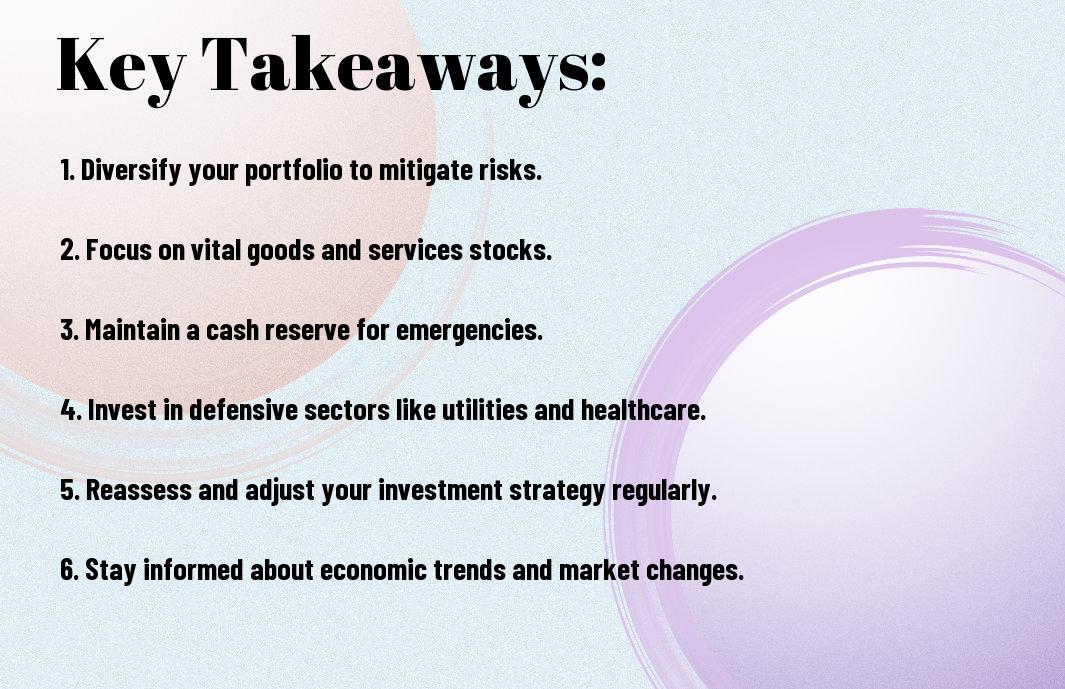
Key Takeaways:

  • Diversification is necessary: Spread your investments across different asset classes to minimize risk and reduce potential losses during economic downturns.
  • Focus on quality: Invest in companies with strong fundamentals, stable earnings, and a solid history of performance, making them more resilient during tough times.
  • Increase liquidity: Maintain a portion of your portfolio in cash or liquid assets to ensure you have the flexibility to seize opportunities when they arise.
Understanding Recessions

To effectively protect your investments during a recession, it is necessary to first understand what a recession entails. Recessions are periods of economic decline characterized by falling GDP, reduced consumer spending, and rising unemployment rates. These factors can significantly impact various sectors, influencing your investment strategy and decisions. Comprehending the dynamics of recessions can help you formulate a sound approach to safeguarding your financial assets.

Defining a Recession

Any economic downturn that lasts for two consecutive quarters, resulting in a contraction in economic activity, is classified as a recession. This phase typically sees demand for goods and services plummet, prompting businesses to scale back operations, cut jobs, and delay investments. Understanding this definition can aid you in assessing the overall economic climate and its implications for your portfolio.

Historical Impact on Investments

After the Great Depression, various recessions have shaped investment landscapes differently, often leading to significant market corrections. You may find that assets such as stocks and real estate often experience sharp declines during these times.

Impact analysis of past recessions reveals patterns and trends that can inform your investment strategies. Historically, equities tend to suffer losses, while some categories like bonds might perform better. Understanding these dynamics can help you navigate investment choices based on historical data. Moreover, many investors use a recession as an opportunity to buy undervalued assets when prices dip, creating potential for long-term gains once the economy rebounds. Knowing these insights can equip you to make more informed decisions for your financial future.

Assessing Your Current Investment Portfolio

Assuming you want to safeguard your financial future, it’s important to start by evaluating your current investment portfolio. Look at each asset’s performance, risk level, and how they might react in the event of an economic downturn. This article on 5 Ways to Bolster Your Finances in a Recession can provide additional insights into managing your finances during uncertain times.

Identifying Vulnerable Assets

Across your portfolio, certain assets may be more susceptible to economic shifts, such as those concentrated in cyclical industries or high-risk stocks. Identifying these vulnerable assets is necessary for making informed decisions to mitigate potential losses.

Diversification Strategies

Any good investor will tell you that diversification is key to managing risk. This means spreading your investments across different asset classes, sectors, and even geographical regions to reduce the impact of a downturn in any one area.

Diversification helps you build a more resilient portfolio. By allocating your resources into various investments—including stocks, bonds, real estate, and alternative assets—you can minimize exposure to any single economic event that may negatively affect your overall portfolio performance. Evaluating and adjusting your asset allocation in line with your risk tolerance and the potential economic outlook is a solid strategy for weathering recessions.

Defensive Investment Strategies

Many investors seek refuge during a recession by adopting defensive investment strategies. These approaches aim to minimize risk and protect your portfolio from market volatility. By focusing on stable assets and industries less sensitive to economic downturns, you can create a buffer against potential losses while still pursuing growth opportunities.

Safe Haven Assets

The appeal of safe haven assets lies in their ability to retain value during turbulent times. Gold, silver, and certain currencies are often seen as reliable options, providing a refuge for your capital when the stock market falters. By allocating a portion of your portfolio to these assets, you can safeguard against economic uncertainty.

Investing in Bonds

The bond market offers a stable alternative for your investments during a recession. Government and high-quality corporate bonds typically provide lower risk and consistent income, helping to balance your portfolio. As economic conditions fluctuate, bonds can deliver a reliable source of returns, often making them an attractive option for risk-averse investors.

It’s imperative to consider different types of bonds, such as U.S. Treasuries, municipal bonds, and investment-grade corporate bonds. Each carries varying levels of risk and potential returns, allowing you to tailor your investment strategy to fit your risk tolerance. Diversifying across different maturities and issuer types can also enhance your bond holdings’ stability, protecting your overall investment during uncertain economic times.

Sector Rotation During Recession

Your investment strategy should adapt to economic cycles, especially during a recession. One effective approach is sector rotation, which involves reallocating your portfolio to sectors expected to outperform during economic downturns. By identifying these sectors and adjusting your investments accordingly, you can mitigate losses and potentially capitalize on opportunities in a fluctuating market.

Industries that Perform Well

That during a recession, certain industries tend to remain resilient, such as consumer staples, healthcare, and utilities. These sectors provide necessary goods and services that maintain demand regardless of economic conditions, making them preferable options for your investment portfolio when uncertainty looms.

Adjusting Your Focus

Before making drastic changes to your portfolio, it’s necessary to analyze current market trends and assess which sectors may offer stability. By shifting your focus from high-risk investments to those historically deemed recession-proof, you can enhance your financial security during downturns.

This strategic adjustment allows you to navigate economic challenges effectively and maintain your investments’ value. Keeping an eye on market indicators can help you identify promising sectors and reallocate your resources. By concentrating on industries that provide critical services or products, you can bolster your portfolio against the impacts of recessionary pressures.

Utilizing Cash and Liquidity

Unlike other investments that may become illiquid during a recession, maintaining cash and liquidity provides you with the flexibility to navigate market uncertainty. Having readily accessible funds allows you to respond quickly to changing conditions, fulfilling immediate needs while positioning your investments for recovery when the market rebounds.

Importance of Cash Reserves

Below the surface, a strong cash reserve acts as your safety net during turbulent economic times. It empowers you to cover importants without resorting to selling investments at a loss, providing peace of mind while allowing you to wait for better market conditions.

Opportunities in Down Markets

To take advantage of market downturns, your cash reserves can be instrumental in acquiring undervalued assets. This strategy can significantly enhance your investment portfolio once the economy rebounds.

Cash serves as your opportunity fund in down markets. By strategically deploying your cash reserves during a recession, you can invest in undervalued stocks or properties that may have significant potential for growth once economic conditions improve. This approach not only helps diversify your portfolio but also positions you to capitalize on price recoveries, maximizing your long-term financial gains.

Seeking Professional Guidance

Despite the many resources available online, enlisting the help of a financial advisor can provide personalized strategies that align with your unique goals. Experts can assess your current portfolio and recommend adjustments to help safeguard your investments during a recession. They can also offer insights into market trends and identify opportunities that may suit your risk tolerance.

When to Consult an Advisor

Along your investment journey, it’s wise to consult an advisor when facing significant life changes, such as a job loss, retirement, or inheritance. These moments often prompt complicated financial decisions where professional guidance can help clarify your options. If you’re unsure about your investment strategy in a fluctuating market, reaching out for advice is a proactive step in securing your assets.

Questions to Ask

Around the time of your consultation, it’s important to prepare a list of questions that can help you gauge the advisor’s expertise and approach. Understanding their investment strategy, fee structure, and experience during economic downturns can provide clarity and foster a strong working relationship.

Seeking to make the most of your advisor meeting, inquire about their investment philosophy and track record in similar market conditions. Ask how they adapt strategies during economic uncertainty and what protective measures they recommend for your specific investments. It’s also necessary to discuss their fee structure to ensure transparency. Open dialogue will empower you to make informed decisions about your financial future.

Q: What steps can I take to safeguard my investments during a recession?

A: To protect your investments during a recession, consider diversifying your portfolio across different asset classes, such as stocks, bonds, and real estate. Focus on investing in companies with strong balance sheets and consistent cash flow, which are more likely to withstand economic downturns. Additionally, maintaining a cash reserve can provide liquidity for purchasing undervalued assets during market dips and help you navigate unexpected expenses.

Q: Should I change my investment strategy in anticipation of a recession?

A: It may be wise to reassess your investment strategy based on current economic conditions. Consider adopting a more defensive approach by investing in sectors known for stability during downturns, such as consumer staples, utilities, and healthcare. Evaluating your risk tolerance is vital; if you’re uncomfortable with high volatility, you might want to allocate more to fixed-income securities. However, it’s important not to make hasty decisions based purely on fear; maintaining a long-term perspective is key.

Q: How can I identify which investments are more resilient during a recession?

A: Look for companies with strong fundamentals, such as low debt levels, consistent profitability, and a robust competitive advantage. Stocks belonging to industries that typically perform well during economic downturns, like discount retailers and vital goods providers, can also offer safety. Evaluating historical performance during past recessions can provide insights into how specific investments may react in the current environment. Financial ratios, such as the price-to-earnings ratio and dividend yield, can help indicate the stability of investments as well.

The Basics of Day Trading for Beginners

Many aspiring investors are drawn to the fast-paced world of day trading, seeking to capitalize on short-term market fluctuations. This blog post will guide you through the vital principles of day trading, highlighting the strategies, tools, and knowledge you need to get started. By understanding key concepts and practical tips, you will be better equipped to navigate the complexities of the stock market and enhance your trading experience. Let’s investigate the foundational elements that can help shape your journey as a day trader.

Key Takeaways:

  • Market Knowledge: Understanding market trends and the behavior of various stocks is imperative for making informed trading decisions.
  • Risk Management: Implementing strategies like stop-loss orders can help mitigate potential losses and protect your capital.
  • Emotional Control: Staying disciplined and managing emotions during trades is vital to avoid impulsive decisions that can lead to losses.

Understanding Day Trading

Before you investigate day trading, it’s important to grasp its fundamentals. Day trading involves buying and selling financial instruments within the same trading day, aiming to capitalize on short-term market fluctuations. This fast-paced style of trading requires dedication, swift decision-making, and a solid strategy to achieve success in the competitive landscape of financial markets.

What is Day Trading?

Below is a definition of day trading: it’s a trading strategy where you purchase stocks, options, or other securities and sell them within the same day. The goal is to profit from the price movements that occur throughout the trading session. This approach is distinct from long-term investing, which focuses on holding assets for extended periods.

Key Characteristics of Day Traders

One significant aspect of day traders is their ability to respond quickly to market changes. They typically utilize various tools and platforms to analyze trends, execute trades, and manage risks effectively. Additionally, successful day traders often demonstrate discipline, strong emotional control, and a willingness to adapt to shifting market conditions.

What sets day traders apart is their level of engagement in the market. They often commit to monitoring their positions and surrounding news frequently throughout the trading day. With a thorough understanding of technical analysis, they can identify potential trades, while risk management strategies protect their capital. Successful day traders also demonstrate resilience, continually learning from their experiences to refine their tactics for the future.

Essential Tools for Day Trading

While entering into day trading, having the right tools at your disposal can significantly enhance your trading experience and outcome. You’ll need a reliable trading platform, access to real-time data, and effective analysis tools. These resources will not only improve your decision-making but also streamline your trading process.

Trading Platforms

Beside choosing the right broker, the trading platform you use plays a significant role in your success. Look for a platform that offers user-friendly features, low fees, and fast execution times. It should also provide excellent charting capabilities and access to a wide range of markets to trade effectively.

Technical Analysis Tools

On your journey to mastering day trading, technical analysis tools are indispensable. These tools help you interpret price trends and market patterns through indicators, charts, and various analysis techniques. By utilizing these resources, you can better forecast potential market movements and improve your trading strategies.

Due to the fast-paced nature of day trading, having access to advanced technical analysis tools is vital to your success. Tools such as moving averages, relative strength index (RSI), and Bollinger Bands can provide insights into how a stock or asset may perform. By analyzing historical price data, you will be better positioned to make informed trades based on statistical likelihood rather than emotion. Ensuring you have the latest software and tools at your disposal will greatly enhance your trading precision and overall effectiveness.

Developing a Day Trading Strategy

Not having a comprehensive strategy can significantly hinder your success in day trading. To navigate the complexities of the market effectively, you need to define your goals, risk tolerance, and the specific techniques you will employ. A well-structured strategy will provide you with the guidance to make informed decisions and maintain discipline throughout your trading journey.

Types of Day Trading Strategies

  • Scalping
  • Momentum trading
  • Reversal trading
  • Range trading
  • News trading

Knowing your preferred strategy will aid in identifying which market conditions suit you best.

Strategy Description
Scalping Quick trades aimed at small price changes.
Momentum trading Buying and selling based on trends and news.
Reversal trading Capitalizing on market reversals or corrections.
Range trading Exploiting price fluctuations within defined levels.
News trading Making trades based on news announcements.

Risk Management Techniques

Along with your strategy, implementing effective risk management techniques is vital for long-term profitability in day trading. Setting strict stop-loss orders, diversifying your investments, and only risking a small percentage of your capital on each trade are fundamental practices to minimize potential losses.

Strategy should include a comprehensive risk management plan tailored to your trading approach. By determining how much you are willing to risk per trade and setting stop-loss and take-profit levels, you can create a framework that protects your trading capital while allowing room for potential gains. Adopting this proactive stance helps to enhance your overall trading discipline and ensures you’re more resilient in the face of market fluctuations.

Market Analysis for Day Traders

Keep in mind that effective market analysis is necessary for successful day trading. You’ll need to understand price movements, market trends, and key indicators to make informed decisions. To get started, check out Day Trading: The Basics and How To Get Started for comprehensive insights.

Fundamental Analysis

About fundamental analysis, you focus on key economic indicators and financial metrics of the assets you trade. This involves evaluating earnings reports, news events, and economic data that can affect market direction. By understanding these factors, you can identify potential trading opportunities and make more informed decisions.

Technical Analysis

On the other hand, technical analysis involves evaluating price charts and technical indicators to forecast future price movements. This method relies on historical data to identify patterns and trends, enabling you to spot potential buy or sell signals.

Traders employ a variety of tools, including moving averages, support and resistance levels, and volume analysis, to interpret market behavior. By combining various technical indicators, you can enhance your ability to predict price movements and make informed trading decisions based on market psychology and trader sentiment.

Psychology of Day Trading

Many novice traders underestimate the importance of psychology in day trading. Your mental state can significantly influence your decision-making processes, often leading to impulsive actions driven by fear or greed. Understanding this aspect of trading is vital as it can help you maintain control and stick to your strategy, ultimately increasing your chances of success in the market.

Emotional Discipline

For successful day trading, you need to cultivate emotional discipline. This means recognizing your feelings during trading sessions and managing them effectively. By staying calm and composed, you can make informed decisions rather than allowing emotions to dictate your actions, ultimately contributing to a consistent trading approach.

Overcoming Common Psychological Pitfalls

Among the most common psychological pitfalls that traders face are fear of missing out (FOMO), overconfidence, and the tendency to revenge trade after losses. Each of these emotions can lead to poor trading decisions and significant losses, hindering your growth as a trader. Acknowledging these challenges is the first step to overcoming them.

Further, you can combat these psychological pitfalls by developing a solid trading plan and setting clear goals. By outlining your strategy and adhering to it, you create a structured environment where emotional responses are minimized. Additionally, taking regular breaks and reflecting on your trades can help maintain your emotional state, allowing for clear, logical decision-making; this ultimately forms a foundation for long-term success in your trading journey.

Regulatory Considerations

Now that you have a basic understanding of day trading, it’s important to address the regulatory landscape that affects your trading activities. Regulations are put in place to ensure fair practices and protect investors, and as a day trader, you must be aware of the rules that govern your trading actions and the potential consequences of non-compliance.

Understanding Day Trading Regulations

Before plunging into day trading, familiarize yourself with the specific regulations set by financial authorities, such as the Securities and Exchange Commission (SEC) and FINRA. These regulations outline the rules you need to follow, including minimum equity requirements and patterns of trading. Knowing these guidelines will help you avoid potential pitfalls in your trading journey.

Tax Implications for Day Traders

Implications of day trading extend beyond just financial gains or losses; they also include tax responsibilities that you must navigate. Depending on your trading frequency and the holding period of securities, your profits may be taxed differently, potentially qualifying you as a trader for tax purposes, impacting how you report your income.

This means understanding how your trading activity affects your taxes is imperative. Day traders may be subject to short-term capital gains taxes on their profits, which are generally taxed at a higher rate than long-term gains. You should also consider other factors such as losses, which can be used to offset gains in many cases. To best manage your tax responsibilities, consult a tax professional who is knowledgeable about trader tax situations, ensuring compliance and potentially optimizing your tax strategy.

To wrap up

Conclusively, day trading offers an exciting opportunity to engage with the financial markets, but it requires a solid understanding of strategies, risk management, and market analysis. As you initiate on your day trading journey, it is necessary to equip yourself with the right knowledge and develop a well-structured trading plan. Your success will depend on your ability to stay disciplined, continuously learn, and adapt your strategies based on market conditions. With dedication and practice, you can navigate the challenges of day trading and potentially achieve your financial goals.

FAQ

Q: What is day trading and how is it different from other trading strategies?

A: Day trading refers to the practice of buying and selling financial instruments within the same trading day. This means that all positions are closed before the market closes to avoid overnight risks. Unlike long-term investing, where assets may be held for months or years, day trading focuses on short-term price movements. It requires quick decision-making and a good understanding of market trends, making it distinct from investing strategies that rely on fundamental analysis over longer timeframes.

Q: What are the important tools and resources needed for day trading?

A: To get started with day trading, several tools and resources are important. First, a reliable trading platform that offers features like real-time data, advanced charting tools, and fast execution of trades is necessary. Second, access to financial news and market analysis can help inform trading decisions. Finally, many traders also use tools for technical analysis, including indicators like moving averages and volume analysis, to identify potential trading opportunities.

Q: What are the risks associated with day trading, and how can beginners manage them?

A: Day trading involves significant risks, including the potential for substantial financial losses due to rapid price fluctuations. New traders can manage these risks by implementing sound risk management strategies. This includes setting stop-loss orders to limit potential losses, diversifying their trading portfolio to spread risk, and only risking a small percentage of their trading capital on any single trade. Additionally, developing a well-defined trading plan can help beginners navigate the volatile nature of day trading more effectively.

How to Expand a Business Internationally

You may be considering taking your business to a global market, and understanding the steps to expand internationally is crucial for success. This guide will equip you with key strategies, insights into market research, legal considerations, and effective marketing tactics that will help you navigate the complexities of international expansion. By examining best practices and real-world examples, you’ll gain the tools necessary to make informed decisions that can elevate your business on a global scale.

Key Takeaways:

  • Market Research: Conduct thorough market analysis to identify demand, competition, and customer preferences in the target country.
  • Regulatory Compliance: Ensure adherence to local laws and regulations, including tariffs, import/export restrictions, and labor laws.
  • Localization Strategies: Adapt your products and marketing to fit cultural norms and consumer behavior in the new market.

Understanding International Markets

While expanding your business internationally, it’s important to grasp the dynamics of diverse markets. Each country presents unique economic, cultural, and regulatory environments. By cultivating an understanding of these differences, you can tailor your approach, ensuring greater resonance with local consumers and stakeholders. A thorough appreciation of international markets sets the groundwork for successful expansion and mitigates potential risks.

Market Research and Analysis

Above all, conducting detailed market research and analysis provides invaluable insights into the behavior and preferences of your target audience. By utilizing reputable data sources, surveys, and local market reports, you can identify trends, demand fluctuations, and competitive landscapes relevant to your products or services. This informs your strategic decisions and helps craft a sound market entry plan.

Identifying Target Markets

Understanding your ideal customer base plays a significant role in targeting the right markets. Market segmentation allows you to identify potential buyers based on demographics, interests, and purchasing behaviors, enabling a more focused approach to your marketing efforts.

Even in a global context, your ability to identify specific target markets can dramatically enhance your success rates. Analyze various factors, such as geographic location, economic stability, and consumer preferences, to pinpoint regions that align with your offerings. Tailoring your marketing messages and product features to suit the cultural nuances and local needs of these specific groups increases your potential for engagement and sales. This strategic focus not only maximizes your resources but also fosters stronger connections with customers across different markets.

Developing a Global Business Strategy

The development of a solid global business strategy is paramount for your success in international markets. You need to evaluate various factors, such as market potential, cultural differences, and competitive landscapes. By aligning your strategic goals with the unique conditions of each target market, you can effectively position your business for sustainable growth around the world.

Adapting Products and Services

Below, you will find that tailoring your products and services to meet the specific needs and preferences of international consumers is crucial. This may involve modifying existing offerings or developing new ones to resonate with diverse cultural values and market demands. Understanding these differences can help you gain a competitive edge and foster customer loyalty.

Choosing the Right Entry Strategy

Beside product adaptation, selecting the most suitable entry strategy can significantly impact your international expansion. Various options exist, such as exporting, franchising, joint ventures, or establishing wholly-owned subsidiaries. Your choice may depend on factors like market size, resource availability, and risk tolerance.

Understanding the nuances of different entry strategies allows you to align your approach with your specific objectives and capabilities. For instance, exporting may suit companies that prefer lower investment risks, while joint ventures could offer local expertise and shared resources, facilitating market penetration. Analyze potential barriers to entry and local regulations to choose a strategy that positions your business for long-term growth and profitability in your target market.

Navigating Legal and Regulatory Challenges

Unlike domestic markets, expanding internationally brings complex legal and regulatory challenges that can impact your business operations. Understanding these challenges is important to ensure compliance and mitigate risks. You need to navigate different laws and regulations regarding labor, trade, taxation, and intellectual property in each new market you enter. Developing a comprehensive strategy to address these issues will protect your business and facilitate smoother international expansion.

Compliance with International Laws

International businesses must adhere to a diverse range of laws and regulations that may differ significantly from those in your home country. It is important to understand the legal framework in each target market, including national and local laws, as well as international treaties. Non-compliance can lead to significant penalties and jeopardize your business reputation, so thorough research and consultation with legal experts in the relevant jurisdictions are recommended.

Managing Trade Regulations

To successfully expand your business, you must navigate various trade regulations that can affect how you import or export goods. This involves being aware of tariffs, quotas, and trade agreements that govern international commerce. Staying informed about trade policies is vital, as they can change rapidly and impact your bottom line.

Consequently, developing a proactive approach to managing trade regulations can save you time and resources. Establishing relationships with customs brokers and trade advisors will ensure you remain compliant with all necessary requirements. Additionally, keeping abreast of any changes in trade agreements and potential tariffs can help you adapt your business strategies to minimize disruptions in your international operations.

Building an International Supply Chain

Keep in mind that establishing a robust international supply chain is important for your business’s success. This involves carefully selecting suppliers, managing logistics, and ensuring that your products can reach global markets efficiently. A well-organized supply chain not only enhances product availability but also reduces costs and improves overall customer satisfaction, making it a key component of your international expansion strategy.

Sourcing and Logistics

By identifying reliable suppliers and efficiently managing logistics operations, you can streamline your international supply chain. Start by conducting thorough research to find suppliers who align with your business’s standards and values. Utilize technology to monitor shipping routes and inventory levels, which will enable you to respond quickly to changes in demand and minimize delays.

Establishing Reliable Partnerships

Supply relationships are vital for maintaining the integrity and reliability of your international supply chain. Establishing partnerships with local distributors and suppliers in new markets can improve your ability to meet customer needs effectively. Focus on transparency and clear communication, ensuring that all parties understand expectations and responsibilities to foster trust and cooperation.

Plus, investing time in nurturing these relationships can lead to long-term benefits. Take the opportunity to engage with partners regularly, seeking feedback and collaborating on innovations to enhance efficiency. Understanding the local market’s nuances through these partnerships can also help you navigate regulatory concerns, cultural differences, and logistical challenges more smoothly, further solidifying your international presence.

Marketing to a Global Audience

For businesses looking to expand internationally, understanding the nuances of global marketing is vital. You must consider cultural differences, local preferences, and language barriers that can influence customer behavior. Tailoring your marketing efforts to resonate with diverse markets will enable you to effectively communicate your brand’s value and foster loyalty among international customers.

Tailoring Marketing Strategies

Between understanding local culture and adapting your message, tailoring your marketing strategies is vital for success in different regions. Your campaigns must reflect and respect the values and preferences of each market, enhancing relatability and engagement. Conducting thorough market research can provide insights into what resonates best within your target demographics.

Utilizing Digital Marketing Tools

Behind the scenes of successful international marketing lies the power of digital tools that help you connect with your global audience more effectively. These platforms can facilitate targeted advertising, social media engagement, and search engine optimization tailored to different countries.

Marketing through digital tools such as social media platforms, email campaigns, and SEO strategies will help you reach a wider audience while allowing for customization to various preferences. Leveraging analytics can help you track and measure your campaigns’ effectiveness across different markets, enabling you to optimize your strategies in real-time. By utilizing these tools, you can enhance your brand’s visibility and foster deeper connections with customers around the world.

Managing Cultural Differences

After deciding to expand your business internationally, you will encounter a variety of cultural differences that may impact your operations. Understanding these differences is necessary for building strong relationships with local partners, employees, and customers. By embracing these distinct cultures, you can foster a workplace environment that promotes inclusivity and respect while enhancing your global business strategy.

Effective Cross-Cultural Communication

Across various cultures, communication styles can differ significantly. It’s important to be aware of these nuances, as they can affect your interactions with international teams and clients. Adapting your communication techniques to respect local norms will not only build rapport but also prevent misunderstandings that could damage relationships.

Adapting to Local Business Practices

Along with communication, you must familiarize yourself with local business practices to ensure seamless integration into the new market. Adapting your approach to align with the local corporate culture will demonstrate your commitment and respect for the region, paving the way for successful partnerships.

Practices vary widely across cultures, influencing negotiation styles, decision-making processes, and even timelines for completing tasks. Being flexible and willing to adjust your strategies can lead to improved collaboration and greater success in your international ventures. For instance, while some cultures may prioritize relationship-building before exploring into business discussions, others might focus on efficiency and directness. Understanding these dynamics will enhance your ability to navigate the complexities of the global marketplace.

Conclusion

Ultimately, to successfully expand your business internationally, you should conduct thorough market research, adapt your offerings to local preferences, and build strong partnerships in new markets. Your strategies should be flexible to accommodate different cultures and regulations. To deepen your understanding, explore resources like How to Succeed in International Business: A Strategic …. By following these steps, you can increase your chances of achieving sustainable global growth.

FAQ

Q: What are the first steps to consider when expanding a business internationally?

A: Expanding a business internationally involves thorough research and strategic planning. First, conduct market research to identify potential countries that align with your business goals. Analyze factors such as market demand, competition, cultural nuances, and economic stability. Next, assess your business’s readiness for international expansion by evaluating resources, processes, and product/service adaptability. It’s advisable to consult with local experts or international trade organizations to understand regulatory requirements and potential barriers in your target market.

Q: How can I effectively enter a foreign market?

A: There are several strategies for entering a foreign market, each with its own benefits and risks. Options include exporting products directly, partnering with local businesses through joint ventures, or establishing a new subsidiary. Licensing and franchising are also common methods, allowing local entities to use your brand or products while you retain control over quality. Whichever method you choose, ensure it aligns with your overall strategy and consider piloting your approach on a smaller scale to test the waters before a full-scale launch.

Q: What legal considerations should I be aware of when expanding internationally?

A: When expanding internationally, becoming familiar with the legal landscape of the target country is vital. This includes understanding local laws regarding business incorporation, taxes, employment, and intellectual property protection. Data privacy regulations like GDPR in Europe can also have significant implications for operations. It’s advisable to work with legal experts familiar with international business regulations to ensure compliance, which can save your business from potential fines, delays, or operational disruptions in the future.

The Role of Supply and Demand in Investment Decisions

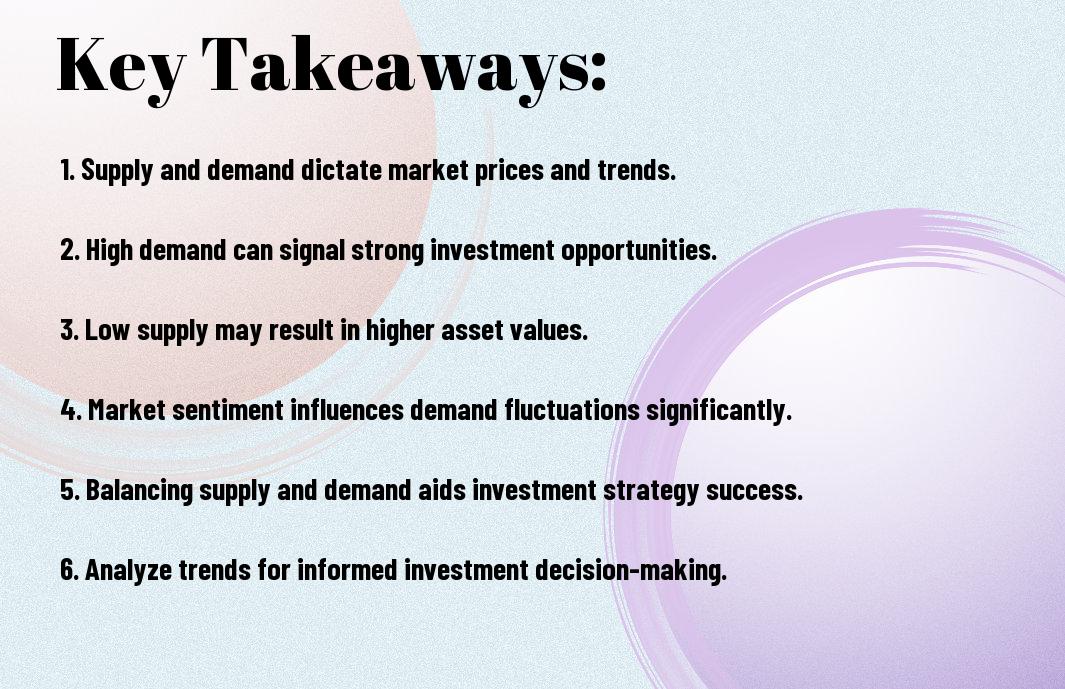
Supply and demand are fundamental concepts that significantly influence your investment decisions. Understanding how these forces interact can enhance your ability to assess market trends, pricing, and potential opportunities. When you grasp the principles of supply and demand, you can make more informed choices, optimizing your portfolio’s performance. This post will research into the impact of these economic principles on your investment strategies, helping you navigate the complexities of the financial markets effectively.

Key Takeaways:

  • Market Dynamics: Supply and demand directly influence the pricing of assets, impacting investment opportunities and strategies.
  • Investor Behavior: Understanding the balance between supply and demand can help investors anticipate market trends and make informed decisions.
  • Risk Assessment: Evaluating supply and demand conditions aids in assessing the potential risks associated with investments, leading to better risk management.

Understanding Supply and Demand

Your investment decisions can significantly benefit from a solid understanding of supply and demand dynamics. These economic principles are necessary in shaping market behavior and pricing strategies, helping you to make informed choices about when and how to invest.

Definition of Supply and Demand

Demand refers to the quantity of a product or asset that buyers are willing and able to purchase at various price levels. Conversely, supply is the amount that sellers are prepared to offer in the market. Together, these concepts illustrate the interaction that defines market dynamics.

The Relationship Between Supply and Demand

Before making investment decisions, it’s vital to grasp how supply and demand affect asset value. When demand outstrips supply, prices tend to rise, signaling an opportunity for profit. Conversely, an oversupply with weak demand can lead to lower prices, potentially resulting in losses.

This interplay creates various market scenarios that influence your investment outcomes. For instance, understanding how trends in consumer preferences can shift demand helps you identify emerging investment opportunities. Additionally, recognizing the implications of changes in supply—like regulatory impacts or technological advancements—can help you anticipate price movements and adjust your strategy accordingly.

The Supply and Demand Framework in Investments

Clearly, understanding the supply and demand framework is crucial for making informed investment decisions. This model helps you assess how the availability of assets (supply) and the desire to own them (demand) interact, ultimately influencing asset prices and market dynamics. By analyzing these factors, you can better identify opportunities and risks in your investment journey.

Market Equilibrium

Supply and demand reach market equilibrium when the quantity of an asset that producers are willing to sell matches the quantity that consumers are willing to buy. At this point, the market price stabilizes, leading to optimal resource allocation. For you, this equilibrium can signal when an asset is fairly valued or over/underpriced, guiding your investment choices.

Shifts in Supply and Demand

After identifying market equilibrium, it’s vital to consider how shifts in supply and demand can impact your investments. Various factors, such as economic changes, technological advancements, or regulatory updates, can cause these shifts, altering the equilibrium price.

Market shifts alert you to trends that could greatly affect asset values. For instance, an increase in demand due to emerging technologies could raise prices, while an oversupply of a resource might depress them. By monitoring these shifts, you can adjust your investment strategy to capitalize on opportunities or sidestep potential losses, ensuring your decisions remain aligned with current market conditions.

Factors Influencing Supply and Demand

All investment decisions are shaped by various factors that directly affect supply and demand. These factors can include:

  • Market trends
  • Consumer preferences
  • Economic policies
  • Technological advancements
  • Global events

Perceiving these influences can help you better navigate market dynamics. For a deeper understanding, you may explore Supply and Demand: Why Markets Tick.

Economic Indicators

After examining various aspects of the market, you should consider economic indicators which reflect the overall economic health. These include employment rates, inflation, and GDP growth rates. Your investment choices can be significantly swayed by these indicators, as they signal the potential demand and supply for assets.

Market Sentiment

Before making investment decisions, it’s vital to understand market sentiment. This refers to the overall attitude of investors toward a particular security or financial market. Your perception of market sentiment can guide you in predicting price movements and trends.

In fact, market sentiment can be fueled by news, social media, and economic reports, influencing how you and other investors react to market changes. Positive sentiment may drive prices up, while negative sentiment tends to push them down. Understanding sentiment will enable you to make more informed investments.

Case Studies: Supply and Demand in Action

Keep your investment decisions informed by examining prominent case studies that illustrate supply and demand dynamics. Here are some notable examples:

  • 2008 Financial Crisis: Housing supply exceeded demand, leading to a market crash with home prices falling by 30% on average.
  • Tech Stocks Surge (2020-2021): Increased demand for technology during the pandemic resulted in companies like Zoom experiencing a 400% stock price increase.
  • Oil Prices in 2022: Supply chain disruptions led to a decrease in oil supply, causing prices to soar by 60% within six months.
  • Cryptocurrency Boom: In 2021, a surge in demand for Bitcoin pushed its price from $30,000 to nearly $70,000 in just six months.

Real Estate Market

To navigate the real estate market effectively, you’re wise to consider how supply and demand impact property values. In 2021, demand for homes surged as remote work became the norm, while supply struggled to keep pace, leading to an average price increase of 15% nationwide. Understanding these trends can empower your investment choices.

Stock Market Trends

Supply and demand significantly dictate stock market trends, shaping your investment landscape. A rising demand for stocks of technology companies often drives their prices higher, reflecting your perception of their future performance and innovative potential.

Real demand from investors for equities, particularly in innovative sectors, can lead to remarkable price increases. For instance, when the COVID-19 pandemic shifted consumer habits toward digital solutions, you saw companies like Shopify and Amazon experience market caps soar, illustrating a direct connection between increased demand and stock prices. By staying attuned to these trends, you can make data-driven investment decisions that align with market dynamics.

Behavioral Economics and Investment Decisions

Now, behavioral economics plays a significant role in understanding how you make investment decisions. This field explores the psychological, emotional, and social factors that influence your choices, often leading you to behave in ways that deviate from traditional economic theory. Recognizing these influences can help you navigate the complex landscape of investment and improve your decision-making process.

Investor Psychology

The interplay of your thoughts, feelings, and actions profoundly affects your investment success. Understanding investor psychology allows you to identify patterns in your behavior that may lead to irrational decisions or missed opportunities, ultimately enabling you to make more informed and strategic choices.

Emotional Biases

With emotional biases, your feelings can heavily influence your investment decisions, often clouding judgment. These biases may stem from fear of loss, overconfidence, or herd mentality, leading to mistakes that could otherwise be avoided. Recognizing and managing these biases is necessary for successful investing.

Emotional biases can manifest in various ways, affecting how you perceive risk and opportunity. For instance, loss aversion may cause you to hold onto losing investments too long, while overconfidence might lead you to underestimate potential losses. By acknowledging these influences, you can develop strategies to mitigate their impact, such as implementing a clear investment plan, setting emotional boundaries, and seeking external perspectives to enhance your decision-making process.

Future Trends in Supply and Demand

Despite the unpredictability of markets, future trends in supply and demand will heavily influence your investment strategies. Understanding how macroeconomic factors, societal changes, and technological advancements shape these dynamics is necessary for making informed decisions. You must stay attuned to emerging trends that could signal shifts in consumer preferences and resource availability, enabling you to navigate future investment landscapes effectively.

Technological Innovations

Demand for new technologies is shaping your investment landscape, as innovations lead to increased efficiency and novel products. As businesses adopt cutting-edge solutions, industries transform, creating new markets and opportunities. You should keep an eye on sectors benefitting from advancements in artificial intelligence, renewable energy, and biotechnology, as these areas are likely to drive both supply and demand in the near future.

Global Economic Changes

Technological advancements interact with global economic shifts, impacting supply chains and market dynamics. As economies evolve, you will notice changes in labor markets, production capabilities, and consumer behavior that can significantly affect investment decisions.

In fact, fluctuations in trade policies, economic growth, and geopolitical factors can create both risks and opportunities for your portfolio. Staying informed about these transformations allows you to adjust your strategies in real-time and align your investments with emerging global trends. By monitoring these changes, you position yourself to capitalize on new market opportunities while effectively managing potential risks. Understanding the interconnectedness of global economies ensures that you make more informed and strategic investment choices.

Summing up

Taking this into account, understanding supply and demand is crucial for guiding your investment decisions. When you analyze market trends and consumer behavior, you can better anticipate price movements and identify potential opportunities. By staying informed about these economic principles, you can enhance your investment strategies, mitigate risks, and align your portfolio with market dynamics, ultimately leading to more informed and successful investment choices.

Q: How do supply and demand influence stock prices in the investment market?

A: The interaction of supply and demand plays a significant role in determining stock prices. When demand for a stock exceeds its supply, the price typically rises as investors are willing to pay more to acquire shares. Conversely, if the supply of a stock increases and demand does not match it, the price will usually fall as sellers lower their prices to attract buyers. Investors need to assess these dynamics to make informed decisions about buying or selling stocks based on market trends and investor sentiment.

Q: In what ways can understanding supply and demand help investors predict market trends?

A: By analyzing trends in supply and demand, investors can gain insights into market movements and potential future price changes. For instance, if there is a consistent uptick in demand for a particular sector or asset, it may indicate bullish market sentiment, prompting investors to consider entering the market. In contrast, a surplus of supply could suggest a bearish outlook, signaling a need to reassess investments or consider exiting positions. Awareness of these patterns can lead to strategic decision-making that aligns with market conditions.

Q: How do external factors affect supply and demand in the context of investments?

A: External factors such as economic indicators, government policies, and geopolitical events can significantly impact the supply and demand of various assets. For example, changes in interest rates can affect borrowing costs and consumer spending, thus altering demand for stocks. Similarly, new regulations may influence the supply side by affecting how businesses operate or how assets are traded. Investors should stay informed about these external influences to better understand how they can shift supply and demand, allowing for more accurate investment decisions.

How to Prepare for an IPO – A Guide for Business Owners

There’s a significant journey ahead as you consider taking your company public through an Initial Public Offering (IPO). This guide is designed to equip you with imperative strategies and insights that will help you successfully navigate the complexities of this pivotal transition. From assessing your financial health to understanding regulatory requirements, each step is vital for positioning your business for success in the public market. By following the advice provided, you can ensure that your company is well-prepared to attract investors and thrive as a publicly traded entity.

Key Takeaways:

  • Financial Readiness: Ensure that your financial statements are audited and reflect a strong growth trajectory, as this will build investor confidence.
  • Regulatory Compliance: Familiarize yourself with the regulatory requirements of going public, including disclosures and filings, to streamline the process.
  • Strategic Planning: Develop a clear business strategy and roadmap to communicate your company’s vision and potential to investors effectively.

Understanding the IPO Process

The initial public offering (IPO) process is a complex route that allows your business to transition from private to public ownership. It involves a series of steps, including preparing your company for scrutiny, marketing your shares, and officially listing them on a stock exchange. Navigating this process successfully can significantly enhance your company’s growth potential and investor appeal.

What is an IPO?

Among the various ways to raise capital, an initial public offering (IPO) signifies the first time a company offers its shares to the public. By doing so, you connect with a broader pool of investors, which can lead to increased capital and visibility for your business. An IPO can fundamentally change the landscape of how your company operates and interacts with the market.

Benefits of Going Public

Above all, going public can provide your business with access to substantial capital, enabling you to fund growth initiatives and pay down debt. Additionally, an IPO enhances your company’s visibility and credibility in the market, which can attract new customers and talented employees. Publicly traded companies often enjoy a greater level of financial stability and can leverage their stock as currency for acquisitions.

In addition, becoming a public company can excite your stakeholders, offering them liquidity and potentially higher returns on their investments. You may also benefit from improved marketing exposure, leading to increased brand recognition. Furthermore, the valuation of your company can increase significantly as shareholders invest based on your market position, ultimately allowing you to execute your long-term vision more effectively.

Preparing Your Business for IPO

Some businesses may overlook the importance of preparation when it comes to an IPO. It’s important to take a proactive approach to ensure your company meets regulatory requirements and is attractive to potential investors. Addressing operational efficiency, enhancing market presence, and assessing financial health will set the foundation for a successful public offering. Consider engaging with experienced advisors who can offer tailored guidance throughout this transformative process.

Financial Audit and Compliance

Among the first steps in preparing for an IPO is conducting a thorough financial audit. This process ensures that your financial statements are accurate and comply with the applicable accounting standards. Engaging a reputable auditing firm can provide you with an objective assessment of your company’s financial health, helping to identify any discrepancies or areas for improvement. This transparency is vital for instilling confidence among potential investors.

Strengthening Corporate Governance

Financial governance is a cornerstone of a successful IPO strategy. You will want to review your corporate governance structures to ensure they align with best practices and regulatory expectations. This includes establishing an independent board of directors, implementing effective compliance policies, and maintaining transparent communication with stakeholders. Strong governance not only enhances credibility but also reduces risks associated with public scrutiny.

In addition to reviewing governance structures, it’s important to develop a robust framework for risk management and internal controls. By formalizing policies and procedures, you ensure that your company can effectively respond to challenges and align with shareholder interests. Improving accountability and transparency will boost investor confidence, paving the way for a smoother IPO process. Make it a priority to foster a culture where governance is valued at every level of your organization.

Building the Right Team

Despite the complexities involved in preparing for an IPO, having the right team can significantly streamline the process. You will need individuals with diverse skills and expertise to navigate the various challenges that come your way. Focus on assembling a team that understands your vision and can effectively communicate it to investors, regulators, and the market. Your team’s composition will play an imperative role in your company’s success during this transition.

Selecting Underwriters

Team selection is pivotal when it comes to choosing underwriters for your IPO. You should look for firms with a strong track record in your industry and insight into the market. An experienced underwriter not only helps determine the right offer price but also connects you with potential investors who can drive demand for your shares.

Assembling a Strong Advisory Board

Along the journey to going public, an effective advisory board can provide you with invaluable insights and guidance. You should seek individuals who bring a wealth of experience in finance, operations, and industry knowledge. Their diverse perspectives will help you address the various challenges and strategic decisions that arise during an IPO.

Another benefit of having a robust advisory board is their ability to enhance your credibility with investors and the public. These seasoned professionals can lend their names and reputations to your company, which can be instrumental when building relationships with analysts and institutional investors. Their collective expertise can guide you through market fluctuations, regulatory hurdles, and investor concerns, ultimately positioning your company for a successful IPO.

Creating an Effective Business Plan

Many business owners underestimate the importance of a solid business plan in the IPO preparation process. A comprehensive business plan outlines your vision, mission, and operational strategies while addressing market dynamics and competitive advantages. This document not only guides your internal decision-making but also serves as a vital communication tool for potential investors, assuring them that you have a clear roadmap for success.

Defining Your Business Model

Among the key components of your business plan, defining your business model is fundamental. This involves clearly articulating how your company creates, delivers, and captures value in the marketplace. A well-defined business model showcases your revenue streams, customer segments, and competitive advantages, making it necessary for conveying your business’s sustainability and growth potential to investors.

Developing a Growth Strategy

With a clear understanding of your business model, the next step is to develop a robust growth strategy. This strategy should outline your plans for scaling your operations, expanding your market presence, and increasing profitability over time.

Another important aspect of developing your growth strategy is identifying key performance indicators (KPIs) that will help you measure success. Focus on areas such as market penetration, product expansion, and customer retention initiatives. By articulating these growth plans in your business plan, you demonstrate to potential investors that you not only understand the current landscape but also have a vision for future opportunities, thereby enhancing the appeal of your company as an investment.

Marketing Your IPO

All aspects of marketing your IPO play a pivotal role in its success. Your approach to generating interest will influence potential investment, so strategically navigating this phase is important. Crafting your messaging, materials, and public relations efforts effectively will help you attract the right investors and achieve a successful launch.

Crafting the Investment Narrative

Between your company’s vision, growth potential, and market position, it’s vital to construct a compelling investment narrative. This narrative should clearly communicate what sets your business apart and why now is the perfect time for investors to get on board. Focus on storytelling to resonate with your audience and foster a connection.

Engaging with Investors

For successful investor engagement, you need to establish clear communication channels and actively seek feedback. Building relationships with potential investors is key, as it allows you to understand their interests and concerns while also showcasing your commitment to transparency and trust.

To effectively engage with investors, plan roadshows and presentations that highlight your growth strategy and answer any questions they may have. Utilize social media, webinars, and direct outreach to facilitate open dialogue. Engaging early and often will not only increase interest in your IPO but also build a network of supportive investors who believe in your company’s vision.

Regulatory Considerations

Not understanding the regulatory landscape can result in delays and complications during your IPO process. As a business owner, you need to navigate various rules and regulations set forth by organizations like the Securities and Exchange Commission (SEC). Being well-informed about these regulatory requirements ensures your company is compliant and avoids potential pitfalls that could derail your public offering.

Understanding SEC Requirements

An imperative part of preparing for your IPO is to familiarize yourself with SEC regulations. The SEC oversees the securities industry and requires transparency in financial reporting and corporate governance. By comprehensively understanding these requirements, you can position your company appropriately, easing the approval process and assuring investors of your commitment to compliance.

Preparing the S-1 Filing

Behind the scenes of your IPO preparation is the S-1 filing, a critical document that provides detailed information about your business to potential investors. This document must clearly outline your company’s financials, operations, and risks to give investors a complete view of your business. Properly preparing the S-1 can elevate investor confidence and make a significant impact on your IPO success.

And taking the time to meticulously prepare your S-1 filing is imperative for your IPO journey. This process involves gathering comprehensive financial data, crafting a compelling narrative about your company, and ensuring compliance with all SEC guidelines. Engaging legal and financial advisors can significantly help in addressing complex requirements and improving the overall quality of your filing, ultimately enhancing your opportunity for success in the public market.

Final Words

From above, it is clear that preparing for an IPO requires a strategic approach and meticulous planning. By thoroughly assessing your company’s financials, engaging with legal and financial advisors, and developing a robust investor relations strategy, you can successfully navigate this complex process. Emphasize transparency and consistent communication with stakeholders to build confidence in your company’s future. As you launch on this journey, take the time to understand each step, ensuring your organization is well-prepared for the exciting opportunities and challenges that come with going public.

Q: What are the initial steps a business owner should take when preparing for an IPO?

A: The initial steps involve assessing your company’s readiness for going public. This includes evaluating your financial health, ensuring that your accounting practices comply with Generally Accepted Accounting Principles (GAAP), and preparing for enhanced scrutiny from potential investors and regulators. You should also engage with key financial advisors, including investment bankers, attorneys, and accountants who specialize in IPOs, to help guide you through the process. Additionally, creating a comprehensive business plan that outlines your growth strategy, market position, and potential risks is beneficial.

Q: How important is it to have a strong management team in place before going public?

A: Having a strong management team is crucial before pursuing an IPO. Investors typically look for leadership with a proven track record of success and the ability to drive the company’s growth. It’s important to showcase the strengths of your management team, along with their industry experience and accomplishments. Building a skilled board of directors can also enhance credibility and provide governance support. This leadership structure is vital to inspire investor confidence during the IPO process.

Q: What ongoing obligations should a company be prepared for after going public?

A: After going public, a company must be prepared for a range of ongoing obligations, including financial reporting requirements, regulatory compliance, and maintaining transparency with shareholders. This involves filing quarterly and annual reports with the Securities and Exchange Commission (SEC), adhering to the Sarbanes-Oxley Act, and managing shareholder communications effectively. Additionally, companies must also establish robust internal controls and governance practices to ensure adherence to these regulations and maintain investor trust.

Skip to content