The Basics of REITs for Real Estate Investors

With the right knowledge, you can leverage Real Estate Investment Trusts (REITs) to enhance your investment portfolio. This blog post aims to guide you through the fundamental aspects of REITs, including how they operate, the various types available, and the benefits they offer to real estate investors like yourself. By understanding these basics, you can make informed decisions that align with your financial goals and investment strategies.

Key Takeaways:

  • Definition of REITs: Real Estate Investment Trusts (REITs) are companies that own, operate, or finance income-producing real estate, allowing investors to invest in real estate without directly owning properties.
  • Types of REITs: There are different types of REITs, including equity REITs, which own and operate properties, and mortgage REITs, which provide financing for income-producing real estate.
  • Investment Benefits: Investing in REITs provides diversification, liquidity, and potential for income through dividends, making them an attractive option for many real estate investors.

Understanding REITs

Before submerging into the world of Real Estate Investment Trusts (REITs), it’s imperative to familiarize yourself with their fundamental concepts and benefits. Understanding REITs will help you navigate your investment options effectively and refine your strategy in real estate investing.

What is a REIT?

REIT stands for Real Estate Investment Trust, a company that owns, operates, or finances income-producing real estate across a range of property sectors. By pooling funds from multiple investors, REITs provide a way for you to invest in large-scale commercial properties without directly buying or managing the assets.

Types of REITs

Regarding investing in REITs, there are several types to consider. Each type has unique characteristics and investment strategies:

  • Equity REITs
  • Mortgage REITs
  • Hybrid REITs
  • Publicly traded REITs
  • Private REITs

Knowing the type of REIT that aligns with your investment goals can significantly influence your portfolio’s performance.

Type of REIT Description
Equity REITs Invest directly in properties and earn income through rents.
Mortgage REITs Provide financing for income-producing real estate by purchasing or originating mortgages.
Hybrid REITs Combine investment strategies of both equity and mortgage REITs.
Publicly traded REITs Listed on a stock exchange, allowing for liquidity and ease of trading.
Private REITs Not listed on stock exchanges, typically available only to qualified investors.

In fact, each type of REIT serves a different purpose and can fit various investment strategies. Understanding their differences can help you make informed decisions:

  • Focus on income vs. growth
  • Risk tolerance
  • Investment horizon
  • Market conditions
  • Sector preferences

Knowing which REITs best suit your investment profile will enhance your real estate investing experience.

Benefits of Investing in REITs

While investing in REITs offers numerous advantages, some of the most appealing benefits include access to diversified real estate portfolios, potential for consistent income, and lower entry costs compared to direct property investment. By adding REITs to your investment strategy, you can enjoy exposure to the real estate market without the complexities involved in owning physical properties.

Diversification

On your investment journey, diversification is key to mitigating risk. Investing in REITs allows you to spread your capital across various real estate sectors, such as residential, commercial, and industrial properties, which can help reduce the impact of market volatility on your overall portfolio.

Passive Income

Above all, one of the major draws of investing in REITs is the potential for generating passive income. By owning shares in a REIT, you can benefit from regular dividend payouts, often more frequent than traditional investments, which can supplement your income and contribute to your financial goals.

Also, REITs are required by law to distribute at least 90% of their taxable income to shareholders in the form of dividends. This structure not only increases the likelihood of receiving steady income but allows you to participate in the performance of income-generating properties without the need for active management. As a result, you can enjoy the benefits of real estate investment while maintaining your primary focus on other pursuits.

Risks Associated with REIT Investments

For any investor considering REITs, it’s important to understand that these investments come with risks that can impact your returns. These risks can vary based on market conditions, property types, and economic factors. By being aware of these potential pitfalls, you can make more informed decisions and better manage your investment portfolio.

Market Risk

An inherent risk in REIT investments is market risk, which refers to the fluctuations in stock prices driven by broader economic trends. The value of your REIT shares can decline regardless of the performance of the underlying properties due to changes in investor sentiment, market conditions, or overall economic stability.

Interest Rate Risk

Against this backdrop, interest rate risk looms large. Rising interest rates can lead to higher borrowing costs for REITs, which can squeeze profit margins and ultimately affect your returns. Additionally, as rates rise, investors may shift their focus to fixed-income securities, leading to declining REIT share prices.

This interest rate risk is particularly relevant when considering that many REITs rely on debt to finance their acquisitions. Higher rates can mean increased costs on existing debt and can deter new investments due to the greater expense. If you’re investing in REITs, watching economic indicators for interest rate changes can help you anticipate shifts in your investment’s performance.

How to Invest in REITs

Not all investors are aware of how to invest in Real Estate Investment Trusts (REITs). To start, you can consider researching Real Estate Investment Trusts (REITs) to find the right options that suit your investment goals. Various types of REITs are available, each with unique features and investment structures.

Publicly Traded REITs

One of the most accessible ways to invest in REITs is through publicly traded options, which you can buy and sell on major stock exchanges like any other stock. This liquidity allows for easy entry and exit, making it a versatile choice for investors looking to participate in real estate without owning properties directly.

Private and Non-Traded REITs

At the other end of the spectrum, private and non-traded REITs offer an alternative path for investors seeking different advantages. These REITs are not available on public exchanges, which means they typically have fewer regulatory requirements and can offer unique investment opportunities.

Plus, investing in private and non-traded REITs often comes with specific characteristics, such as higher fees and longer lock-in periods. They may appeal to you if you’re looking for potential higher yields or diversification within your investment portfolio, but it’s crucial to conduct comprehensive due diligence before committing your funds.

Tax Implications of REIT Investments

Once again, understanding the tax implications of REIT investments is crucial for optimizing your investment strategy. REITs can offer unique tax advantages, but they also come with specific requirements and obligations that can impact your overall tax situation. Familiarizing yourself with these nuances will help you make informed decisions, potentially enhancing your returns.

Tax Treatment of REITs

At the core of REITs’ tax treatment is the requirement that these entities distribute at least 90% of their taxable income to shareholders in the form of dividends. This structure allows REITs to avoid federal income tax at the corporate level, but it also means that you receive dividends that may be taxed as ordinary income.

Impact on Investors

Against the backdrop of dividend taxation, it’s crucial to understand how REIT investments can influence your overall tax situation. While you may benefit from regular income through dividends, the tax treatment can vary based on your marginal tax rate and the classification of those dividends.

Another aspect you should consider is the potential for qualified dividend status, which could reduce your tax burden. If the dividends you receive are classified as qualified dividends, they may be taxed at a lower capital gains rate. Additionally, tax deductions related to depreciation and mortgage interest can further enhance the investment’s attractiveness. It’s wise to consult with a tax professional to navigate these complexities and ensure that your REIT investments are aligned with your broader financial objectives.

Strategies for Successful REIT Investment

Unlike traditional real estate investing, successful REIT investment requires strategic planning and market awareness. You should analyze various sectors, consider the time frame for your investments, and consistently monitor market trends. Diversification can also enhance your portfolio, allowing you to mitigate risks and take advantage of different market conditions. By understanding these strategies, you can position yourself for a more rewarding investment experience in REITs.

Long-Term vs. Short-Term

Around your investment goals, you need to decide whether to adopt a long-term or short-term strategy. Long-term investing in REITs often benefits from compound growth and dividends, while short-term strategies can capitalize on market fluctuations and trends. Your risk tolerance will also play a significant role in this decision, influencing how you approach your investment timeline.

Sector Considerations

Before selecting specific REITs, it’s crucial to evaluate the sectors in which they operate. Each sector, such as residential, commercial, industrial, or healthcare, has its own unique challenges and opportunities.

And, understanding these sector dynamics can help you make more informed decisions. For instance, some sectors may thrive during economic growth, while others may provide stability during downturns. You should consider factors like market demand, geographic location, and demographic trends when analyzing different REIT sectors. Tailoring your investments to align with sectors poised for growth can enhance your overall returns and reduce risks.

To wrap up

The basics of REITs provide you with a valuable investment avenue in real estate without the complexities of direct property ownership. By understanding how REITs operate, their benefits, and their potential risks, you can confidently incorporate them into your investment portfolio. As you explore this sector, keep in mind the importance of thorough research and aligning your investment choices with your financial goals to maximize your returns.

Q: What is a REIT and how does it function?

A: A Real Estate Investment Trust (REIT) is a company that owns, operates, or finances income-producing real estate across various sectors. It provides investors an opportunity to invest in real estate without having to buy property directly. REITs typically generate most of their income from renting spaces and then distribute at least 90% of their taxable income to shareholders in the form of dividends. This structure allows individuals to gain exposure to the real estate market while enjoying the liquidity and accessibility that comes with trading on major stock exchanges.

Q: What types of REITs are available for investors?

A: Investors can choose from several types of REITs, with the main categories being Equity REITs, Mortgage REITs, and Hybrid REITs. Equity REITs invest in and manage income-producing properties, focusing on generating revenue through rental income. Mortgage REITs, on the other hand, provide financing for income-producing real estate by purchasing or originating mortgages and mortgage-backed securities, earning income from the interest. Hybrid REITs combine these two models, engaging in both property ownership and mortgage financing. Each type offers different risk profiles and income potential, catering to varying investment strategies.

Q: What should investors consider before investing in REITs?

A: Before investing in REITs, investors should evaluate several factors, including the type of REIT, the market conditions in areas where the REIT operates, and the management team’s track record. It is important to analyze the REIT’s dividend yield, funds from operations (FFO), and overall financial health to assess stability and future growth potential. Additionally, understanding the tax implications associated with REIT investments, as well as comparing the performance of different REITs with each other and other asset classes, can help in making informed investment choices.

How to Improve Productivity in Your Small Business

Over the years, enhancing productivity has become a vital focus for small business owners like you. By implementing effective strategies, you can streamline your operations, boost employee morale, and ultimately, increase your bottom line. This blog post explores practical tips and proven methods to help you optimize your time, resources, and workforce, ensuring your small business thrives in a competitive landscape. Let’s look into actionable insights that will empower you to take your productivity to the next level.

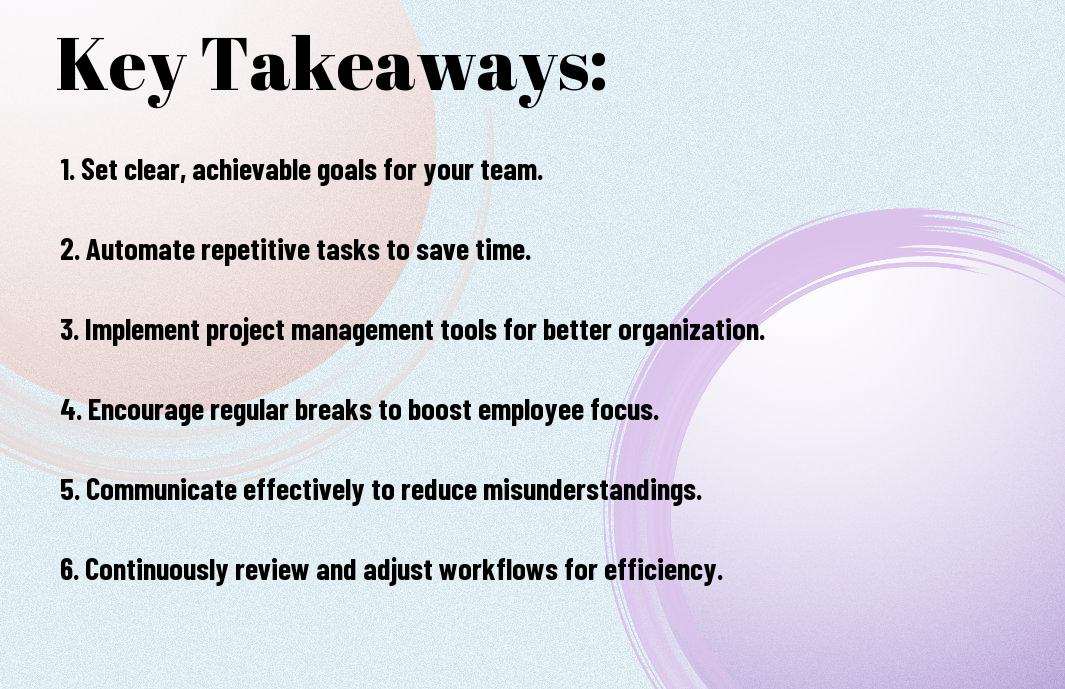
Key Takeaways:

  • Set Clear Goals: Clearly define objectives to align your team and enhance focus on priority tasks.
  • Leverage Technology: Utilize productivity tools and software to streamline processes and automate repetitive tasks.
  • Encourage Work-Life Balance: Support a healthy work-life balance to boost motivation and reduce burnout among employees.

Understanding Productivity

While defining productivity can vary across different industries, it fundamentally represents the effectiveness of your business in converting inputs into outputs. To research deeper into enhancing your efficiency, explore practical tips on How to Increase Business Productivity. Understanding this concept can help you pinpoint areas for improvement and streamline your processes.

Defining Productivity in Business

With productivity in business, you need to consider not just how much work is getting done, but the quality and outcomes of that work. It involves measuring how efficiently resources such as time, money, and labor are utilized to achieve your business goals, emphasizing improvements that can lead to growth and sustainability.

Common Barriers to Productivity

After identifying the significance of productivity, it’s important to recognize the common barriers that may hinder it within your small business. These can include communication challenges, inefficient processes, lack of motivation among employees, and inadequate resource management.

Productivity issues often stem from unclear directions or objectives, leading to wasted time and frustrated team members. Additionally, distractions and an overload of tasks can further impair focus, while insufficient training may limit your team’s ability to perform at their best. Addressing these barriers proactively will bolster your efforts to enhance productivity across your business.

Setting Clear Goals

Even with a small team, setting clear goals is vital for driving productivity in your business. Goals provide direction and focus, ensuring that everyone is aligned and working towards a common purpose. By defining specific, measurable, actionable, relevant, and time-bound objectives, you not only enhance accountability but also motivate your team to excel. Establishing clear benchmarks allows you to track progress and make necessary adjustments, fostering a culture of continuous improvement.

SMART Goals Framework

One effective way to set goals is by utilizing the SMART framework. This method helps you create goals that are Specific, Measurable, Achievable, Relevant, and Time-bound. By following this guideline, you ensure your objectives are well-defined and attainable, which increases the likelihood of successful outcomes. This structured approach gives you clarity on what you need to achieve and provides a clear roadmap for your team.

Aligning Business Objectives

Around your established goals, it’s important to align your business objectives with the overall vision of your company. This alignment ensures that each target supports your broader aspirations, creating a cohesive strategy that maximizes productivity and efficiency. When your team understands how their individual contributions matter towards the bigger picture, it fosters collaboration and motivation.

Goals act as a framework for aligning your business objectives with daily operations. By ensuring that short-term goals resonate with long-term vision, you facilitate a harmonious work environment where every team member knows their role in achieving the collective mission. This sense of purpose empowers your employees to perform at their best, ultimately leading to enhanced productivity across your small business.

Streamlining Workflows

Now is the time to evaluate your business processes and streamline workflows to enhance productivity. By identifying areas that slow down operations, you can implement more efficient systems that save time and reduce errors. Focus on creating transparent communication channels and define roles clearly, allowing your team to work harmoniously and efficiently.

Identifying Inefficiencies

With a keen eye for detail, evaluate your current procedures to pinpoint where inefficiencies lie. Conduct assessments and gather feedback from your team to understand bottlenecks and redundancies. This information will be invaluable in determining the areas that need improvement, allowing you to optimize processes effectively.

Implementing Automation

Implementing automation tools can significantly enhance your workflow efficiency. By automating repetitive tasks such as data entry, invoicing, or email marketing, you free up valuable time for your team to focus on more strategic initiatives. This not only speeds up processes but also minimizes human errors, leading to a smoother operation overall.

Due to advancements in technology, various automation tools are now accessible for businesses of all sizes. You can leverage software that integrates with your existing systems to automate tasks such as scheduling, reporting, and order processing. By doing so, you enhance accuracy, improve employee satisfaction, and create a more agile business environment. Embracing automation will allow you to remain competitive and responsive to market changes while maximizing your team’s potential.

Leveraging Technology

To effectively enhance productivity in your small business, leveraging technology is imperative. By embracing modern tools and software, you can streamline operations, automate repetitive tasks, and gain valuable insights into your performance. Adopting the right technology not only saves time but also allows you to focus on what truly matters—growing your business and improving customer satisfaction.

Tools for Task Management

The right task management tools can transform how you organize and prioritize your projects. By using applications that allow for setting deadlines, tracking progress, and delegating responsibilities, you can keep your team aligned and productive. This way, everyone is aware of their tasks and you can easily monitor workflow, ensuring that nothing falls through the cracks.

Communication and Collaboration Software

Behind every successful small business is a team that communicates effectively. Utilizing collaboration software enables you to connect with your team in real-time, allowing for seamless communication and idea sharing. This not only enhances decision-making but also fosters a sense of camaraderie among team members, making it easier to tackle challenges together.

And with numerous options available, you can choose platforms that best fit your team’s needs. Whether it’s shared calendars, project boards, or video conferencing tools, these resources simplify interactions and ensure everyone stays engaged. Additionally, centralizing communication reduces the chances of misunderstandings and keeps all project-related discussions in one place, enabling your team to work more efficiently.

Enhancing Employee Engagement

Many small business owners overlook the impact of employee engagement on productivity. By actively involving your team in decision-making and fostering a sense of belonging, you cultivate an environment where they feel valued and motivated. Regular check-ins, team-building activities, and open communication channels are crucial strategies that not only improve morale but also drive higher levels of output and creativity among employees.

Fostering a Positive Work Environment

Any workplace can benefit from a positive atmosphere that encourages collaboration and innovation. By promoting an inclusive culture, prioritizing work-life balance, and providing resources for professional growth, you set the foundation for improved employee satisfaction. Creating spaces for teamwork and social interaction can significantly enhance the overall climate of your small business.

Recognizing and Rewarding Achievements

Among the strategies for boosting employee engagement, recognizing and rewarding achievements plays a key role. By celebrating milestones and individual contributions, you inspire your team to excel and cultivate a culture of acknowledgment.

It’s important to implement a structured approach to recognition, whether through verbal praise, written commendations, bonuses, or employee-of-the-month programs. When you acknowledge your employees’ hard work, you not only enhance their morale but also strengthen their loyalty and commitment to your business. This investment in recognition creates a ripple effect that elevates productivity, as employees feel empowered to perform at their best and contribute actively to organizational goals.

Time Management Strategies

Despite the numerous distractions in today’s fast-paced environment, effective time management can significantly transform your small business. Implementing structured strategies helps you allocate time wisely, ensuring that tasks are completed efficiently. By focusing on prioritizing your tasks, planning your daily schedule, and minimizing interruptions, you can enhance your productivity and achieve your goals with greater ease.

Prioritization Techniques

Along with the right mindset, prioritization techniques can help you distinguish between vital and less critical tasks. Use methods like the Eisenhower Matrix to categorize tasks based on urgency and importance, allowing you to focus on what truly matters and boost your overall productivity.

Planning and Scheduling Best Practices

Behind every successful small business is a well-thought-out plan and consistent scheduling. Utilizing tools like digital calendars or project management software enables you to visualize your commitments, allocate time for each task, and avoid last-minute rushes. This approach positions you to be proactive rather than reactive, fostering a smoother workflow.

But it’s not just about having a plan; it’s vital to adapt your scheduling methodology to fit your unique business needs. Regularly assess your calendar and adjust as necessary to accommodate changing priorities and unexpected events. Build buffers into your schedule to allow for flexibility, and ensure you set aside time for both strategic planning and day-to-day operations. This will help maintain your focus and momentum, enhancing productivity in the long run.

Summing up

The key to enhancing productivity in your small business lies in implementing effective strategies tailored to your unique needs. Focus on optimizing your workflow, utilizing technology, and fostering a positive work environment. Encourage open communication and collaboration within your team to streamline processes. For additional insights, explore the Top Strategies for Improving Business Productivity. By taking these steps, you can create a more efficient and motivated workplace that drives your success.

FAQ

Q: What are some effective strategies to manage time better in a small business?

A: Managing time efficiently can greatly enhance productivity in a small business. One effective strategy is to implement time-blocking, where specific hours are allocated for particular tasks. Utilizing productivity tools such as digital calendars and task management apps can also help you keep track of deadlines and prioritize tasks. Additionally, delegating responsibilities among team members can ensure that everyone focuses on what they’re best at, allowing for smoother operations and less strain on individual employees.

Q: How can technology improve productivity in a small business?

A: Technology can play a significant role in boosting productivity in various ways. Adopting cloud-based tools allows for collaboration and access to documents from anywhere, making teamwork more efficient. Automation tools can also streamline repetitive tasks, such as invoicing or email marketing, freeing up time for more strategic activities. Utilizing customer relationship management (CRM) software can improve communication and organization, enabling you to focus on building client relationships rather than getting bogged down by administrative burdens.

Q: What role does employee engagement play in increasing productivity?

A: Employee engagement is vital for productivity in a small business. When employees feel valued and connected to their work, they are more motivated to perform at their best. Providing opportunities for professional development, recognizing achievements, and fostering a positive workplace culture can enhance engagement levels. Additionally, soliciting feedback from employees and involving them in decision-making processes can lead to a sense of ownership and responsibility, further driving productivity within the team.

The Benefits of Investing in International Markets

Markets around the world offer unique opportunities that can significantly enhance your investment portfolio. By diversifying into international markets, you can take advantage of emerging economies, access different economic cycles, and reduce your risk exposure. Furthermore, investing abroad allows you to tap into industries and sectors not available within your domestic market, potentially leading to greater returns. In this blog post, you will explore the key benefits of expanding your investment horizons beyond borders.

Key Takeaways:

  • Diversification: Investing in international markets allows for greater portfolio diversification, reducing risk exposure by spreading investments across different economies and industries.
  • Growth Opportunities: Global markets can offer higher growth potential, especially in emerging economies where rapid economic expansion may outpace those of developed markets.
  • Currency Benefits: International investments can provide currency diversification, enabling investors to potentially benefit from favorable exchange rate movements that enhance overall returns.

Understanding International Markets

Before you venture into investing, it’s vital to grasp the intricacies of international markets. These markets provide opportunities to diversify your portfolio, as they are influenced by different economic factors compared to domestic markets. Understanding the unique characteristics of various regions can help you make informed investment decisions and potentially increase your returns.

Definition and Scope

Markets encompass a variety of systems where goods, services, and assets are exchanged. International markets specifically involve transactions that occur between countries, emphasizing a global approach. As you explore these markets, you’ll find a vast range of opportunities for investment across diverse sectors and geographic areas.

Types of International Investments

One effective way to gain exposure to international markets is through various types of international investments. These can include direct investments in foreign businesses or market indices, as well as other financial instruments. Understanding these types can help you align your investment strategy with your long-term goals.

Type of Investment Description
Foreign Stocks Equities of companies based outside your home country.
Bonds Fixed-income securities issued by foreign governments or corporations.
Mutual Funds/ETFs Funds that pool money from investors to buy international securities.
Real Estate Investing in properties in foreign markets.
Currency Trading Speculating on currency fluctuations in the global market.

This array of investment options offers you flexibility and the potential for higher returns. Each type of investment comes with its own set of risks and benefits, so it’s important to evaluate which aligns best with your financial goals. By diversifying into international assets, you can mitigate risks linked to domestic economic conditions.

  • Direct Investment: Buying a stake in a foreign company
  • Exchange-Traded Funds (ETFs): Tracking international indices
  • Foreign Real Estate: Acquiring properties abroad
  • Global Bonds: Investing in foreign government or corporate bonds
  • Forex Markets: Engaging in currency trading

After you consider these factors, you’ll be in a better position to make strategic choices that enhance your investment portfolio.

Economic Diversification

If you seek to strengthen your investment portfolio, exploring international markets can provide exceptional economic diversification. By investing in various geographical regions, you can reduce reliance on a single economy, thereby enhancing your ability to withstand local market fluctuations. This diversification allows you to cater to different economic cycles, ensuring that your investments remain balanced and resilient against changing global sentiments.

Risk Reduction

Below your investments can become less susceptible to localized economic downturns by spreading them across different countries and regions. When one market underperforms, another may thrive, thus offering a buffer against potential losses. This global approach enables a smoother performance over time, providing a safer pathway to achieving your financial goals.

Exposure to Emerging Economies

Against this background, investing in international markets opens your portfolio to emerging economies that offer rapid growth potential. These markets often present opportunities for higher returns due to their developing infrastructure, expanding consumer bases, and increasing domestic spending. Diversifying your investments into these regions can significantly enhance your overall portfolio performance.

Also, tapping into emerging economies allows you to benefit from unique market trends that aren’t always correlated with developed markets. This exposure can result in attractive growth opportunities, particularly as these economies adapt and innovate over time. By incorporating investments in countries like India, Brazil, or Vietnam, you position yourself to capitalize on potential game-changing developments and explore avenues for substantial returns.

Increased Opportunities for Growth

After expanding your investment horizon to include international markets, you open the door to a wider array of potential growth opportunities. Different regions often have varying economic cycles, allowing you to capitalize on areas that may be experiencing growth while your domestic market may be stagnating. By diversifying your investments across the globe, you can better position yourself to take advantage of emerging markets and industries, ultimately maximizing your growth potential.

Higher Return Potential

Growth in international markets often leads to higher return potential than domestic investments. By diversifying your portfolio, you harness the unique opportunities presented by emerging economies and sectors. This diversification helps mitigate risks while optimizing your chances of realizing substantial returns.

Access to Innovative Industries

About investing internationally, you gain access to innovative industries that may not be prevalent in your local market. Many countries are hubs for technological advancements and groundbreaking research, providing you with opportunities to invest in forward-thinking companies poised for rapid growth.

Another impact of accessing these innovative industries is the potential to participate in sectors like renewable energy, biotechnology, and information technology. By investing in these dynamic markets, you position yourself at the forefront of industry trends that can drive high returns. Engaging with these sectors not only diversifies your investment portfolio but also aligns you with global economic shifts, enabling you to benefit from advancements that are changing the world.

Currency Diversification

Unlike investing solely in domestic markets, currency diversification allows you to spread your exposure among various currencies, reducing the risk of currency depreciation. By incorporating international assets into your portfolio, you can enhance returns and provide a hedge against local economic downturns. To learn more about Investing in International Markets: The Benefits and Risks …, continue exploring the advantages this strategy offers.

Mitigating Currency Risk

Among the various strategies to enhance your investment portfolio, mitigating currency risk can significantly protect your returns. By investing in countries with different economic cycles and currency tendencies, you can offset losses in one currency with gains in another. This balance helps ensure that your overall investment remains stable and resilient against global economic fluctuations.

Benefits of Currency Fluctuations

An important aspect of investing in international markets is taking advantage of currency fluctuations. When you invest in assets abroad, changes in exchange rates can lead to unexpected gains or losses, providing unique opportunities. As currencies appreciate or depreciate, your investments may benefit from favorable conversion rates, enhancing your overall return on investment.

Mitigating the risks associated with currency fluctuations can offer investment advantages that many overlook. When currencies fluctuate, even modest changes can maximize your returns when converting profits back to your home currency. Furthermore, diversifying your investments across various currencies helps reduce volatility in your overall portfolio, allowing you to enjoy the potential rewards of international markets without being overly exposed to any single currency’s performance.

Insights into Global Trends

Now is the ideal time for you to explore global trends as they offer insights into investment opportunities that can enhance your portfolio. By observing different markets, you can identify potential growth areas, sectors on the rise, and shifts in consumer behavior that signal lucrative ventures. Understanding these trends will empower you to make informed decisions and capitalize on economic advancements worldwide.

Economic Indicators

Any investor worth their salt knows that economic indicators play a significant role in predicting market behavior. These metrics, such as GDP growth rates, inflation levels, and unemployment statistics, provide a snapshot of a country’s economic health. By analyzing these indicators, you can better assess which international markets are ripe for investment and which ones may pose risks.

Market Analysis Across Borders

Along with understanding economic indicators, conducting thorough market analysis across borders is imperative for successful international investing. This process involves evaluating various factors affecting different markets, such as regulatory environments, competition, and consumer preferences. By engaging in this analysis, you can spot potential challenges and significant opportunities that may not be evident at first glance.

Hence, diving deeper into market analysis across borders allows you to develop a more comprehensive investment strategy. By comparing industries and understanding regional dynamics, you can identify trends that may not be apparent in your domestic market. Leveraging data from diverse sources enables you to stay ahead of the curve and maximize your investment returns. This level of diligence will ultimately enhance your ability to navigate the complexities of global markets effectively.

Strategic Asset Allocation

Not all investments are created equal. By diversifying your portfolio across international markets, you can reduce risk and enhance potential returns. Strategic asset allocation allows you to balance your investments between domestic and foreign assets, ensuring that you capture growth opportunities while mitigating adverse market fluctuations. This approach helps you align your investment strategy with your risk tolerance and financial goals, making it a vital component of your overall investment plan.

Portfolio Balance

Among the most significant advantages of investing in international markets is the ability to achieve a well-balanced portfolio. By incorporating a variety of global assets, you can counterbalance the volatility of your domestic investments. This balance not only stabilizes your portfolio but also opens up avenues for growth in emerging markets and developed economies alike, providing you with a more resilient financial foundation.

Long-term Investment Strategies

One of the key benefits of investing internationally is the opportunity for long-term growth. By focusing on global economic trends and investing with a long horizon, you can take advantage of diverse market cycles and potentially higher returns. This strategy encourages you to be patient and allows the compounding effect of your investments to work in your favor.

But it’s important to stay informed about global economic developments and shifts in market dynamics. Long-term investment strategies require a comprehensive understanding of geopolitical factors, currency fluctuations, and economic indicators. By positioning yourself wisely and remaining committed to your strategy, you can harness the advantages of international investing and build wealth over time, ensuring you reach your financial milestones with confidence.

Conclusion

Drawing together the benefits of investing in international markets, you can diversify your portfolio, mitigate risks, and tap into growth opportunities that may be unavailable in your local market. By exploring these global avenues, you not only enhance your investment potential but also broaden your understanding of different economies. To gain more insights, consider referencing What to Consider When Investing in International Markets. Making informed decisions will enable you to optimize your investment strategy effectively.

Q: What are the primary advantages of diversifying my investment portfolio with international markets?

A: Investing in international markets offers several advantages, including diversification of risk, potential for higher returns, and exposure to new growth opportunities. By spreading investments across different countries and regions, investors can reduce the impact of any single economy’s downturn. Additionally, certain international markets may offer faster growth rates compared to domestic markets, allowing investors to capitalize on emerging trends. Finally, investing globally can provide access to industries and sectors that may not be well-represented in local markets, thereby enhancing overall portfolio performance.

Q: How do currency fluctuations affect my international investments?

A: Currency fluctuations can significantly impact the returns from international investments. When investing in assets denominated in foreign currencies, changes in exchange rates can affect the value of those investments in your home currency. For instance, if the value of the foreign currency rises against your local currency, your investment returns will increase when converted back to your currency. Conversely, if the foreign currency depreciates, it can lead to diminished returns. Investors should carefully consider the currency risk and may choose to hedge their investments to mitigate potential adverse effects.

Q: What factors should I consider before investing in international markets?

A: Before investing in international markets, investors should evaluate various factors, including political stability, economic conditions, market accessibility, and regulatory environments. Understanding the political climate is vital, as instability can lead to investment risks. Economic indicators, such as GDP growth and inflation rates, can help gauge the health of the market. Additionally, investors should assess market accessibility—whether there are any barriers to entry—for their chosen regions. Lastly, an awareness of local regulations and compliance requirements is vital to ensure that investments are made within legal frameworks and to avoid potential pitfalls.

How to Calculate the Cost of Starting a Business

Most aspiring entrepreneurs find themselves questioning the financial requirements of launching their venture. Understanding how to calculate the cost of starting a business is imperative for laying a solid foundation. You’ll need to consider various expenses, from initial investments to ongoing operational costs. To assist you in this process, you can explore Business Startup Costs: How To Calculate And Budget, which provides detailed insights and strategies for accurate budgeting. With the right approach, you can effectively assess your financial needs and plan accordingly.

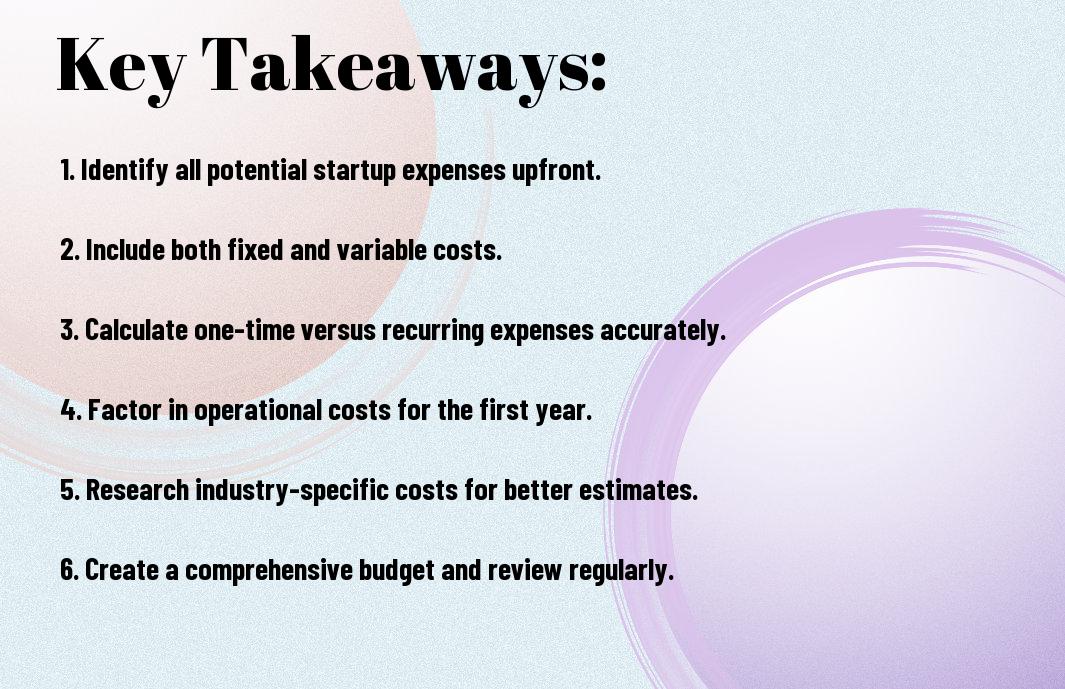
Key Takeaways:

  • Estimate Expenses: Identify and categorize all potential costs, including startup costs, operating expenses, and unexpected expenses to develop a comprehensive budget.
  • Research Funding Options: Explore various funding sources such as personal savings, loans, investors, or grants to support your business financially.
  • Regularly Review Projections: Continuously monitor financial projections and adjust your forecasts as needed to ensure your business remains on track to profitability.

Understanding Startup Costs

To accurately determine the financial requirements of launching your business, you must understand startup costs. These expenses are typically divided into two main categories: fixed costs and variable costs. Recognizing and estimating these costs will enable you to create a well-informed budget, ensuring your business is on solid financial footing from the beginning.

Fixed Costs

One of the primary components of your startup costs will be fixed costs, which do not fluctuate based on your level of production or sales. These include expenses like rent, salaries, and insurance premiums that you will incur regardless of your business activity. Understanding these costs is vital since they represent ongoing commitments that you must plan for.

Variable Costs

Variable costs refer to expenses that change in direct proportion to your business operations. As your sales increase or decrease, these costs will adapt accordingly. Common examples include raw materials, utilities, and shipping fees. Estimating variable costs accurately can help you forecast your cash flow more effectively.

This variability requires you to be proactive in monitoring and adjusting your budget, especially as your business grows. By understanding your pricing strategies and the demand for your products or services, you can better control these expenses. Keeping a close eye on your variable costs will ultimately support your financial health and sustainability as your business evolves.

Estimating One-Time Expenses

If you want to accurately calculate the cost of starting your business, estimating one-time expenses is vital. These expenses usually cover initial costs that are not recurring, and can significantly vary depending on your industry. Be sure to include everything from legal fees to equipment, as these initial investments will shape the financial foundation of your venture.

Legal Fees

Along with other one-time costs, legal fees should be factored into your budget. These can include expenses for business registration, licenses, permits, and the services of an attorney for contract reviews or trademark registrations. Engaging a legal expert can provide guidance and help ensure that you meet all regulatory requirements.

Equipment and Supplies

Before launching your business, it’s vital to assess the equipment and supplies you will need. This could range from office furniture and computers to specialty tools particular to your trade. Each item contributes to your startup’s functionality and productivity.

Hence, creating a detailed list of necessary equipment and supplies will help you avoid unexpected costs later. Consider not only the initial purchase price but also ongoing maintenance and potential upgrades. Investing in quality items can enhance efficiency and lifecycle, which could save you money in the long run and ensure your business operates smoothly from the start.

Projecting Ongoing Expenses

Many entrepreneurs overlook the significance of ongoing expenses when setting up their business. These costs play a pivotal role in your overall financial planning, impacting your cash flow and profitability. It’s vital to project these expenses accurately to create a sustainable business model and ensure you’re well-prepared for any financial challenges ahead.

Rent and Utilities

By evaluating your potential location, you can better estimate your rent and utility expenses. Consider factors like square footage, lease terms, and utility costs in your area. This helps you understand how much you will need to allocate monthly to maintain a functional workspace that meets your business needs.

Salaries and Wages

Across various industries, salaries and wages represent a significant portion of your ongoing expenses. Knowing how much to pay your employees not only affects staff retention but also influences your budget planning. You’ll need to assess local salary benchmarks and consider additional costs like benefits and payroll taxes.

And as your business grows, so will your payroll responsibilities. It’s important to factor in potential raises, bonuses, and employee turnover as part of your ongoing salary expenses. You may also want to allocate funds for hiring specialized roles as your business evolves, ensuring you have the right talent to drive your business forward.

Additional Financial Considerations

Keep in mind that starting a business involves various financial elements beyond initial setup costs. You should factor in ongoing expenses and emergency funds to ensure stability as your operations begin. Understanding these additional financial considerations will help you create a more accurate budget and prepare for unforeseen challenges.

Marketing and Advertising

Marketing isn’t just an afterthought; it’s an necessary expense for launching your business successfully. You’ll need to allocate funds for branding, promotional materials, and online advertising to reach your target audience effectively. A well-planned marketing strategy will not only create awareness but also attract customers and drive sales.

Insurance Costs

One important aspect of your startup’s budget is insurance costs. Protecting your business against potential risks can prevent significant financial losses down the line.

For instance, different types of insurance such as general liability, property, and workers’ compensation will vary based on your industry and specific operations. By researching and obtaining the appropriate insurance policies, you ensure that you are safeguarded against unforeseen events, thus maximizing your long-term financial stability.

Funding Your Business

Now that you’ve outlined your startup costs, the next step is determining how to fund your business. Various options are available, including personal savings, loans, and investments. Each method has its own pros and cons, so you’ll need to evaluate which approach aligns best with your financial situation and business goals.

Personal Savings

About funding your business through personal savings, it’s often considered one of the most straightforward methods. Using your own money allows you to avoid debt and maintain full control over your business. However, ensure that you have enough savings to support both your business needs and personal financial security.

Loans and Investments

After assessing your personal savings, you might consider loans and investments as options to fund your business. Financing through loans often requires a solid business plan, while investors may seek equity or a stake in your company.

In fact, when looking for loans, it’s important to explore different lending institutions and understand the terms and interest rates. If you consider attracting investors, be prepared to pitch your business idea compellingly, as they will want to see potential for growth and return on investment. Balancing these options will help you secure the funding that best meets your needs.

Creating a Budget

For entrepreneurs, creating a budget is vital for managing financial resources effectively. A well-structured budget helps you plan for expenses, allocate funds for various business activities, and identify potential financial challenges. By understanding your fixed and variable costs, you can make informed decisions regarding pricing and resource allocation, ensuring that your business stays on track financially.

Developing a Financial Plan

The development of a comprehensive financial plan is key to your business’s success. This plan should outline projected revenues, operating costs, and anticipated cash flow. By having a clear financial roadmap, you can set realistic goals, prepare for unexpected expenses, and evaluate the overall financial health of your business over time.

Tracking Expenses

By diligently tracking your expenses, you gain valuable insights into your business’s financial performance. This practice allows you to identify spending patterns, assess budget variances, and adjust your financial strategies accordingly to avoid overspending.

Understanding your expenses in detail is vital for maintaining your business’s profitability. Regularly reviewing your spending enables you to pinpoint areas where you might cut costs or invest more strategically. Utilizing expense tracking tools can streamline the process, making it easier to categorize and analyze your financial data. This proactive approach not only aids in managing your current expenses but also informs future budgeting decisions and helps you stay aligned with your financial goals.

To wrap up

The process of calculating the cost of starting a business involves evaluating various factors such as initial investments, operating expenses, and potential unforeseen costs. By creating a comprehensive budget and accounting for both fixed and variable expenses, you can gain a clearer understanding of your financial needs. This proactive approach enables you to make informed decisions, secure funding, and set your business on a path to success. Being thorough in your calculations will not only prepare you for challenges but also enhance your confidence in launching your venture.

FAQ

Q: What are the main costs to consider when starting a business?

A: When starting a business, several main costs need to be taken into account. These include:

  • Startup Costs: These are one-time expenses incurred before the business begins operations, such as legal fees, permits, and equipment purchases.
  • Operating Costs: These ongoing expenses include rent, utilities, salaries, and marketing. It’s important to project these costs for at least the first year.
  • Inventory Costs: If your business sells products, you’ll need to estimate the cost of purchasing initial inventory.
  • Insurance: This includes various types of insurance such as liability, property, or health insurance, which are necessary to protect your business.

Q: How can I accurately estimate my startup costs?

A: To estimate startup costs accurately, follow these steps:

  • Research: Look into the industry standards and consult with others who have started similar businesses to gauge typical costs.
  • Create a Detailed Business Plan: Include a section that outlines all potential costs categorized into fixed and variable expenses.
  • Compile a Checklist: Develop a checklist outlining every item and service you might need, from office furniture to marketing materials, then assign costs to each.
  • Consult Professionals: Engage with accountants or business advisors for insights into hidden costs that you may not consider initially.

Q: Should I include contingencies in my financial calculations?

A: Yes, incorporating contingencies in your financial calculations is advisable. Here’s how you can approach it:

  • Add a Contingency Percentage: A common practice is to allocate an additional 10-20% of your total estimated costs to cover unexpected expenses.
  • Identify Potential Risks: Assess risks specific to your business or industry, such as economic fluctuations, and account for potential fallout.
  • Adjust Regularly: As you progress through the startup phase and gather more information, it may be wise to reassess and adjust your contingency plans to ensure you’re still covered.

The Importance of Digital Marketing in Business Growth

There’s no denying that digital marketing is a game changer for businesses today. In an era where online presence can make or break your brand, understanding how to leverage digital platforms is vital for driving growth and engaging with your target audience. By embracing digital marketing strategies, you can enhance your visibility, foster customer relationships, and ultimately boost your sales. This post will explore the various facets of digital marketing and how they play a pivotal role in your business’s success and expansion.

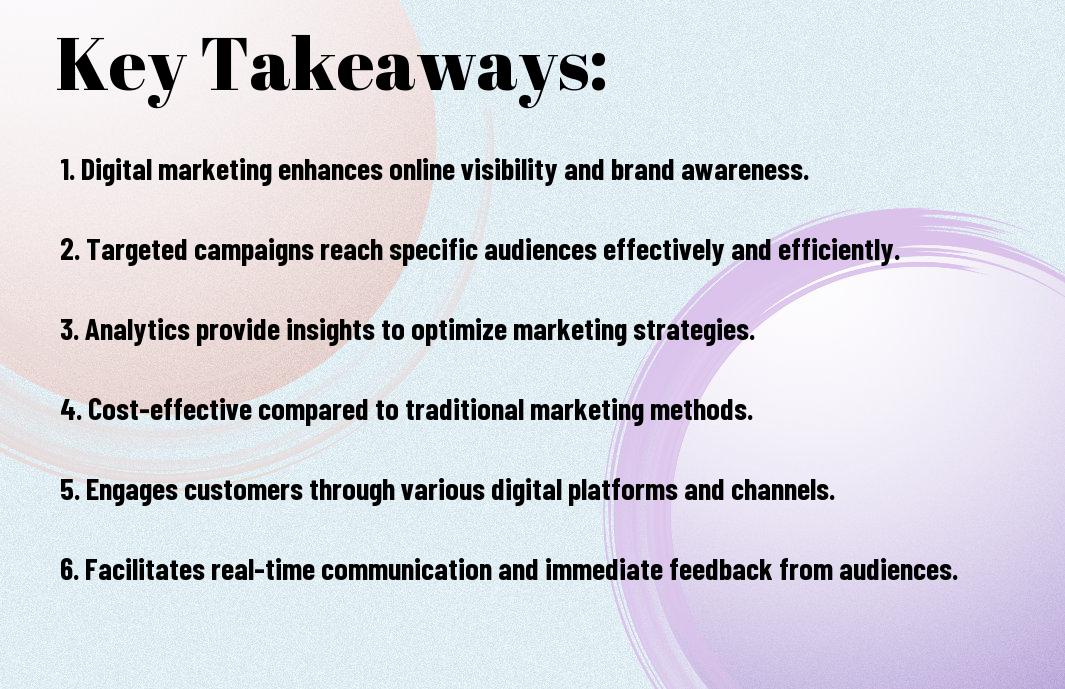
Key Takeaways:

  • Broader Audience Reach: Digital marketing enables businesses to connect with a global audience, significantly expanding their customer base compared to traditional methods.
  • Cost-Effective Strategies: It offers affordable marketing options such as social media and email campaigns, allowing small and medium-sized enterprises to compete with larger companies.
  • Measurable Results: Digital marketing provides analytics and metrics for tracking performance, enabling businesses to refine strategies based on real-time data and improve ROI.

Understanding Digital Marketing

To grow your business effectively, it’s vital to understand the role of digital marketing. It encompasses various strategies and channels that help you connect with your audience online. For further insights, check out this article on Why Digital Marketing is Important for Small Business. By mastering digital marketing, you can enhance your brand visibility and drive more engagement, ultimately leading to increased sales.

Definition of Digital Marketing

To define digital marketing, it refers to the online methods and strategies used to promote products or services through various digital channels. This includes social media, email, search engines, and websites, allowing you to reach a broader audience efficiently.

Key Components of Digital Marketing

At the core of digital marketing, you will find several key components that work together to elevate your online presence. Understanding these elements will empower you to execute effective marketing campaigns that achieve desired results.

Definition of these key components includes search engine optimization (SEO), which enhances your visibility in search results; content marketing, which focuses on creating valuable content; social media marketing, which leverages platforms to engage with customers; and email marketing, which allows you to directly communicate with your audience. Each of these components plays a significant role in your overall digital strategy, helping to drive traffic, generate leads, and ultimately boost your revenue.

Benefits of Digital Marketing for Businesses

Some of the key benefits of digital marketing include increased brand awareness, higher conversions, and improved customer loyalty. By leveraging online channels, you can connect with your audience more effectively, enhance your business’s online presence, and drive sales growth. Digital marketing strategies enable you to track performance metrics, ensuring that you can continually adapt your efforts for maximum effectiveness, thereby fostering sustainable business growth.

Increased Reach and Visibility

Among the many advantages of digital marketing, increased reach and visibility stands out. By utilizing various digital platforms, you can expand your audience beyond geographical limitations. This allows you to tap into new markets and connect with potential customers who may have previously been unreachable, driving brand awareness and attracting more visitors to your site.

Targeted Audience Engagement

Below the surface of increased visibility lies the power of targeted audience engagement. By understanding the demographics and behaviors of your audience, you can tailor your marketing messages to resonate with them on a personal level. This not only fosters meaningful interactions but also cultivates customer loyalty as your audience feels seen and understood.

Considering the advancements in data analytics, you can gain valuable insights into your audience’s preferences and behaviors. This information allows you to create personalized content and targeted campaigns that speak directly to their needs. Engaging with your audience through social media, email marketing, and tailored advertisements ensures that you attract and retain customers who are genuinely interested in your offerings, thereby increasing your overall return on investment.

Digital Marketing Strategies

Now, implementing effective digital marketing strategies is important for driving business growth and staying competitive in today’s market. Leveraging various channels will allow you to reach your target audience effectively, enhance brand awareness, and ultimately increase sales. By integrating tactics such as SEO, social media marketing, and email campaigns, you can create a robust online presence that converts leads into loyal customers.

Search Engine Optimization (SEO)

Along with other strategies, SEO plays a significant role in improving your website’s visibility on search engines. By optimizing your content with relevant keywords, enhancing site speed, and ensuring mobile-friendliness, you can attract organic traffic. Understanding the importance of on-page and off-page SEO techniques will significantly boost your site’s rankings and connect you with potential customers actively searching for your products or services.

Social Media Marketing

Engine your brand’s growth with social media marketing, a powerful tool for engaging with your audience directly. By creating compelling content and utilizing platforms like Facebook, Instagram, and LinkedIn, you can cultivate relationships and build a loyal community around your brand. Social media allows you to promote your products, interact with clients, and showcase your expertise in a visually engaging way.

Another benefit of social media marketing is the ability to analyze customer interactions and preferences in real-time. By monitoring engagement metrics, you gain insights into what resonates with your audience, enabling you to tailor your marketing efforts. This targeted approach not only enhances customer satisfaction but can also lead to improved conversion rates, ultimately driving your business’s bottom line. Leveraging social media for marketing is not just about promotion; it’s about creating a genuine connection with your audience.

Measuring the Impact of Digital Marketing

Keep in mind that measuring the impact of your digital marketing efforts allows you to refine strategies, allocate resources efficiently, and ultimately drive business growth. By analyzing the data you gather, you gain invaluable insights into customer behavior and preferences, helping you make informed decisions that enhance your overall marketing effectiveness.

Key Performance Indicators (KPIs)

Performance indicators are crucial metrics that help you evaluate the success of your digital marketing campaigns. By identifying KPIs that align with your business objectives, such as conversion rates, website traffic, and customer engagement, you can effectively track and measure the effectiveness of your strategies over time.

Analytics Tools and Techniques

After you’ve established your KPIs, utilizing analytics tools and techniques becomes vital for gaining deeper insights into your digital marketing performance. Various platforms, including Google Analytics, social media insights, and email marketing dashboards, can help you capture valuable data and assess campaign effectiveness.

But it’s not just about collecting data; you also need to interpret it meaningfully. Understanding metrics from these analytics tools allows you to identify trends, pinpoint areas for improvement, and adjust your strategies in real-time. This ongoing analysis empowers you to make data-driven decisions that can significantly increase your return on investment and drive more significant business growth.

Challenges in Digital Marketing

All businesses face unique challenges in digital marketing. From constantly evolving algorithms to shifting consumer preferences, the landscape is dynamic and sometimes overwhelming. As you navigate this space, you may encounter hurdles like resource allocation, measuring ROI, and integrating innovative strategies. Addressing these challenges effectively is key to leveraging digital marketing for sustainable growth.

Keeping Up with Trends

Beside the challenges of managing your marketing strategy, staying informed about the latest digital trends can feel daunting. With new tools and techniques emerging regularly, you need to be proactive in educating yourself. Engaging in continuous learning and networking will empower you to adapt and make informed decisions that resonate with your audience.

Competition and Market Saturation

Competition in the digital space is fierce, and market saturation can make it difficult for your brand to stand out. As more businesses recognize the value of online presence, distinguishing yourself becomes vital. Solidifying your unique selling proposition and crafting tailored marketing strategies can help you gain traction even in a crowded marketplace.

But standing out requires a strategic approach to your digital marketing efforts. You must analyze competitors and identify gaps in their strategies that you can capitalize on. By pinpointing your audience’s needs and preferences, you can craft unique content and campaigns that resonate with them. Additionally, leveraging SEO, targeted advertising, and effective social media management can further differentiate your brand, enabling you to capture and retain a loyal customer base in a saturated market.

Future of Digital Marketing

Once again, the landscape of digital marketing is evolving, opening up new avenues for growth. As businesses adopt innovative techniques, understanding why digital marketing is important for business becomes increasingly vital. Staying informed about these changes will help you strategically position your brand for success in a competitive market.

Emerging Technologies and Trends

Above all, emerging technologies such as augmented reality, voice search optimization, and interactive content are reshaping the digital marketing arena. As you leverage these trends, you’ll enhance customer engagement and create more personalized experiences, allowing your brand to stand out in a crowded marketplace.

The Role of Artificial Intelligence

Above, artificial intelligence (AI) has become a game-changer in digital marketing strategies. By analyzing vast amounts of data, AI enables you to understand consumer behavior, automate tasks, and even predict trends, allowing your marketing efforts to be more targeted and efficient.

And as AI continues to evolve, its integration into digital marketing will expand further. You can expect improved chatbots that provide 24/7 customer service, tailored content recommendations based on user preferences, and enhanced analytics that help refine your marketing strategies. Embracing AI not only saves you time and resources but also significantly enhances customer interactions, paving the way for increased loyalty and sales.

To wrap up

Taking this into account, you should recognize that digital marketing is a key driver for business growth in today’s competitive landscape. By leveraging various online platforms and strategies, you can effectively reach your target audience, enhance brand awareness, and ultimately increase sales. Embracing digital marketing allows you to adapt to changing consumer behaviors and capitalize on new opportunities, ensuring that your business remains relevant and prosperous. Investing in these strategies is a vital step towards achieving sustained success and growth.

FAQ

Q: Why is digital marketing vital for business growth?

A: Digital marketing is vital for business growth because it allows companies to reach a broader audience at a relatively low cost compared to traditional marketing methods. With the increasing number of users on platforms like social media, search engines, and email, businesses can target specific demographics, ensuring that their marketing efforts are reaching potential customers effectively. Additionally, digital marketing provides valuable data and analytics, enabling companies to assess their strategies and optimize their approach for better results.

Q: How does digital marketing enhance customer engagement?

A: Digital marketing enhances customer engagement through interactive platforms that facilitate two-way communication between businesses and consumers. Social media, for instance, allows businesses to respond to comments, messages, and reviews in real-time, fostering a sense of community and connection. Email marketing also plays a role, as personalized content can be sent to customers based on their preferences and behaviors, leading to higher engagement rates. This ongoing interaction helps build brand loyalty and encourages repeat business.

Q: What are the advantages of using SEO in digital marketing strategies?

A: Search Engine Optimization (SEO) provides significant advantages in digital marketing strategies by improving a website’s visibility on search engines. Higher visibility leads to increased website traffic, which can translate into more leads and sales. SEO helps tailor content to meet the needs and interests of potential customers, thereby enhancing user experience. Furthermore, by establishing authority and credibility through quality content and backlinks, businesses can gain competitive advantage, making it easier to attract and retain customers over time.

Skip to content