How to Build a Business from the Ground Up – A Step-by-Step Guide

Building a business requires careful planning and determination, but with the right approach, you can transform your ideas into a thriving enterprise. In this step-by-step guide, you will learn how to lay the foundation for your business, from developing a compelling business plan to navigating the legal requirements and marketing strategies necessary for success. By following each stage of this process, you will gain the knowledge and confidence needed to turn your vision into reality.

Key Takeaways:

  • Market Research: Before starting your business, conduct thorough market research to understand your target audience and competitors.
  • Business Plan: Create a detailed business plan that outlines your vision, mission, goals, and strategies for success.
  • Funding Strategies: Explore various funding options, from personal savings to investors, to ensure your business has the necessary financial resources to grow.

Understanding Your Business Idea

While launching on the entrepreneurial journey, it’s important to have a solid understanding of your business idea. This means exploring its viability, the extent of the market demand, and how it aligns with your personal goals. By dissecting your idea, you can identify the unique selling points that will set your business apart from competitors, guiding you toward a focused direction for growth.

Identifying Market Needs

For successful business development, pinpointing market needs is vital. Conduct thorough research to analyze potential customers, their pain points, and the solutions they seek. Engage with your target audience through surveys, interviews, or social media to gather insights that will help you shape your business offering effectively.

Evaluating Your Passion and Skills

Below, you should assess your personal interests and abilities in relation to your business idea. Understanding where your passions lie will not only motivate you but also enhance your chances of long-term success. Take the time to analyze your strengths and areas for improvement, ensuring that your venture aligns with your expertise.

For instance, if you have a passion for cooking and possess culinary skills, consider how you can leverage these to create a food-related business. This might include starting a catering service or a food blog. Combining your passion with your skills allows you to create a unique business that reflects who you are, making it easier for you to navigate challenges and maintain enthusiasm in the long run.

Conducting Market Research

It is vital to conduct market research to understand the landscape of your industry and identify potential opportunities. This process involves gathering data on customer preferences, market trends, and existing competitors. An in-depth analysis allows you to tailor your business strategy to meet market demands effectively, ultimately increasing your chances of success.

Analyzing Competitors

By analyzing competitors, you can glean valuable insights into their strengths and weaknesses. This evaluation helps you identify gaps in the market that your business can exploit, setting you apart from others in your field. Understanding their strategies enables you to craft a more effective approach for your own audience.

Defining Your Target Audience

An effective business strategy starts with clearly defining your target audience. This focus allows you to tailor your marketing efforts and product offerings to meet their specific needs.

Even a thorough analysis of demographics, preferences, and purchasing behavior can significantly enhance your understanding of your target audience. By creating buyer personas that reflect different segments of your market, you ensure that your messaging resonates effectively. This clarity enables you to develop targeted campaigns, refine your products, and ultimately fosters stronger connections with your customers, paving the way for increased engagement and loyalty.

Creating a Business Plan

Despite the complexities involved, crafting a solid business plan is important for guiding your business journey. This document serves as your roadmap, outlining your vision, goals, and strategies while providing a clear framework for evaluating your progress. You’ll need to incorporate market research, competitor analysis, and operational plans to ensure you are thoroughly prepared for the challenges ahead.

Outlining Your Business Model

Plan to define your business model clearly, as it dictates how you will create and deliver value to your customers. Consider the products or services you will offer, your target market, and your methods for generating revenue. This framework will help you identify the unique aspects of your business and establish a strong foundation for success.

Setting Financial Projections

Along with your business model, establishing financial projections is vital for assessing your business’s potential growth and profitability. This includes estimating revenues, expenses, and cash flow, which will serve to attract investors or secure financing.

In addition to estimating revenues and expenses, setting financial projections helps you anticipate potential challenges and adjust your strategies accordingly. Creating detailed forecasts for at least three to five years allows you to track your business’s financial health and ensure sustainability. You should consider various scenarios and include contingency plans to address unexpected changes in the market. This proactive approach will empower you to make informed decisions and steer your business toward success.

Securing Funding

Your journey to building a business heavily relies on securing the right funding. Different avenues exist, from personal savings to venture capital, and knowing which option aligns with your vision is important. A well-thought-out financial plan that outlines how much capital you need and what purpose it serves will greatly enhance your chances of successfully attracting investors or lenders.

Exploring Financing Options

One of the first steps in securing funding is exploring various financing options available to you. Consider traditional loans from banks, crowdfunding platforms, or angel investors, as each route offers different advantages and challenges. Assess the benefits and drawbacks of each to find a method that suits your business model and long-term goals.

Preparing for Investor Meetings

Securing funding requires effective preparation for meetings with potential investors. Familiarize yourself with their investment history, interests, and what they typically look for in a pitch. This knowledge will enable you to craft a compelling narrative that highlights your business’s potential, including a detailed business plan, financial forecasts, and a clear vision for growth.

The right preparation can significantly influence the outcome of investor meetings. Develop a concise pitch that clearly articulates your business idea, market demand, and competitive advantage. Be transparent about risks and challenges while showing enthusiasm and determination. Moreover, practice your presentation, anticipating questions or concerns investors may raise. This confidence will help you leave a lasting impression and improve your chances of securing the necessary funding.

Setting Up Your Business Structure

For aspiring entrepreneurs, establishing a solid business structure is important for long-term success. This involves deciding on the best legal and operational framework that suits your needs. To guide you through the early stages, check out this resource on How to Start a Business From Scratch in 7 Steps. A well-defined structure not only protects your assets but also helps streamline operations.

Choosing the Right Business Entity

After determining your business goals and financial capabilities, selecting the appropriate business entity is vital. Common types include sole proprietorships, partnerships, limited liability companies (LLCs), and corporations. Consider factors like liability, taxation, and your business’s growth potential to make an informed choice that aligns with your vision.

Registering Your Business

After deciding on your business entity, the next step is registering your business with the appropriate government authorities. This process involves obtaining the necessary licenses and permits based on your location and industry. Make sure to check local regulations to ensure compliance and avoid potential legal issues.

Consequently, registering your business not only legitimizes your operations but also enables you to open a business bank account and gain access to funding opportunities. Being properly registered can enhance your credibility with customers and partners, showcasing your commitment to running a professional venture.

Developing Your Brand

All successful businesses begin with a strong brand. This involves not just a unique name and logo, but a clear message that resonates with your target audience. You can learn more about this process by reading Building Your Business from the Ground Up: Essential Steps for Entrepreneurs. A cohesive brand identity enables you to stand out in a crowded marketplace and fosters trust with your customers.

Crafting Your Brand Identity

Below, focus on defining what your brand stands for. Create a mission statement and choose colors, fonts, and imagery that align with your values and appeal to your audience. These elements should convey the personality of your brand, whether it’s professional, friendly, innovative, or adventurous. Consistency across all platforms will help you establish a recognizable presence.

Establishing an Online Presence

On today’s digital landscape, having an online presence is imperative for any business. This means creating a professional website and engaging on social media platforms that your audience uses. Your online channels serve not only as a marketing tool but also as a way to connect with your customers, showcase your products or services, and share valuable content that reflects your brand’s voice.

Your website should be user-friendly, visually appealing, and optimized for search engines. Don’t overlook the importance of social media; use it to engage with your audience, share updates, and promote special offers. By actively participating in online conversations, you will build relationships and enhance your brand visibility, ultimately driving more traffic and potential sales.

Launching Your Business

To successfully launch your business, focus on creating a strong foundation. Ensure you have all necessary permits, set up your online presence, and prepare for customer interactions. This stage is about making a first impression, so leverage your network and gather feedback to fine-tune your approach before opening your doors or going live.

Implementing a Marketing Strategy

Your marketing strategy is imperative for drawing in your target audience. Start by identifying the platforms where your customers spend most of their time, and tailor your messaging to resonate with them. Utilize social media, online advertising, and local outreach to create awareness about your product or service and generate interest.

Monitoring and Adjusting Operations

Below the surface of running your business, consistent monitoring and adjustment of operations are vital for growth. This involves assessing your workflows, customer feedback, and financial performance regularly, enabling you to adapt to changing market conditions or customer needs while enhancing efficiency.

Another important aspect is to set up key performance indicators (KPIs) to measure your success. By analyzing these metrics, you can identify what’s working and what isn’t. This feedback loop allows you to make informed decisions, helping you to pivot strategies, improve customer satisfaction, and optimize your resources effectively.

To Wrap Up

With these considerations in mind, you are now equipped to commence on your journey of building a business from the ground up. Each step, from ideation to execution, plays a significant role in your success. Keep your vision clear, stay adaptable, and seek knowledge constantly. As you navigate the challenges ahead, leverage your network and stay committed to your goals. By following this step-by-step guide, you’ll position yourself effectively to create a thriving business that reflects your passion and vision.

Q: What are the first steps I should take when starting a business?

A: The initial steps in building a business from the ground up involve several key actions. First, you should identify a business idea that aligns with your passions and skills. Next, conduct market research to understand your target audience and competitors. Following that, write a comprehensive business plan that outlines your goals, strategies, and financial projections. This plan will serve as a roadmap as you move forward, helping you stay organized and making it easier to secure funding if needed.

Q: How can I effectively fund my new business?

A: Funding a new business can be achieved through various sources. You might consider self-funding, where you invest your own savings into the business. Other options include seeking investments from family and friends or applying for loans from banks or credit unions. Alternatively, you could explore venture capital or angel investors if your business has high growth potential. Crowdfunding platforms can also be an effective way to raise money by soliciting small contributions from a large number of people. It is imperative to evaluate which funding source aligns best with your business goals and financial situation.

Q: What strategies should I implement to market my new business?

A: Marketing your new business requires a thoughtful approach. Start by identifying your target audience and understanding their needs and preferences. Develop a strong brand identity, including a logo and messaging that resonates with your audience. Utilize digital marketing strategies such as social media marketing, search engine optimization (SEO), and email campaigns to reach potential customers. Networking and building relationships within your industry can also create opportunities for collaboration and referrals. Implementing a mix of online and offline marketing tactics will help increase visibility and attract customers to your business.

The Essentials of Real Estate Syndication for New Investors

With a growing interest in real estate investment, understanding the fundamentals of real estate syndication is key for you as a new investor. This collaborative approach allows you to pool resources with other investors, enabling you to participate in larger and potentially more lucrative deals. You’ll learn imperative tips to navigate this rewarding investment strategy, ensuring you make informed decisions that align with your financial goals. For a deeper understanding, check out Real Estate Syndication 101, which covers the basics and beyond.

Key Takeaways:

  • Diversification is a significant benefit of real estate syndication, allowing investors to pool resources and spread risk across multiple properties.
  • Due diligence is vital before investing; understanding the property, the market, and the syndication structure can improve investment outcomes.
  • Passive income opportunities through syndication enable investors to enjoy potential returns without the hands-on management typically involved in real estate ownership.

Understanding Real Estate Syndication

Your journey into real estate investment can be significantly enriched by understanding real estate syndication. This process enables multiple investors to pool their resources together to invest in larger, often more lucrative properties that they might not afford individually. By grasping the fundamentals of syndication, you can effectively leverage collective expertise and capital to enter the real estate market with confidence.

Definition and Purpose

By definition, real estate syndication involves a group of investors coming together to acquire, manage, and profit from a property. The primary purpose is to amplify investment opportunities by sharing financial responsibility, reducing individual risk, and accessing larger, more desirable properties that yield higher returns.

Benefits for New Investors

Above all, real estate syndication offers several advantages for new investors looking to build their portfolios without excessive financial strain. By participating in a syndicate, you can learn from experienced partners, diversify your investments, and gain access to resources and properties that may be out of reach individually.

A key benefit of real estate syndication for new investors is the opportunity to tap into the expertise of seasoned professionals. As a part of a syndicate, you gain insights into property management, market analysis, and investment strategies that would otherwise require years of experience. Additionally, your overall financial risk is diminished, as the costs and responsibilities are shared among the group, allowing you to invest confidently while enjoying the potential for substantial returns.

Key Players in Syndication

Now that you understand the basics of real estate syndication, it’s crucial to identify the key players involved in the process. Each participant plays a vital role that ensures the project’s success, from raising capital to property management. Knowing who these individuals are and how they collaborate will better equip you for your investment journey.

Syndicator vs. Investors

Around syndication, the syndicator—often called the sponsor—acts as the driving force behind the investment. This individual or team is responsible for identifying the property, securing financing, and managing the project. Investors, on the other hand, provide the capital needed to execute the syndicate and, in return, they participate in the potential profits, while relying on the syndicator’s expertise.

Roles and Responsibilities

Along with understanding the distinction between syndicators and investors, you should familiarize yourself with the specific roles and responsibilities each party holds within a syndication deal.

And each party’s responsibilities are critical for maintaining transparency and generating returns. The syndicator handles the day-to-day management, oversees property operations, and keeps investors informed. Investors, in contrast, contribute their funds, often reviewing reports and updates, while trusting the syndicator’s experience. This collaborative effort aligns interests, promoting greater overall success for everyone involved.

The Process of Real Estate Syndication

After identifying investment opportunities and assembling your team, the process of real estate syndication involves several systematic steps, including deal structuring, fundraising, and property management. This process not only requires strategic planning but also precise execution to ensure that your investment is both profitable and aligned with your goals. Understanding this process is fundamental to your success in real estate syndication.

Deal Structuring

An vital part of real estate syndication is deal structuring, where you determine how the investment will be organized among the various parties involved. This includes defining the roles of the general partners and limited partners, establishing the distribution of profits, and creating a legal framework through operating agreements. A well-thought-out structure is key to aligning interests and ensuring all parties are satisfied with their involvement.

Fundraising Strategies

With effective fundraising strategies, you can attract the necessary capital needed to close the deal. These strategies can include approaching friends and family, using social media platforms, and hosting investment seminars. By diversifying your outreach efforts, you’re likely to connect with a broader range of potential investors who share your vision.

And utilizing effective communication is vital in fundraising. Clear articulation of your investment thesis, projected returns, and risk mitigation strategies can build trust and confidence among your potential investors. Creating visual presentations and offering detailed investment documentation further enhances your credibility. Additionally, establishing ongoing relationships with your investors can lead to future fundraising opportunities, enhancing your syndication ventures.

Legal Considerations

Unlike traditional real estate investing, syndication involves multiple investors pooling their resources, which brings complex legal elements into play. You must understand how these regulations affect your investment strategy, as compliance is important to safeguard your interests and ensure a smooth operation. Engaging experienced legal counsel is vital to navigate the intricate landscape of real estate syndication effectively.

Securities Regulations

With real estate syndications classified as securities, you need to adhere to federal and state laws governing their sale and distribution. This includes understanding exemptions, such as Regulation D, which allows you to raise capital without registering your offering with the SEC. Non-compliance can lead to severe penalties, so it’s important to familiarize yourself with these regulations to protect your investments.

Contractual Obligations

Before you commit your resources, it is important to grasp the contractual obligations you will enter into during a syndication process. These agreements outline the rights and responsibilities of all parties involved, including your potential financial commitments and the management structure.

To ensure clarity and avoid misunderstandings, thoroughly read and comprehend the operating agreements, subscription documents, and any other associated contracts. Identify key terms regarding profit-sharing, management fees, and exit strategies. Engaging a legal professional to review these documents can help you pinpoint any unfavorable terms and tailor them to suit your investment goals effectively.

Financial Metrics and Analysis

Many new investors examine real estate syndication without fully understanding the financial metrics involved. Analyzing key figures such as cash flow, ROI, and occupancy rates is vital as they directly impact your investment’s performance. By familiarizing yourself with these metrics, you can assess the viability of investment opportunities and make informed decisions that align with your financial goals.

Key Performance Indicators

Indicators such as Internal Rate of Return (IRR), cash on cash return, and equity multiple are vital for evaluating investments. These metrics provide insight into potential returns and help you gauge the effectiveness of your investment strategy. Understanding these KPIs enables you to compare different syndication opportunities and select those that best meet your investment objectives.

Risk Assessment

After identifying potential investments, conducting a thorough risk assessment is vital. This analysis helps you understand the uncertainties associated with the investment, including market fluctuations and property management challenges. By evaluating these risks, you can make informed choices that align with your risk tolerance and investment strategy.

Also, conducting a risk assessment involves looking at factors such as location, economic conditions, and tenant stability. By examining historical data and market trends, you will be able to gauge potential risks and prepare strategies to mitigate them. This preparedness can significantly enhance your confidence in cruising through the investment landscape with greater assurance that you are making sound financial decisions.

Navigating the Marketplace

Keep your eyes open as you explore the real estate syndication landscape. Understanding the marketplace is necessary for making informed investment decisions. Familiarize yourself with the various stakeholders, trends, and opportunities that can impact your investments. For a comprehensive overview, check out Real Estate Syndication Basics.

Finding Investment Opportunities

For new investors, identifying viable syndication opportunities can feel overwhelming. Start by networking with experienced investors, attending industry events, and exploring online platforms that specialize in syndications. Creating a list of trusted sources will help you uncover potential deals more effectively.

Due Diligence Techniques

Investment in real estate syndication demands thorough due diligence to safeguard your capital and minimize risks. You should examine the property’s financial performance, evaluate the management team, and assess market conditions to make an informed decision.

Due to the complexity of real estate transactions, employing effective due diligence techniques is key. Analyze financial statements, review property appraisals, and conduct market research to ensure you understand the investment’s potential. Additionally, ask for references and conduct background checks on the syndication team. This comprehensive approach will empower you to make sound investment choices.

To wrap up

With this in mind, understanding the importants of real estate syndication empowers you to navigate this investment strategy effectively. By grasping key concepts such as deal structure, risk assessment, and team dynamics, you can position yourself to make informed decisions. Engaging with experienced sponsors, conducting thorough due diligence, and building strong relationships within the syndication community will significantly enhance your investing journey. Ultimately, by equipping yourself with the right knowledge, you can unlock opportunities that align with your financial goals and aspirations in real estate syndication.

Q: What is real estate syndication and how does it work for new investors?

A: Real estate syndication is a partnership between multiple investors who pool their financial resources to purchase and manage property investments. New investors typically join a syndicate by contributing capital to a real estate project, which is managed by a general partner or syndicator. This experienced partner handles the operational aspects, such as finding properties, securing financing, and managing the investment, while limited partners share in the profits based on their investment amount. It offers an opportunity for beginners to participate in real estate without having to take on the full risk or responsibilities of property ownership.

Q: What are the potential benefits of investing in a real estate syndication for new investors?

A: New investors can benefit from real estate syndication in several ways. Firstly, it allows them access to larger, institutional-grade real estate deals that they may not be able to afford individually. Secondly, syndication provides a way to diversify investment portfolios by investing in different types of properties across various markets. Additionally, investors can leverage the expertise of experienced operators, reducing their learning curve and providing them with valuable insights into the real estate market. Furthermore, syndications often come with passive income opportunities through distributions from rental income or profits upon property sale.

Q: What should new investors look for when choosing a real estate syndication deal?

A: New investors should conduct thorough due diligence when evaluating a real estate syndication deal. Key factors to consider include the track record and experience of the syndicator, the structure of the investment (such as the percentage of ownership and fees), and the specific property details (location, type, and market trends). Additionally, it’s important to assess the investment strategy and projected returns. Investors should also review the offering documents carefully, which disclose important information about risks, potential returns, and the timeline for the investment. Open communication with the syndicator can also help clarify expectations and ensure alignment of investment goals.

How to Leverage Market Cycles for Better Investment Returns

Many investors overlook the importance of market cycles, which can significantly influence your investment outcomes. By understanding these cycles and recognizing the patterns of economic booms and downturns, you can make more informed decisions on when to buy or sell assets. This post will guide you through the key concepts of market cycles, helping you optimize your investment strategy and ultimately enhance your returns. Get ready to transform your approach and capitalize on the natural fluctuations of the market.

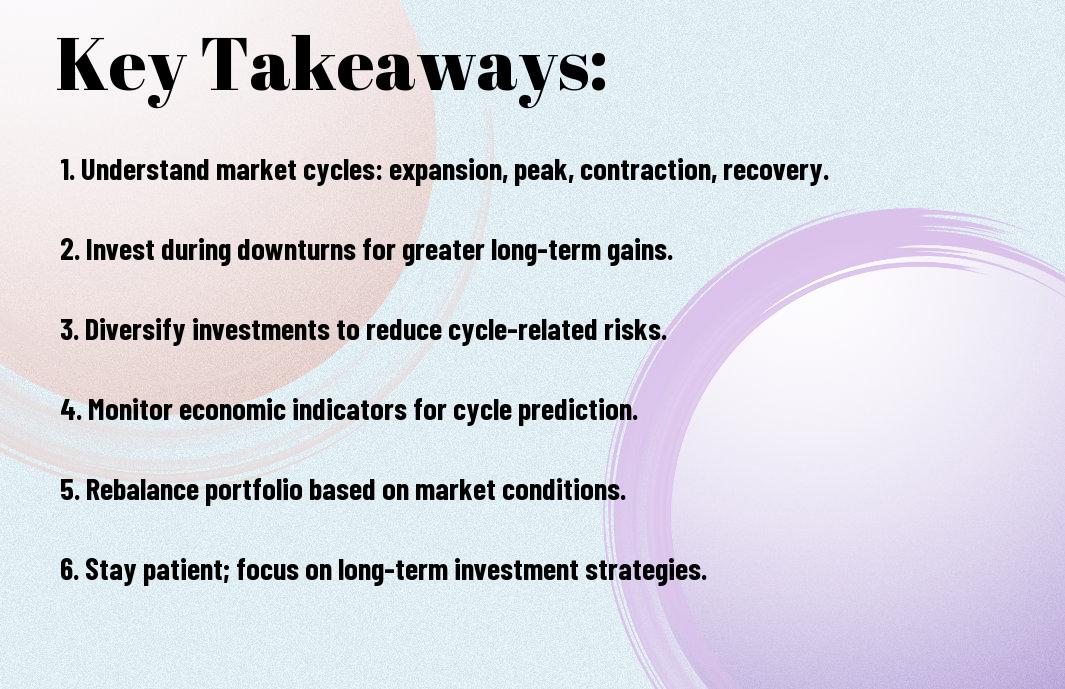
Key Takeaways:

  • Understanding Market Cycles: Familiarizing yourself with the various phases of market cycles—expansion, peak, contraction, and trough—can enhance investment timing and strategies.
  • Asset Allocation: Adjusting your portfolio allocation based on market conditions can help optimize returns; consider high-risk assets during expansions and safer investments during contractions.
  • Emotional Discipline: Staying rational and avoiding emotional reactions during market fluctuations can significantly improve investment decisions and overall performance.

Understanding Market Cycles

For successful investing, it is necessary for you to understand market cycles, which are the natural fluctuations of market conditions that impact asset prices. By identifying these cycles, you can strategically time your investments for optimal returns. Explore more on Leveraging Market Cycles for Maximum Returns to enhance your investment strategy.

Phases of Market Cycles

Market cycles can be divided into several distinct phases, including accumulation, markup, distribution, and markdown. Understanding each phase helps you make informed decisions that align with the cycle’s dynamics.

Historical Perspectives

Cycles have historically followed patterns driven by economic, political, and social factors. You can benefit from analyzing past market cycles to identify trends and behaviors that might inform your current investment strategies.

Historical analysis shows that markets typically experience periods of growth followed by declines, often influenced by interest rates, consumer confidence, and global events. By studying these trends, you can predict potential market movements and adjust your investment approach accordingly, making your portfolio more resilient in varying conditions.

Identifying Market Cycles

While understanding market cycles is necessary for making informed investment decisions, recognizing the phases of economic expansion and contraction can significantly enhance your investment strategy. By familiarizing yourself with the characteristics of these cycles, you position yourself to enter and exit positions at the most opportune times, ultimately maximizing your returns and minimizing risk.

Tools and Indicators

With a wide array of tools and indicators available, you can better identify market cycles and their corresponding phases. Utilizing chart patterns, technical indicators, and sentiment analysis enables you to gain valuable insights into market trends, helping you make well-informed decisions about your investments.

Economic Indicators to Watch

Tools like GDP growth rates, unemployment data, and consumer spending are necessary for recognizing economic shifts that signal the start or end of market cycles. By tracking these indicators, you can detect patterns of growth or contraction, allowing you to align your investment strategies with the current economic landscape.

Another important aspect of monitoring economic indicators is paying attention to leading indicators such as stock market performance, new housing starts, and manufacturing activity. These indicators often signal future economic performance and can provide early warnings about shifts in market cycles. Staying informed about these data points will enable you to capitalize on opportunities and adjust your portfolio in alignment with changing economic conditions.

Strategies for Leveraging Market Cycles

Many investors overlook the importance of adapting their strategies based on market cycles. By recognizing patterns and aligning your investment approach accordingly, you can capitalize on opportunities that arise during different phases of the economy. This means honing in on not only when to enter or exit positions but also adjusting your overall investment strategies to match the current market environment.

Timing Your Investments

By aligning your investment timing with recognized market cycles, you can position yourself to buy low and sell high. This requires patience and observance of market trends, allowing you to take advantage of mispriced assets as they rise and fall in value. Crafting your strategy around these cycles can significantly enhance your potential returns.

Asset Allocation Adjustments

Strategies that involve adjusting your asset allocation in response to market cycles can lead to better performance. This involves analyzing your current portfolio and reallocating assets to reflect the prevailing economic environment. Shifting your investments among stocks, bonds, and other asset classes based on market phases allows you to optimize returns while managing risk more effectively.

Even small adjustments in your asset allocation can yield significant results over time. For instance, during market expansions, you might allocate a higher percentage of your portfolio to equities to capture growth, while in downturns, shifting towards safer assets like bonds helps protect your wealth. Regularly reviewing and fine-tuning your allocation strategy ensures alignment with current market conditions, allowing you to navigate cycles with greater precision.

Risk Management During Market Cycles

Not all market fluctuations are predictable, which is why robust risk management is crucial for maximizing your investment returns. You should focus on strategies that suit your risk tolerance, including finding the right amount of leverage for your portfolio. By knowing when to adjust your exposure, you can effectively shield your investments from adverse market conditions, ultimately improving your portfolio’s performance.

Hedging Techniques

Before exploring into market cycles, consider implementing hedging techniques that can mitigate risks. Utilizing options, futures, or other derivative products allows you to protect your assets, ensuring that you’re shielded from significant downturns while maintaining your portfolio’s potential for growth.

Diversification Strategies

Techniques such as diversification can bolster your portfolio against the unpredictable nature of market cycles. By spreading your investments across various asset classes, sectors, and geographies, you minimize the impact of poor performance in any single area, enhancing overall stability and potential returns.

Considering the importance of diversification, you might explore different asset types such as stocks, bonds, real estate, and even commodities. This approach not only reduces volatility but also allows your portfolio to benefit from various market opportunities. As market conditions change, different asset classes may perform differently, providing a buffer against losses in downturns. Aim for a balanced mix that aligns with your financial goals and risk tolerance to achieve a more resilient investment strategy.

Case Studies: Successful Investors

For effective market cycle strategies, you can draw insights from successful investors who have excelled in navigating investment environments.

  • Warren Buffett: Achieved a 20% annual return by buying undervalued stocks during bearish markets.
  • Ray Dalio: Utilized economic data to forecast market cycles, delivering a consistent return of over 8% annually.
  • Carl Icahn: Targeted distressed companies during downturns, generating an average return of 10% above the market index.
  • Peter Lynch: Exploited growth companies during recovering markets, achieving average annual returns of 29% in the 1980s.

Learning from Market Leaders

Around every corner of the investment landscape, you’ll find leaders who have utilized market cycles to their advantage. Their strategies often involve research, discipline, and risk management, enabling them to make informed decisions that result in impressive returns. By studying their approaches, you can discover valuable techniques to enhance your own investment strategies.

Common Mistakes to Avoid

From novice to seasoned investors, everyone can fall into traps that undermine their success. Some of these mistakes include not performing due diligence during various market cycles, failing to adjust your strategy based on changing economic indicators, and letting emotions dictate your investment decisions.

Common pitfalls often stem from a lack of preparation or reliance on market predictions instead of personal analysis. You may find yourself overreacting to temporary market fluctuations, leading to impulsive buying or selling decisions. Additionally, sticking to a rigid strategy without considering current market conditions can result in missed opportunities or significant losses. Guarding against these mistakes will enhance your ability to leverage market cycles effectively.

Future Outlook on Market Cycles

Your understanding of market cycles will be paramount as you navigate the ever-evolving landscape of investing. While the past can provide valuable insights, the future remains filled with uncertainties. Factors such as technological advancements, geopolitical shifts, and economic policies will shape the next wave of market movements. Staying ahead of these trends will empower you to adjust your strategies and enhance your investment returns.

Predicting Market Trends

Behind every market cycle lies a series of indicators that can help you anticipate future movements. While predicting exact market turns is challenging, a close analysis of historical data, economic fundamentals, and social sentiment can offer clues to emerging trends. By staying informed and vigilant, you position yourself to better recognize opportunities as they arise.

Adapting Strategies for Change

Market dynamics necessitate continuous adjustment of your investment strategies to stay relevant and effective.

This flexibility allows you to align your portfolio with shifting market conditions and make informed decisions, minimizing risks while maximizing growth potential. Utilizing tools such as stop-loss orders and diversification can cushion your assets against volatility. Additionally, embracing a learning mindset will enable you to refine your approaches based on new information and evolving market behaviors, ensuring you are well-prepared for whatever the future holds.

Conclusion

With this in mind, understanding market cycles empowers you to make informed investment decisions that can enhance your returns. By recognizing the stages of cycles—expansion, peak, contraction, and trough—you can strategically position your portfolio to exploit opportunities and mitigate risks. Tailoring your investment strategy according to these cycles, whether by diversifying or reallocating assets, enables you to optimize your financial growth and achieve your long-term financial goals.

FAQ

Q: What are market cycles and how do they impact investment strategies?

A: Market cycles refer to the fluctuations of asset prices over time, which typically include periods of expansion (bull markets) and contraction (bear markets). Understanding these cycles helps investors make informed decisions. By identifying the stage of the market cycle, investors can adjust their strategies—such as increasing equity exposure during bull markets or shifting to safer assets during bear markets—ultimately leading to better investment returns.

Q: How can I identify the phase of a market cycle?

A: Identifying the phase of a market cycle involves analyzing various economic indicators and market behavior. Key indicators include GDP growth, unemployment rates, interest rates, and consumer confidence levels. Additionally, observing market sentiment and price trends can provide insights. Tools like technical analysis charts and economic reports can assist in determining whether the market is in expansion, peak, contraction, or trough phases, thereby guiding investment decisions accordingly.

Q: What strategies can be adopted to benefit from different market cycles?

A: Depending on the market cycle, investors can adopt various strategies. In a bull market, strategies like buying growth stocks, leveraging options, or investing in cyclical sectors may yield high returns. Conversely, in a bear market, safeguarding investments through defensive stocks, bonds, or alternative assets can help preserve capital. Additionally, adopting a value investing approach by purchasing undervalued assets during market downturns can result in significant long-term gains when the market rebounds.

The Importance of an Exit Strategy in Business Planning

Just as you set goals for growth and success in your business, you must also consider how you will exit when the time comes. An exit strategy is a vital component of your business plan, providing you with a clear roadmap for the future. It helps you minimize risks, maximize value, and ensure a smooth transition, whether you plan to sell, pass on ownership, or close your operations. By understanding the significance of an exit strategy, you can better position yourself for long-term success and peace of mind.

Key Takeaways:

  • Vision: An effective exit strategy provides a clear vision for the business’s future, guiding decision-making and setting long-term goals.
  • Value: Planning for an exit can significantly enhance the value of the business, attracting potential buyers and investors by demonstrating a well-thought-out path forward.
  • Risk Management: Having an exit strategy in place allows business owners to mitigate risks and navigate unexpected challenges, ensuring smoother transitions when the time comes to exit.

Understanding Exit Strategies

The landscape of business is ever-changing, and an exit strategy becomes a vital aspect of your planning process. By having a clear exit strategy, you can adapt to market conditions and your personal circumstances, ensuring that your business can transition smoothly when the time comes to move on. This preparation not only impacts your financial future but also safeguards the legacy of your business.

Definition and Purpose

On its most basic level, an exit strategy is a plan you create for the eventual transition out of your business. Its primary purpose is to help you maximize your investment and ensure a smooth transition when you decide to sell, pass on, or close your business. By clearly defining your desired outcome, you can make informed decisions along the way.

Types of Exit Strategies

By exploring different exit strategies, you can find the one that aligns best with your goals. Each strategy serves specific purposes and has benefits that can cater to your unique situation:

Type of Exit Strategy Description
Merger or Acquisition Combining with another company or being purchased.
Initial Public Offering (IPO) Going public and selling shares to investors.
Sell to Family or Employees Transitioning ownership to family members or key employees.
Liquidation Selling off assets and closing the business.
Franchising Allowing others to operate your business model.

Assume that you evaluate each option thoroughly to determine what fits best for your circumstances. It’s necessary to factor in how each strategy affects your business’s value and legacy.

But understanding the nuances of various exit strategies can enhance your approach. Your decision might hinge on your financial goals, time frame for exit, and the current market landscape. Here’s a deeper look into the advantages of each:

Type of Exit Strategy Advantage
Merger or Acquisition Instant capital and business growth opportunities.
Initial Public Offering (IPO) Access to a larger pool of capital.
Sell to Family or Employees Maintains the company culture and continuity.
Liquidation Quick recovery of funds.
Franchising Expand your business brand with lower investment.

Assume that you carefully weigh the advantages and challenges of each strategy to make an informed choice that aligns with your vision for the future.

The Role of Exit Strategies in Business Planning

You need to understand that an exit strategy is a vital component of your business planning process. It serves as a roadmap for how you will ultimately leave the business, whether through a sale, merger, or other means. By having a clear exit plan, you can make informed decisions that align with your long-term goals. For more insights, check out The Importance of Having a Startup Exit Strategy.

Risk Management

One effective exit strategy allows you to mitigate risks associated with your business. By preparing for potential challenges and outlining a clear trajectory for your departure, you can better navigate uncertainties and safeguard your investment.

Financial Security

Around your exit strategy lies the potential for financial security. Planning your exit ensures that you maximize the value of your business and create a safety net for your future endeavors.

Risk persists in every venture, and an exit strategy helps you confront these uncertainties proactively. By strategizing effectively, you can optimize your business’s value, allowing you to secure the financial rewards that come from your hard work. This foresight not only prepares you for potential market downturns but also enables a smooth transition as you hand over the reins, facilitating a financial cushion for your next steps.

Timing Your Exit Strategy

Not considering the timing of your exit strategy can lead to missed opportunities and suboptimal outcomes for your business. Proper timing is crucial to maximizing your returns and ensuring a smooth transition, so it’s vital to assess market conditions, business performance, and personal readiness to make decisions that align with your long-term goals.

When to Start Planning

Your exit strategy should not be an afterthought; planning should begin as soon as you start your business. By integrating exit considerations from the outset, you can create a roadmap that aligns your business growth with your down-the-road objectives and makes the eventual selling process more seamless.

Key Indicators for an Exit

Any successful exit strategy is informed by specific key indicators that signal when it may be time to sell or make an exit. These indicators can include market conditions, financial performance, personal circumstances, and industry trends that impact your business’s value.

In addition to these factors, consider the competitive landscape and any potential offers from buyers, as these can further inform your decision. Regularly evaluating your business performance metrics, like revenue growth and profit margins, will also guide you in determining if it’s the right moment to exit. Keeping an eye on industry changes can provide you with the insights needed to act decisively when the time comes.

Communicating Your Exit Strategy

After developing your exit strategy, effective communication is imperative to ensure all stakeholders understand your intentions. Clear communication helps align expectations and fosters trust among those involved. Whether discussing transitions with partners, employees, or investors, being transparent about your plans will enable a smoother exit process and ensure that your vision is shared and understood. This proactive approach minimizes the likelihood of misunderstandings and sets the stage for a successful transition.

Internal Communication

Besides informing external stakeholders, you should prioritize clear communication with your team. Keeping your employees informed about your exit strategy encourages their involvement and reduces anxiety about potential changes.

External Stakeholders

External stakeholders are integral to your business’s operations and should be informed about your exit strategy as well. Engaging with them early helps mitigate any concerns, providing a smooth transition during the exit process.

It allows you to set expectations clearly and addresses any questions or uncertainties they might have. Stakeholders such as investors, suppliers, and customers may need reassurance regarding their ongoing relationship with your business. By articulating your plans, you can foster confidence in your strategy, ensuring that external collaborations remain strong and uninterrupted throughout the transition.

Case Studies: Successful Exit Strategies

For understanding the impact of well-planned exit strategies, consider these successful case studies:

  • 1. WhatsApp: Acquired by Facebook for $19 billion, showcasing the value of a strategic exit.
  • 2. Instagram: Sold to Facebook for $1 billion, underlining the importance of timing and vision.
  • 3. YouTube: Acquired by Google for $1.65 billion, demonstrating effective monetization and growth potential.
  • 4. LinkedIn: Purchased by Microsoft for $26.2 billion, emphasizing the integration of synergies.
  • 5. Zappos: Bought by Amazon for $1.2 billion, illustrating successful branding leading to a favorable exit.

For more insights, check out 10 Reasons Why Your Exit Strategy Is as Important ….

High-Profile Exits

Across the business landscape, high-profile exits illustrate the economic potential of a well-executed exit strategy. Companies like WhatsApp and Instagram not only achieved remarkable valuations but also set benchmarks for strategic planning and market readiness, making them significant examples for entrepreneurs aiming for successful outcomes.

Lessons Learned

To build a valuable exit strategy, consider the lessons learned from prominent cases. Many entrepreneurs overlook the importance of timing, market readiness, and understanding the value of their business. Recognizing these aspects early improves your chances of a successful transition.

Case studies reveal that meticulous planning and market awareness are integral to crafting a successful exit strategy. They show that business owners who regularly evaluate their company’s position and potential can be better prepared to seize lucrative opportunities when they arise. By analyzing these outcomes, you can gain insights that will assist you in navigating your own business exit effectively.

Common Mistakes in Exit Strategy Planning

To achieve a successful exit, it’s crucial to avoid common pitfalls in your planning. Many business owners underestimate the complexity involved, which can lead to a lack of preparation. Failing to develop a comprehensive exit strategy can detrimentally impact your financial outcomes and personal goals. You need to be aware of these mistakes to ensure you maximize your business’s value and transition effectively when the time comes.

Overlooking Market Conditions

The state of the market can significantly influence your exit strategy. Many entrepreneurs fail to assess current economic trends and industry developments, which can result in unrealistic expectations for their business’s value. Understanding market conditions allows you to time your exit appropriately and negotiate better deals with potential buyers.

Neglecting Legal Considerations

After outlining your exit strategy, it’s easy to overlook the legal implications involved in the transition. Business ownership transfers come with various legal obligations, and neglecting these aspects may result in costly disputes or delays. You need to ensure that your exit plan aligns with all regulatory requirements and contractual obligations to avoid any hurdles during the process.

Indeed, being aware of legal considerations is paramount. This includes understanding tax implications, contract terms, and potential liabilities that may arise during the transition. Engaging a legal professional early in the planning process can help you navigate the complexities and safeguard against any legal issues that could jeopardize your exit strategy. By proactively addressing these considerations, you’ll create a smoother path to achieving your business goals.

Final Words

Following this, it is necessary for you to recognize that an exit strategy is a vital component of your business planning. By developing a clear exit strategy, you not only prepare yourself for future changes but also ensure the long-term sustainability of your business. Whether you plan to sell, pass on, or shut down, having a structured approach will help you maximize value and minimize risks. Prioritize this aspect of your planning to secure your success and peace of mind in the ever-evolving business landscape.

Q: What is an exit strategy and why is it important in business planning?

A: An exit strategy is a planned approach to selling, transferring, or closing a business in a manner that maximizes financial outcomes for the owners. It is important in business planning because it helps business owners define their long-term goals and prepares them for potential changes in circumstances, whether they plan to sell their business, pass it on to family members, or merge with another company. Having a clear exit strategy also aids in attracting investors, as it demonstrates that the owners are thinking ahead and have a plan in place to realize the value of their investment.

Q: How does an exit strategy affect investor relationships?

A: An exit strategy can significantly influence investor relationships by establishing trust and confidence. Investors are more likely to invest in a business that has a well-defined exit strategy because it shows that the owners have a clear plan for growth and profitability that includes a pathway for returns on investment. Moreover, a solid exit plan allows for transparency in discussions about future potential, making it easier for investors to assess risks and rewards associated with their investment. This strategic clarity can enhance negotiations and lead to better investment terms.

Q: How can a business owner develop an effective exit strategy?

A: Developing an effective exit strategy requires a thorough assessment of both the business and personal goals of the owner. Business owners should begin by conducting a comprehensive analysis of their business’s financial health, market position, and operational capabilities. They should also consider various exit options such as selling to a third party, passing the business to family members, or even initial public offerings (IPOs) if applicable. Seeking advice from financial advisors, legal professionals, and experienced mentors can provide valuable insights. Importantly, business owners should regularly review and update their exit strategy to reflect changing market conditions and personal circumstances.

How to Build Your Personal Brand as an Entrepreneur

Branding yourself effectively is imperative for your success as an entrepreneur. A well-defined personal brand not only sets you apart in a competitive landscape but also communicates your unique value to potential clients and partners. In this guide, you’ll discover actionable strategies to cultivate your personal brand, enhance your online presence, and foster authentic connections that align with your entrepreneurial goals. Let’s get started on the journey to elevate your brand and make a lasting impression in your industry.

Key Takeaways:

  • Identify Your Unique Value Proposition: Understand what sets you apart as an entrepreneur and communicate that through your personal brand.
  • Leverage Social Media: Use platforms like LinkedIn, Instagram, and Twitter to share your journey, expertise, and insights to connect with your audience.
  • Consistency is Key: Maintain a cohesive message and visual identity across all channels to build recognition and trust with your audience.

Understanding Personal Branding

While navigating your entrepreneurial journey, it’s vital to grasp the concept of personal branding. Your personal brand sets you apart and establishes your identity in a crowded market. If you were to start building your personal brand from 0, consider exploring discussions on platforms like Reddit to gather insights and tips from other entrepreneurs.

Defining Personal Brand

An effective personal brand represents the unique combination of skills, experiences, and values that you bring to the table. It is how others perceive you and your business, shaped by your actions, presence, and interactions. Your personal brand should reflect your authentic self, resonating with your target audience.

The Importance of Personal Branding for Entrepreneurs

Besides differentiating you from competitors, personal branding plays a significant role in establishing trust and credibility in your industry. By creating a strong personal brand, you cultivate a loyal audience who values your expertise and insights, ultimately leading to increased opportunities and growth for your business.

It also enhances your visibility and reach, allowing you to connect with like-minded individuals, potential customers, and collaborators. A well-defined personal brand can open doors to partnerships, speaking engagements, and media features, amplifying your influence and elevating your entrepreneurial journey.

Identifying Your Unique Value Proposition

Clearly, discovering your unique value proposition is important to distinguishing yourself in a crowded market. You must articulate what makes your offerings different and how they solve specific problems for your target audience. By clearly defining your value proposition, you position yourself as a go-to resource for your niche, making it easier for potential clients to understand why they should choose your brand over others.

Discovering Your Strengths

Value your unique strengths and skills as an entrepreneur, as they form the foundation of your brand. Take time to assess what you do best and how those abilities can benefit your audience. Consider seeking feedback from trusted peers or mentors, as they can provide insights into your greatest strengths, helping you strategically showcase them in your personal branding efforts.

Aligning Your Brand with Your Values

By establishing a genuine connection between your brand and your core values, you foster authenticity and trust with your audience. When your personal ethics and mission resonate through your brand messaging and interactions, clients are more likely to feel aligned with your vision and become loyal advocates. A values-driven brand not only attracts the right clients but also ensures consistent decision-making that reflects your true self.

It’s important to take the time to identify what truly matters to you, whether it’s sustainability, innovation, or social responsibility. By weaving these values into your branding, you create a cohesive narrative that reflects your true self. This alignment will guide your choices, from the way you communicate with potential clients to the kinds of projects you choose to pursue, ultimately building a more authentic and impactful personal brand.

Building Your Online Presence

For any entrepreneur today, establishing an online presence is important for effectively communicating your personal brand. Your digital footprint is often the first interaction potential clients or partners have with you, making it vital to curate a professional and engaging online image. Invest time in showcasing your expertise and authentic self through various online platforms to create meaningful connections and enhance your credibility in the marketplace.

Creating a Professional Website

Above all, having a professional website serves as the cornerstone of your online presence. This should represent your brand identity and offer potential clients insight into your services, values, and personality. Ensure it’s easy to navigate and includes important components like an ‘About’ page, a portfolio section, and a clear contact form. A well-crafted website establishes trust and acts as a powerful marketing tool for your entrepreneurial journey.

Leveraging Social Media Platforms

An effective way to boost your online presence is by leveraging social media platforms to connect with your target audience. Utilize platforms like LinkedIn, Instagram, and Twitter to share valuable content, showcase your expertise, and engage with your community in real-time.

The key to successful social media engagement lies in creating authentic connections. Regularly post updates that reflect your brand values, share industry insights, and participate in relevant conversations. Use visuals and storytelling to enhance your outreach, and encourage interaction through comments and shares. By actively engaging with your audience, you build loyalty while positioning yourself as a thought leader in your field.

Networking and Relationship Building

After establishing your brand vision, the next step is to focus on networking and relationship building. Engaging with others in your industry allows you to expand your reach and enhance your credibility. Attend events, join social media groups, and actively participate in discussions. Building genuine relationships will significantly contribute to your personal brand’s strength, as people are more likely to support and recommend you when they know you personally.

Finding Your Community

Across various platforms, you can discover communities that resonate with your interests and goals. Look for forums, social media groups, or local meetups that cater to your niche. These spaces offer opportunities to connect with like-minded individuals, share experiences, and gain valuable insights. By investing time in cultivating these relationships, you can create a supportive network that uplifts and inspires your entrepreneurial journey.

Engaging with Influencers

Engaging with influencers in your industry can amplify your personal brand and open doors to new opportunities. By following their work and interacting with their content, you can start to build a relationship that could lead to collaborations or mentorship. Comment on their posts, share their content, and reach out directly with thoughtful messages, offering your insights or asking for advice. These connections not only enhance your visibility but also show that you are proactive and invested in your field.

This kind of engagement is about building authentic relationships rather than simply seeking favors. Approach influencers with genuine interest and appreciation for their work. Participate in their online discussions and contribute value wherever possible. When you build your brand by establishing connections based on mutual respect, you increase your chances of creating meaningful partnerships that can benefit both parties in the long run.

Content Creation and Storytelling

Once again, harnessing the power of content creation and storytelling is necessary for building your personal brand. By sharing insights, experiences, and knowledge through various formats—such as blogs, videos, or podcasts—you can connect with your audience on a deeper level. This not only positions you as an authority in your field but also fosters a loyal community that resonates with your brand’s values and mission.

Developing Your Brand Voice

On your journey as an entrepreneur, developing your brand voice is vital for authentic communication. This voice should reflect your personality, values, and vision. Consistency in tone and style across all platforms will help your audience identify and relate to your brand, creating a coherent identity that resonates with them.

Crafting Compelling Narratives

Against a backdrop of endless noise in the entrepreneurship landscape, crafting compelling narratives can set you apart. Stories have the power to evoke emotions, build connections, and convey your brand’s mission in an engaging way. By weaving personal experiences and anecdotes into your content, you create relatable and memorable messages that resonate with your audience.

But crafting these narratives requires a thoughtful approach. Start with identifying the core message you want to communicate, then think about how your experiences shape that message. Share challenges you faced and lessons learned, allowing your audience to see your journey as relatable and inspiring. This authentic sharing not only humanizes your brand but also encourages trust and loyalty among your followers.

Monitoring and Evolving Your Brand

Despite the effort you put into creating a personal brand, it’s crucial to regularly monitor its effectiveness and make necessary adjustments. Keeping an eye on how your audience perceives you will enable you to make informed decisions for improvement. For a comprehensive guide, check out How to Build a Personal Brand to Skyrocket Your Business, which offers valuable insights on brand evolution.

Gathering Feedback

About gathering feedback; it’s a fundamental step in understanding how your brand resonates with your audience. Use surveys, social media polls, and direct engagement to collect insights from your followers. This information provides a clearer perspective on your brand’s strengths and areas that might need enhancement.

Adapting to Industry Changes

Feedback is pivotal in helping you stay relevant in a constantly evolving marketplace. Regularly assess industry trends and shifts to ensure your brand message aligns with current demands. Being adaptable not only strengthens your personal brand but also helps you maintain a competitive edge.

Changes in the industry can directly impact your personal brand, so staying informed and willing to adjust is vital. Subscribe to industry newsletters, attend webinars, and network with fellow entrepreneurs to anticipate shifts that could affect your positioning. By proactively evolving your brand, you not only keep it fresh and relevant but also show your audience that you are committed to growth and improvement.

Final Words

To wrap up, building your personal brand as an entrepreneur involves a strategic blend of authenticity, consistency, and visibility. Start by clearly defining your values and mission, and communicate these effectively through various platforms. Engage actively with your audience to foster trust and connection, while continuously refining your brand based on feedback and evolving trends. As you cultivate your presence, always remain true to yourself, allowing your unique qualities to shine through. A strong personal brand not only enhances your credibility but also opens doors to new opportunities.

Q: What are the first steps to start building my personal brand as an entrepreneur?

A: To begin building your personal brand, identify your unique value proposition. Consider your skills, passions, and the audience you want to reach. Establish a consistent online presence by setting up professional social media profiles and a personal website that reflects your brand. Share content that aligns with your expertise and interests, such as blog posts, videos, or podcasts. This allows you to present your knowledge and connect with your target audience effectively.

Q: How can I leverage social media to enhance my personal brand?

A: Social media is a powerful tool for personal branding. Start by choosing platforms that resonate with your target audience, such as LinkedIn for professional networking or Instagram for a more visual approach. Create a content strategy that showcases your expertise, shares insights from your entrepreneurial journey, and engages your audience through interactive posts. Consistency is key, so aim to post regularly and engage with your followers to build relationships and establish credibility.

Q: What role does networking play in developing my personal brand?

A: Networking is necessary in building your personal brand as it allows you to create connections that can lead to potential collaborations, partnerships, and opportunities. Attend industry events, conferences, and workshops to meet like-minded entrepreneurs and mentors. Building genuine relationships can enhance your visibility and strengthen your reputation within your field. Additionally, consider engaging in online communities or forums where you can share your expertise and connect with other professionals.

Skip to content