Business Investing

How to Transition from Employee to Entrepreneur

You might be contemplating the changes that come with leaving your secure job to pursue entrepreneurship. This transition requires careful planning and a shift in mindset, but with the right approach, you can navigate this journey successfully. Explore Four Ways to Transition from Employee to Entrepreneur to help you strategize your next steps and turn your business aspirations into a fulfilling reality.

Key Takeaways:

  • Planning: Develop a solid business plan that outlines your vision, goals, and strategies for transitioning smoothly.
  • Networking: Build a reliable support system by connecting with other entrepreneurs and industry professionals who can provide guidance and resources.
  • Financial Preparation: Ensure you have a financial buffer to sustain yourself during the initial phase of your entrepreneurial journey.

Understanding the Mindset Shift

Before begining on your journey as an entrepreneur, you must recognize the significant mindset shift required. Transitioning from being an employee to running your own business means moving from a structured environment with clear guidelines to a world filled with uncertainties and opportunities. Embracing this new mindset prepares you for the challenges ahead and empowers you to forge your own path. You have to be willing to think differently and embrace a new way of approaching problems and solutions.

Embracing Risk and Uncertainty

Along your entrepreneurial journey, you’ll encounter risks and uncertainties that you may not face as an employee. Learn to view these challenges as opportunities for growth rather than obstacles to avoid. Embracing risk is imperative for developing resilience and adaptability, traits that will serve you well as you navigate the unpredictable waters of entrepreneurship.

Developing an Entrepreneurial Attitude

Between being an employee and an entrepreneur lies the development of a proactive and innovative attitude. You need to cultivate the belief that you have the capacity to influence outcomes and create opportunities. This mindset encourages you to seek solutions and embrace creativity, allowing you to thrive in the competitive landscape of business.

The entrepreneurial attitude involves a commitment to lifelong learning and self-improvement. It encourages you to adopt a forward-thinking approach, constantly questioning how things can be done better. Developing a strong sense of ownership over your dreams and challenges will empower you to take bold actions. Additionally, fostering a strong network of mentors and peers can significantly enhance your entrepreneurial mindset, providing you with guidance and support throughout your journey.

Assessing Your Skills and Strengths

Some of the most successful entrepreneurs begin by taking stock of their abilities. Understanding your skills and strengths can provide a solid foundation for your new venture. This self-assessment will not only highlight areas of expertise but also point towards potential gaps that may need to be filled before launching your business. By assessing your capabilities, you can make more informed decisions about your entrepreneurial journey.

Identifying Transferable Skills

Your strengths from previous employment may include communication, problem-solving, and leadership—qualities that are valuable in entrepreneurship. By identifying these transferable skills, you can leverage them in your own business. These skills can set the tone for how you interact with clients, manage a team, or strategize for growth, ensuring that your transition is smoother and more effective.

Building Necessary Entrepreneurial Skills

Between your existing skills and what you need to learn lies a critical space for growth. As an entrepreneur, you may need to develop skills in finance, marketing, and operations—areas that might not have been part of your previous roles. This will help you navigate the challenges that come with running a business and adapt to the ever-changing market demands.

A proactive approach to building entrepreneurial skills can significantly enhance your chances of success. Consider enrolling in workshops, seeking mentorship, or consuming educational content related to business management and strategy. Networking with other entrepreneurs can also provide insight and practical advice. As you cultivate these skills, the confidence you gain will empower you to tackle the complexities of entrepreneurship, paving the way for a successful transition from employee to entrepreneur.

Creating a Business Plan

Unlike the structure of an employee’s role, transitioning to entrepreneurship requires you to create a comprehensive business plan. This document serves as a roadmap, guiding your decisions and helping you measure progress. It encompasses everything from your business idea to financial projections, making it vital for refining your vision and anticipating possible challenges along the way.

Defining Your Business Idea

Plan to articulate your business idea clearly and concisely. A well-defined concept reflects your passion and intent, distinguishing your venture in a competitive market. Consider factors such as the problem your business solves, your target audience, and what makes your offering unique. This foundation will guide you in shaping your strategies and building a successful enterprise.

Outlining Your Strategies and Goals

Beside defining your idea, it’s important to outline specific strategies and goals that will drive your business forward. Establish short- and long-term objectives, alongside actionable steps to achieve them. This clarity will not only help you stay focused but also allow you to adapt as circumstances evolve.

Strategies play a pivotal role in steering your business towards success. Break down your goals into measurable milestones, ensuring each strategy aligns with your overarching vision. Consider marketing approaches, financial management practices, and operational efficiencies. A well-thought-out plan for strategies allows you to remain flexible while keeping you accountable in your entrepreneurial journey.

Financial Planning for Entrepreneurs

For every aspiring entrepreneur, understanding the landscape of financial planning is necessary to ensure your venture’s sustainability and growth. Being proactive with your finances will enable you to make informed decisions and manage risks effectively as you transition from being an employee to a business owner. Establishing a solid financial foundation will provide you with the confidence to pursue your entrepreneurial dreams while safeguarding your personal and professional finances.

Budgeting and Saving

By creating a budget that outlines your expected income and expenses, you can accurately gauge your financial health. Setting aside savings specifically for your business expenses will help you navigate the uncertainty that accompanies entrepreneurship. Adopting a frugal lifestyle during this transition will allow you to conserve your resources and invest them wisely in your nascent venture.

Finding Funding Sources

Between personal savings, loans, and crowdfunding, exploring various funding sources can significantly enhance your capital options when starting your business. Consider tapping into friends and family, applying for bank loans, or seeking out investors who share your vision. Each funding avenue has its pros and cons; thus, conducting thorough research is vital to identify which options best align with your business goals.

Further, reaching out to local business incubators and entrepreneurial networks can introduce you to potential funding sources and invaluable mentorship opportunities. Exploring grants and competitions specifically designed for startups can provide you with additional financial support without the burden of repayment. Developing a solid pitch and business plan will help you convey your vision effectively to potential investors or lenders, increasing your chances of securing the necessary funds to thrive as an entrepreneur.

Building Your Network

Not having a strong network can hinder your transition from employee to entrepreneur. Cultivating relationships with diverse professionals not only opens up potential collaboration opportunities but also provides guidance as you navigate your new entrepreneurial journey. Prioritize networking by attending industry events, leveraging social media platforms, and reaching out to former colleagues who inspire you.

Leveraging Professional Connections

Below are suggestions for utilizing your existing professional connections. Start by reconnecting with former colleagues, mentors, and industry peers. Let them know about your entrepreneurial endeavors, and seek advice or insights. Many in your network may be willing to collaborate, offer support, or connect you with valuable resources that can help you grow your business.

Joining Entrepreneurial Communities

Above all, becoming part of entrepreneurial communities can provide you with crucial resources and support. Engage with local business groups, online forums, and networking events focused on entrepreneurship. These communities often share insights, mentorship opportunities, and access to potential investors, which can be instrumental in your journey. You’ll find that these connections can lead to incredible opportunities to collaborate, learn, and grow your business.

Your involvement in entrepreneurial communities can significantly expand your perspective and resources. They offer a vibrant environment where you can exchange ideas, share challenges, and find solutions with like-minded individuals. Being active in these spaces also increases your visibility in the entrepreneurial world, allowing you to build relationships that can propel your business forward while providing valuable feedback from experienced entrepreneurs.

Taking the Leap

Your decision to shift from employee to entrepreneur is a monumental step that requires courage and clarity. Embrace this change by assessing your passions, skills, and the potential market fit for your business idea. Understand that while the journey may be challenging, it also holds the promise of greater autonomy and fulfillment. Cultivating a positive mindset and fostering the right connections will provide you with the support you need as you begin on this exciting new chapter.

Setting a Transition Timeline

On your journey to entrepreneurship, creating a transition timeline is beneficial for organizing your plans and managing expectations. Start by outlining key milestones, such as developing your business concept, securing funding, and launching your product or service. Having a realistic timeline keeps you focused and ensures you’re taking consistent steps towards your goal, transforming your aspirations into actionable objectives.

Launching Your Business

Any new entrepreneur must recognize that launching a business is a process that goes beyond just putting your idea into action. It involves strategic planning, market research, building a brand, and setting up the necessary infrastructure to support operations.

At this stage, it’s important to create a detailed business plan that outlines your vision, target audience, and marketing strategies. Make sure to validate your idea by conducting thorough market research and seeking feedback from potential customers. Consider your financial options, such as self-funding or applying for loans and grants. Finally, once you have the foundational elements in place, establish a launch strategy that generates excitement and attracts your initial customers. A successful launch will set the tone for your business’s future trajectory.

Final Words

With this in mind, transitioning from employee to entrepreneur requires careful planning and a strategic mindset. You should assess your skills, build a strong network, and create a detailed business plan that outlines your goals and objectives. As you make this shift, embrace the learning process and be prepared to adapt to the challenges ahead. By staying focused on your vision and leveraging your existing resources, you can successfully navigate this journey and create a fulfilling entrepreneurial career that aligns with your passions and ambitions.

FAQ

Q: What steps should I take to prepare for the transition from employee to entrepreneur?

A: Transitioning from being an employee to starting your own business requires careful planning. Begin by assessing your financial situation to ensure you have a safety net for the initial months. Research the market for your business idea to understand customer needs and competitive strategies. Network with other entrepreneurs to gain insights and advice. It’s also beneficial to develop a business plan outlining your vision, objectives, and the steps to achieve them. Lastly, consider starting your side hustle while still employed to test your concept with minimal risk.

Q: How can I manage the fear of leaving a stable job to start my own business?

A: Fear of the unknown is common when leaving a stable job. To mitigate this fear, educate yourself about entrepreneurship by reading books, attending workshops, or listening to podcasts. Build a support system of family and friends to encourage you during this transition. Practicing risk management, such as saving a financial buffer or starting your business part-time, can also alleviate fears. Focus on developing a mindset that embraces change and sees challenges as opportunities for growth.

Q: What skills should I develop to become a successful entrepreneur?

A: As you shift to entrepreneurship, focus on developing a diverse set of skills. Essential skills include business management, financial literacy, marketing, and sales. Building strong communication and negotiation abilities is also vital, as these will help in networking and closing deals. Embracing technology and learning about online tools can streamline operations and reach more customers efficiently. It’s important to stay adaptable and continue learning, as the business landscape can change rapidly.

The Role of Cryptocurrency in Modern Investment Portfolios

Just as traditional investments have evolved over the years, so too has the landscape of modern portfolios with the inclusion of cryptocurrency. By understanding the potential impacts and benefits of incorporating digital assets into your investment strategy, you can enhance diversification and navigate market volatility. This guide will equip you with the important knowledge to evaluate how cryptocurrencies can fit seamlessly into your financial goals, providing insights to help you make informed decisions as you explore this innovative asset class.

Key Takeaways:

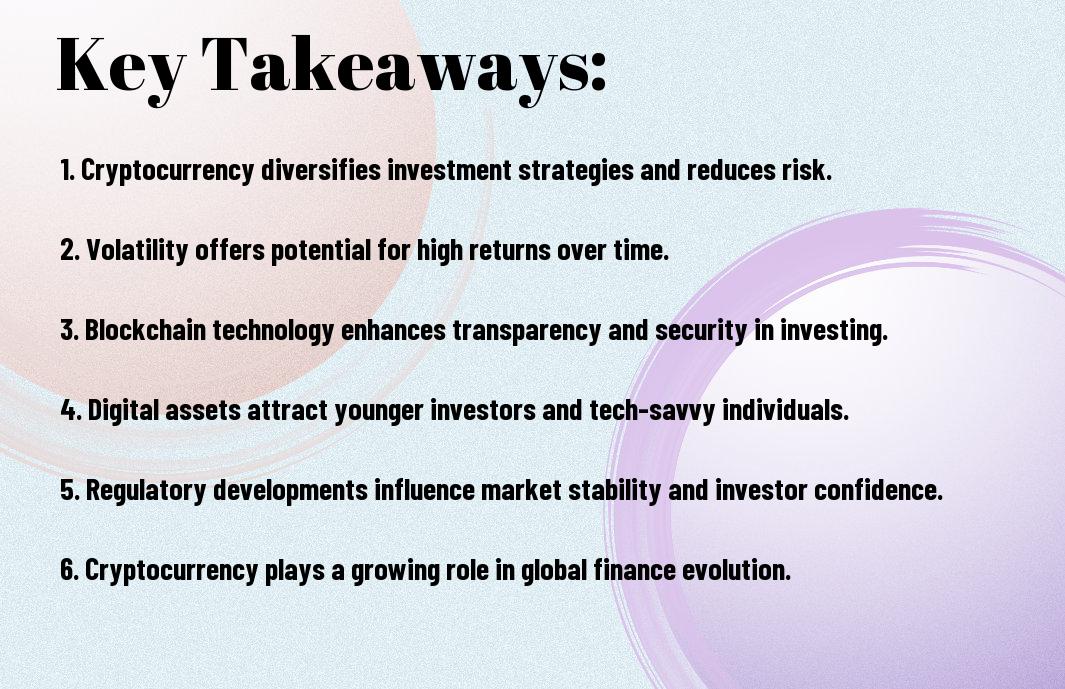
  • Diversification: Incorporating cryptocurrency into investment portfolios can lead to better diversification, as it often behaves differently than traditional assets like stocks and bonds.
  • Volatility: While cryptocurrencies have the potential for high returns, they also come with significant volatility, impacting overall risk levels in investment strategies.
  • Long-term Perspective: Investors are encouraged to take a long-term perspective when adding cryptocurrency to their portfolios, considering its emerging status and potential for growth over time.

Understanding Cryptocurrency

While traditional currencies have been the go-to investment for many, cryptocurrency has revolutionized the financial landscape, offering new opportunities. As a digital asset designed to work as a medium of exchange, cryptocurrencies are decentralized and operate on innovative technologies. You may find their value fluctuating dramatically, which can present both risks and rewards.

Definition and Types of Cryptocurrency

Against the backdrop of digital evolution, cryptocurrencies represent a novel form of currency and investment. Here are some key types you should know:

  • Bitcoin
  • Ethereum
  • Ripple
  • Litecoin
  • Stablecoins

The variety of cryptocurrencies can serve unique purposes and appeal to different investor profiles.

Mechanisms of Blockchain Technology

Any discussion of cryptocurrency would be incomplete without understanding the technology behind it. Blockchain serves as the foundational framework for cryptocurrencies, ensuring transparency and security through a decentralized ledger. This technology allows you to track transactions with confidence of their authenticity.

Mechanisms of blockchain facilitate the authentication and validation of transactions through a consensus process. Each transaction forms a block in a chain, which is then verified by a network of computers (nodes) rather than a single central authority. This decentralized approach eliminates vulnerabilities associated with traditional financial systems, granting you increased control over your assets and ensuring the integrity of your investment. You can engage with this technology for both security and opportunity within your investment strategy.

Crypto as an Asset Class

Any investment portfolio today should consider the growing importance of cryptocurrency as a distinct asset class. With its unique characteristics and the potential for high returns, crypto can diversify your investments and hedge against traditional market fluctuations. As the financial landscape evolves, understanding how digital currencies fit into your overall strategy becomes necessary for long-term success.

Historical Performance and Volatility

Around the globe, cryptocurrencies have generated significant attention due to their dramatic price movements and historical performances. While Bitcoin and other digital currencies have achieved remarkable highs, they have also experienced extreme volatility, making them both attractive and risky for investors. Understanding this dynamic nature is vital when evaluating your options in the crypto market.

Comparison with Traditional Assets

Asset classes, whether stocks, bonds, or real estate, have distinct risk and return profiles that you typically consider. In comparison, cryptocurrencies present a different array of potential benefits and challenges. Below is a table comparing some key aspects:

Comparison Table

Aspect Cryptocurrency
Volatility High
Liquidity Generally high
Regulation Still evolving
Historical Returns Potentially high

Historical data shows that while cryptocurrencies like Bitcoin have experienced significant price surges, they also face substantial downturns, unlike more stable traditional assets. When evaluating investment opportunities, it’s necessary to weigh the risks and rewards versus conventional options. Markets for stocks and bonds tend to be more predictable and regulated, offering varying degrees of safety and return based on market cycles.

Traditional vs. Crypto Insights

Traditional Assets Cryptocurrency
Secured by regulations Decentralized, less regulated
Lower volatility Higher volatility
Longer historical data Relatively new and evolving
Stable growth potential Rapid growth potential but high risk

Incorporating Cryptocurrency into Investment Portfolios

Keep in mind that adding cryptocurrency to your investment portfolio can enhance your overall strategy. By embracing these digital assets, you can explore new avenues for growth while taking advantage of the unique characteristics cryptocurrencies offer. Effective incorporation involves understanding your risk tolerance, diversifying across different cryptocurrencies, and considering their role within the larger context of traditional assets.

Diversification Benefits

Above all, diversification remains a key principle of investing. By including cryptocurrencies in your portfolio, you can reduce potential risks associated with traditional assets, as their performance often moves independently of conventional markets. This not only aids in balancing your overall risk but can also lead to enhanced returns as you capitalize on the volatility and growth potential that cryptocurrencies present.

Risk Management Strategies

Around the ever-evolving world of cryptocurrency, it is important to establish effective risk management strategies to protect your investments. Start by setting clear investment goals, determining your risk tolerance, and using strategies such as dollar-cost averaging to mitigate the impact of market fluctuations. Additionally, constant monitoring of market trends and adjusting your plan in response to changes can ensure your portfolio remains aligned with your risk profile.

Benefits of a solid risk management strategy include reduced anxiety during market volatility and improved decision-making capabilities. By being prepared for potential downturns and having an exit strategy in place, you empower yourself to navigate the complexities of cryptocurrency investing more effectively. Furthermore, by diversifying your portfolio with a mix of digital and traditional assets, you can minimize overall risk while still capitalizing on the unique opportunities that cryptocurrencies can provide.

Regulatory Landscape and Its Impact

Once again, the regulatory environment surrounding cryptocurrency continues to evolve, affecting how investors approach their portfolios. As governments around the world grapple with the implications of digital currencies, the regulations implemented can either promote or hinder their adoption. You must stay informed about these changes, as they can significantly influence your investment strategies and overall market dynamics.

Current Regulations Affecting Cryptocurrency

Along with the growth of the cryptocurrency market, various regulatory frameworks have been established to address its complexities. Rules around taxation, anti-money laundering measures, and investor protection laws are becoming more defined in many countries. You should pay attention to how these regulations might affect your trading and investing practices, as they can impose specific requirements and change market accessibility.

Future Implications for Investors

Any shifts in the regulatory landscape can have profound implications for you as an investor. While stricter regulations may initially create a sense of instability, they can also instill confidence in the long-term viability of cryptocurrency investments. Being proactive in understanding potential future regulations will help you make informed decisions about your portfolio.

To navigate the potential future changes in regulation effectively, you should keep an eye on government announcements and policy shifts that could emerge. The increasing involvement of regulatory bodies may lead to enhanced transparency and legitimacy in cryptocurrency markets, which can ultimately benefit your investment interests. By adapting to these evolving regulations, you can position your portfolio strategically, taking advantage of emerging opportunities while minimizing risks. Regularly updating your knowledge base will empower you to make well-informed choices in this dynamic landscape.

Case Studies: Successful Crypto Investors

Now, let’s explore some impressive case studies of successful cryptocurrency investors who have significantly profited from their ventures:

  • Investor A: Started with $10,000 in Bitcoin (BTC) in 2013, translated to a value of over $500,000 by 2021.
  • Investor B: Diversified portfolio with Ethereum (ETH) and Litecoin (LTC), initially investing $5,000 in 2016, grew to $120,000 by mid-2022.
  • Investor C: Leveraged staking in Cardano (ADA), earning 6% annually, expanding an initial investment of $2,000 to $25,000 in three years.

Notable Investment Strategies

Around the crypto landscape, savvy investors employ various strategies to maximize gains. These include dollar-cost averaging, focusing on long-term holds, and actively trading based on market signals. Many successful investors also emphasize the importance of research and following market trends, ensuring that their portfolios remain aligned with emerging technologies and projects.

Lessons Learned from Market Trends

Above all, market trends in cryptocurrency reveal patterns that can inform your investment decisions. Understanding the cyclical nature of crypto markets, recognizing the impact of regulatory changes, and monitoring technological advancements are vital for adapting your strategy.

At the same time, you should closely observe bullish and bearish phases in the market. Each cycle presents opportunities for risk management and portfolio readjustment. By tracking these trends and their historical outcomes, you enhance your ability to make informed decisions that can lead to successful investments. Staying updated on news and developments can also help you anticipate shifts in market sentiment.

Future Trends in Cryptocurrency Investment

Unlike traditional investments, cryptocurrency presents a dynamic landscape influenced by emerging developments, regulatory shifts, and market sentiments. Investors like you must stay informed to navigate this volatile terrain effectively. As more individuals recognize the value of digital assets, the integration of cryptocurrency in modern portfolios is set to grow, leading to new strategies and diversified investment opportunities.

Emerging Technologies and Innovations

Above all, you should keep an eye on the latest technologies transforming the cryptocurrency space. Innovations such as blockchain interoperability and decentralized finance (DeFi) are enhancing functionality and accessibility, giving you more avenues to capitalize on your investments. Moreover, advancements in security technology are lowering risks associated with digital assets, making them a more appealing choice for your portfolio.

Predictions for Market Evolution

Above experts anticipate significant shifts in the cryptocurrency market, influenced by regulatory developments and widespread adoption. Understanding these predictions will be important for you as you align your investments with emerging trends and technologies. You can position yourself to take advantage of these market dynamics, whether through increased institutional investment or new asset classes like tokenized real estate.

Technologies that emerge will likely shape the future of cryptocurrency investments. Increased mainstream acceptance could result from regulatory clarity and improved security measures, encouraging broader participation. Furthermore, as you witness the rise of central bank digital currencies (CBDCs), your investment strategies may evolve to incorporate these new financial products. Keeping abreast of these trends and anticipating market changes will help you make informed decisions that align with your financial objectives.

To wrap up

On the whole, integrating cryptocurrency into your modern investment portfolio can offer diversification and potential growth opportunities. As you explore this dynamic asset class, consider the associated risks and the evolving regulations that may impact your investments. By staying informed and understanding how digital assets can complement your existing holdings, you can make more strategic investment decisions. For further insights, check out this resource on DOES CRYPTOCURRENCY HAVE A ROLE IN A … investment portfolio.

FAQ

Q: What are the benefits of including cryptocurrency in an investment portfolio?

A: Including cryptocurrency in an investment portfolio offers several advantages. Firstly, cryptocurrencies can provide diversification, as they often have low correlation with traditional asset classes such as stocks and bonds. This can potentially reduce overall portfolio risk. Secondly, certain cryptocurrencies have a history of high returns, which can enhance overall portfolio performance. Finally, the growing acceptance of cryptocurrencies by institutions and retail investors can indicate a trend that might lead to further appreciation of these digital assets over time.

Q: What risks are associated with investing in cryptocurrency as part of a portfolio?

A: Investing in cryptocurrency comes with various risks. The market is known for its volatility, which can lead to significant price fluctuations in short periods. Additionally, the regulatory landscape surrounding cryptocurrencies is still evolving, which can introduce uncertainty and impact market stability. Security risks, such as the potential for hacks or scams, are also a concern for investors. It is important to conduct thorough research and consider personal risk tolerance when incorporating cryptocurrencies in an investment strategy.

Q: How should one approach allocating cryptocurrency within an investment portfolio?

A: When considering the allocation of cryptocurrency in an investment portfolio, it’s important to start with a clear investment strategy and risk tolerance assessment. Financial experts often recommend a small percentage, typically between 1% to 10%, depending on individual circumstances and market conditions. This allocation allows investors to gain exposure to the potential upside of cryptocurrencies while mitigating risk. Regularly reviewing the portfolio and adjusting allocations based on performance and changing market dynamics is also advisable to maintain a balanced investment approach.

How to Increase Revenue Through Customer Loyalty Programs

You can significantly boost your revenue by implementing effective customer loyalty programs. These programs not only enhance customer retention but also encourage repeat purchases and increase overall satisfaction. By understanding your customers’ preferences and designing rewards that resonate with them, you can create a compelling loyalty strategy that drives long-term success. In this post, we’ll explore practical steps and best practices to help you establish a loyalty program that keeps your customers coming back for more.

Key Takeaways:

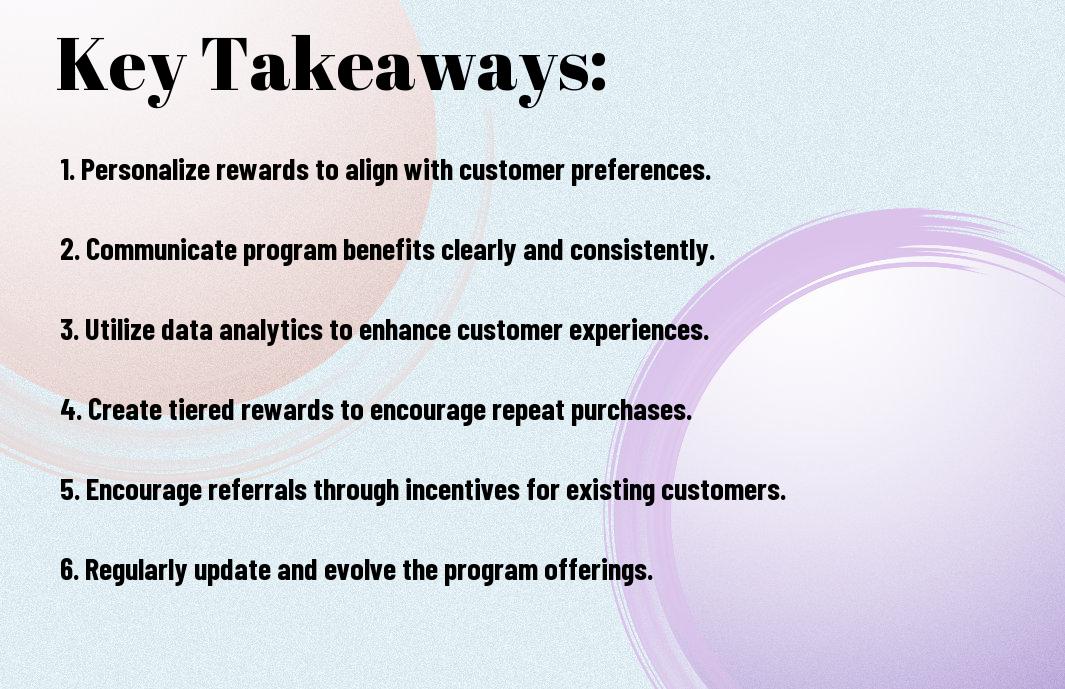
  • Understand Customer Preferences: Tailor your loyalty programs to align with what your customers value most, such as discounts, exclusive offers, or personalized experiences.
  • Create Engaging Rewards: Offer diverse and appealing rewards that encourage repeat purchases, fostering a stronger emotional connection with your brand.
  • Leverage Data Analytics: Use customer data to analyze behaviors and preferences, allowing for the optimization of loyalty programs to maximize revenue and customer satisfaction.

Understanding Customer Loyalty Programs

For businesses aiming to enhance their revenue, understanding customer loyalty programs is vital. These programs are strategic initiatives designed to foster repeat business by incentivizing customers to choose your products or services over competitors. By creating a bond of trust and satisfaction, you not only retain customers but also encourage brand advocacy, ultimately driving growth and profitability.

Definition and Importance

Customer loyalty programs are structured marketing strategies aimed at encouraging repeat purchases. They are important in building long-term relationships with customers. Ultimately, they boost sales and create a more predictable revenue stream.

Types of Customer Loyalty Programs

Among various loyalty programs, you’ll find options that cater to different consumer behaviors and preferences. Here’s a breakdown of common types:

  • Points-based systems
  • Tiered rewards programs
  • Cashback offers
  • Membership clubs
  • Exclusive access rewards

Knowing the right type of loyalty program for your business can significantly affect your customer retention strategy.

Type Description
Points-Based Programs Customers earn points per purchase that can be redeemed.
Tiered Rewards Offers increasing benefits as customers spend more.
Cashback Offers Gives a percentage of purchases back to customers.
Membership Programs Involves a fee for exclusive access to benefits.
Exclusive Events Rewards loyal customers with special events or previews.

Between the various types, each program holds unique benefits and can align with different business models and customer preferences. You might consider how each type addresses the needs of your audience.

  • Targeted marketing campaigns
  • Engagement through social media
  • Special promotions for loyal customers
  • Collaborations with other brands
  • Data collection for better insights

Knowing how to effectively implement these programs can enhance customer loyalty and drive revenue growth.

Strategy Benefit
Personalization Builds strong customer connections.
Feedback Collection Gives insights into customer preferences.
Regular Communication Keeps your brand top-of-mind.
Easy Redemption Encourages participation and usage.
Customer Segmentation Targets different groups effectively.

Understanding the different strategies in these loyalty programs can help you tailor your approach to meet specific customer needs.

Benefits of Implementing Customer Loyalty Programs

Even in a competitive market, customer loyalty programs can significantly enhance your business by fostering long-term relationships with your clients. When you offer rewards and incentives, you create a unique value proposition that encourages customers to return. By integrating these programs into your operations, you not only boost satisfaction but also cultivate a community around your brand, leading to sustained growth and increased revenue.

Increased Revenue

Programs designed to reward loyal customers directly correlate with increased sales. When customers feel appreciated and valued through effective loyalty incentives, they are more likely to spend more, return for repeat purchases, and even refer friends. This increase in customer spending can create a significant impact on your overall revenue, making it a strategic investment for your business.

Enhanced Customer Retention

Alongside increased sales, loyalty programs also play a pivotal role in enhancing customer retention. As you create a sense of belonging and appreciation, your customers are more likely to stick with your brand rather than explore competitors. This not only reduces acquisition costs but also ensures a reliable revenue stream over time.

Loyalty programs help you build a strong rapport with your most engaged customers. By offering exclusive perks, personalized rewards, or early access to products, you create emotional connections that inspire customers to stay loyal. This increases their lifetime value and transforms one-time buyers into brand advocates, enabling you to sustain a competitive edge in your market.

Designing an Effective Loyalty Program

Keep your customers’ preferences at the forefront when designing your loyalty program. An effective loyalty program should resonate with your audience, allowing you to create engaging incentives that encourage repeat business. Consider offering rewards that align with your brand values while also enhancing the overall customer experience, leading to stronger connections and increased revenue.

Identifying Customer Needs

By understanding what your customers truly value, you can tailor your loyalty program to meet their desires. Conduct surveys, analyze purchase behaviors, and actively seek feedback to gain insights into customer expectations. This approach ensures that your program aligns with their needs, ultimately driving higher satisfaction and loyalty.

Structuring Rewards and Incentives

Before you launch your loyalty program, define clear, attainable rewards that motivate your customers to engage more deeply with your brand. Your structure must be easy to understand, encouraging participation without overwhelming your audience. Create a mix of instant rewards and long-term benefits to keep customers consistently interested and invested.

Loyalty programs thrive on thoughtful reward structures that inspire consistent participation. Consider tiered rewards that grow in value with increased spending or engagement, fostering a sense of achievement. Offering personalized incentives based on individual purchase histories or preferences can further enhance the appeal. Ultimately, an engaging rewards system positions your brand as one that truly values its customers, helping to nurture loyalty over time.

Technology and Tools for Loyalty Programs

Despite the traditional methods of customer engagement, leveraging technology is crucial for crafting effective loyalty programs. Incorporating various tools can streamline your operations, enhance customer experience, and ultimately drive revenue growth. From mobile apps to sophisticated customer relationship management systems, the right technology can transform how you interact with your customers and strengthen their loyalty to your brand.

Software Solutions

Beside engaging directly with your audience, implementing the right software solutions is key to managing your loyalty program effectively. Look for platforms that provide user-friendly interfaces, easy integration with your existing systems, and features that allow for tracking and managing customer rewards. These solutions can significantly enhance your efficiency and provide insights that are vital for your program’s success.

Data Analytics for Customization

The power of data analytics can greatly enhance your customer loyalty initiatives. Analyzing customer behavior and preferences allows you to tailor your offerings, making each interaction feel personalized. This customization not only meets customer expectations but also fosters deeper emotional connections, driving higher levels of engagement and retention.

With the right data analytics tools, you can gather insights about your customers’ buying patterns, preferences, and feedback. By utilizing this information, you can personalize your loyalty programs, offering rewards that resonate with individual customers or target specific groups. Personalized experiences help keep your brand at the forefront of customers’ minds, leading to increased loyalty and ultimately higher revenue. The more you understand your audience, the more effectively you can cater to their needs, ensuring long-term loyalty to your brand.

Marketing Your Loyalty Program

Many businesses overlook the importance of marketing their loyalty programs effectively. Promoting your program not only informs customers about the benefits they can receive but also reinforces their commitment to your brand. Utilize various channels like social media, email newsletters, and in-store signage to create buzz around your loyalty offerings and ensure your customers are aware of how they can take advantage of these incentives.

Promotion Strategies

At the outset, it’s important to employ diverse promotion strategies to reach your audience. Consider launching targeted campaigns through social media ads and email blasts, highlighting your loyalty program’s features and benefits. Utilize punchy graphics and compelling calls to action that motivate customers to join and participate, ensuring your messaging is consistent across all platforms.

Engaging Customers

Besides effective promotion, engaging your customers is key to a successful loyalty program. Frequent touchpoints, such as personalized messages and exclusive offers, will keep them interested and invested in your brand. Initiate conversations on social media or through surveys to gather feedback and adapt your strategies based on their preferences.

Another way to enhance customer engagement is by integrating gamification elements into your loyalty program. You can encourage customers to complete challenges or reach milestones, giving them a sense of achievement. Celebrate their progress publicly, and retain their interest by adding new incentives regularly. This way, you not only nurture loyalty but also foster a community around your brand, making customers feel valued and connected.

Measuring Success and Making Adjustments

All businesses must track the effectiveness of their customer loyalty programs. Utilizing data-driven insights allows you to identify areas of success and those needing improvement, ensuring continuous growth in your revenue. By regularly assessing your program, you can adapt it to fit your customers’ evolving needs, leading to improved engagement and satisfaction.

Key Performance Indicators (KPIs)

Success in your loyalty program hinges on tracking specific KPIs that reflect its impact. Metrics such as customer retention rates, average order value, and participation levels help you evaluate its effectiveness. By analyzing these indicators, you can make informed decisions to refine your strategy and optimize your program.

Feedback and Continuous Improvement

After implementing your loyalty program, gathering feedback from your customers is imperative for ongoing success. Actively soliciting their thoughts on the program’s features and benefits will help you identify what resonates with them and what may be lacking, allowing you to adjust accordingly.

In fact, customer feedback serves as a valuable resource for continuous improvement. Engaging with your audience through surveys or direct conversations can unveil insights that may not be apparent through KPI analysis alone. By incorporating their suggestions and addressing concerns, you can enhance your loyalty program, foster greater satisfaction, and ultimately increase your revenue. This approach demonstrates that you value their opinions, strengthening the bond between your brand and customers.

Summing up

With these considerations, you can effectively enhance your revenue by implementing customer loyalty programs that resonate with your audience. By understanding their preferences and creating tailored rewards, you build lasting relationships that drive repeat business. Additionally, utilizing strategies such as personalization and customer engagement will further solidify this loyalty. For deeper insights, explore Next in loyalty: Eight levers to turn customers into fans to unlock more potential in your loyalty initiatives.

Q: What are customer loyalty programs, and how do they contribute to increasing revenue?

A: Customer loyalty programs are marketing strategies designed to reward and encourage repeat business from customers. By offering incentives such as discounts, exclusive offers, or points redeemable for rewards, these programs help to foster a sense of appreciation and connection between businesses and their customers. Increased customer retention leads to higher sales volumes, as loyal customers are more likely to make frequent purchases, promote the brand to others, and spend more over time. Additionally, a well-structured loyalty program can attract new customers who wish to partake in the benefits offered.

Q: How can a business effectively design a customer loyalty program?

A: To design an effective customer loyalty program, businesses should begin by understanding their target audience and preferences. Key steps include defining the program’s goals, selecting appropriate rewards that resonate with customers, and establishing clear criteria for earning rewards. It’s imperative to ensure that the program is easy to join and understand, as complicated structures may deter participation. Additionally, incorporating technology such as mobile apps or digital platforms can enhance user experience and provide data analytics to track participation and adjust the program based on customer feedback and behaviors.

Q: What are some best practices for promoting a customer loyalty program?

A: To effectively promote a customer loyalty program, businesses should leverage multiple marketing channels. This includes utilizing social media platforms, email newsletters, and in-store signage to create awareness. Engaging existing customers through personalized communication that highlights the benefits and rewards of the program can also encourage participation. To drive initial sign-ups, consider offering a limited-time promotion or bonus rewards for early adopters. Furthermore, encouraging current members to share their experiences on social media can help to organically expand the program’s reach, attracting new participants who value community recommendations.

The Basics of Investing in Startup Accelerators and Incubators

You may be wondering how to effectively invest in startup accelerators and incubators, which serve as vital support systems for emerging businesses. Understanding the differences between these two entities can help you make informed decisions about where to put your money. An excellent resource for this is our guide on Startup Incubators vs Startup Accelerators. In this post, you will discover the fundamentals of investing in these innovative platforms and how they can shape your investment strategy.

Key Takeaways:

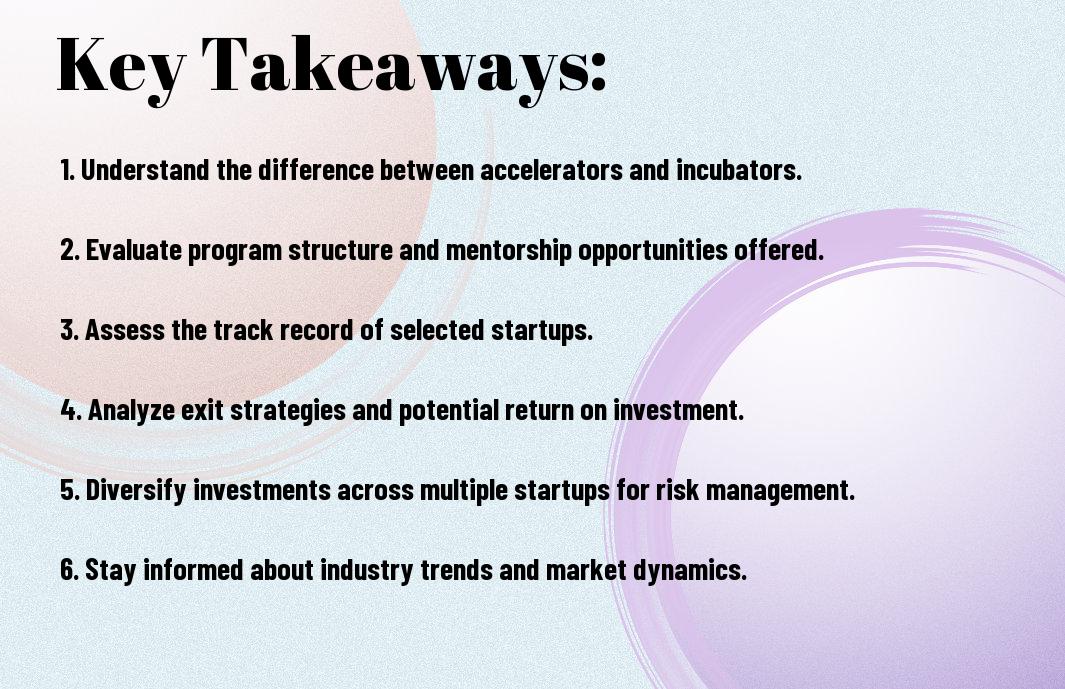
  • Understanding Models: Differentiate between startup accelerators and incubators to identify which aligns with your investment strategy.
  • Due Diligence: Conduct thorough research on the startups in the program to evaluate their potential for growth and success.
  • Network Opportunities: Utilize the access to a network of mentors, investors, and industry experts that these programs often provide.

Understanding Startup Accelerators

The landscape of startup accelerators plays a significant role in nurturing early-stage businesses. These programs provide a structured framework to help startups grow, offering mentorship, resources, and funding in exchange for equity. By providing a supportive environment, accelerators aim to fast-track the development of innovative ideas, equipping founders with the skills and networks necessary for their success.

Definition and Purpose

By definition, startup accelerators are fixed-term programs that support early-stage startups through mentorship and resources. Their primary purpose is to guide entrepreneurs in refining their business models, developing products, and preparing for investment rounds, ultimately facilitating sustainable growth and increased chances of success.

Types of Startup Accelerators

With various forms of accelerator programs available to startups, it’s important to understand these different types to find the best fit for your business. Here are some common types:

Type Description
Seed Accelerators Focus on very early-stage startups and often provide funding and mentorship.
Corporate Accelerators Run by established companies to foster innovation and collaboration.
Social Impact Accelerators Support startups addressing social or environmental challenges.
Industry-Specific Accelerators Target specific sectors like technology, healthcare, or finance.
Virtual Accelerators Offer their programs online, expanding accessibility for entrepreneurs.
  • Knowing your options can help you align your startup with an accelerator that matches your vision.

In fact, understanding the variations within startup accelerators can greatly enhance your chances of finding the right program. Below are further insights into each type:

Type Focus
Seed Accelerators Help startups transition from idea to launch with seed funding.
Corporate Accelerators Foster brand-new solutions that align with corporate objectives.
Social Impact Accelerators Enhance startups dedicated to creating positive change.
Industry-Specific Accelerators Provide specialized guidance based on industry requirements.
Virtual Accelerators Leverage digital platforms for mentorship across geographic barriers.
  • Knowing the landscape of accelerators allows you to make informed decisions for your startup’s future.

The Role of Incubators

Any aspiring entrepreneur or investor should understand the significant contribution of incubators in the startup ecosystem. These organizations provide vital resources, mentorship, and support to early-stage companies, facilitating their growth and development. By nurturing innovative ideas, incubators create a supportive environment that can lead to successful business ventures.

Definition and Purpose

Role of incubators extends beyond just providing space for startups. They serve as a catalyst for innovation, helping entrepreneurs refine their business models, access funding opportunities, and establish crucial networks. This nurturing framework enables new ventures to enhance their chances of success in competitive markets.

Types of Incubators

One way to categorize incubators is by their focus and operational style. Understanding these types will aid you in determining which aligns best with your needs:

Type of Incubator Description
Academic Incubators Linked to universities, providing access to research and skills.
Corporate Incubators Sponsored by large companies aiming to innovate or invest.
Non-profit Incubators Focus on community development and social entrepreneurship.
Private Incubators For-profit entities seeking financial returns on their investments.
Virtual Incubators Offer online resources and support rather than physical space.

In fact, understanding the differences between these incubator types can lead you to make informed decisions about where to seek assistance. Here’s a breakdown of important characteristics:

  • Academic Incubators focus on leveraging research expertise.
  • Corporate Incubators foster synergy between startups and industry giants.
  • Non-profit Incubators prioritize social impact and community service.
  • Private Incubators aim for high growth and financial returns.
  • Virtual Incubators provide flexible, remote access to resources.

After evaluating these options, you can strategically position yourself to maximize the benefits that best suit your entrepreneurial journey.

Differences Between Accelerators and Incubators

Now, understanding the differences between accelerators and incubators is necessary for your investment strategy. Accelerators typically focus on rapid growth, offering a structured program where startups receive mentorship, resources, and sometimes funding in exchange for equity. In contrast, incubators provide a more flexible environment, nurturing ideas without a fixed timeline. For more information about what is a startup accelerator or incubator?, research into their unique characteristics.

Program Length and Structure

Structure varies between accelerators and incubators, with accelerators often running intensive, time-bound programs lasting a few months, while incubators may extend for years as they foster long-term development and scalability of ideas.

Funding and Equity Considerations

One major difference lies in funding and equity. Accelerators typically require startups to give up a percentage of equity in exchange for seed capital and resources, while incubators may provide support without taking equity, allowing you to retain more ownership of your idea.

Another aspect to consider is how funding structures influence your startup’s potential growth. Accelerators often prepare you for investment rounds by connecting you with investors and refining your pitch, whereas incubators focus more on idea validation and business model development without immediate pressure for financing.

Evaluating Investment Opportunities

To evaluate investment opportunities in startup accelerators and incubators, you should focus on understanding the unique aspects of each program. Consider the accelerator’s track record of success, the quality of mentorship provided, and the startup’s potential market fit. Assess how aligned the accelerator’s vision is with your investment goals, as this will greatly influence your overall satisfaction with the opportunity.

Key Metrics to Consider

Before plunging into any investment, analyze key performance indicators such as portfolio company growth, funding amounts raised, and exit strategies employed by the accelerator. These metrics can provide valuable insights into the effectiveness of the program and its ability to generate returns on investment.

Due Diligence Process

Across your evaluation, establishing a comprehensive due diligence process is crucial. This involves investigating the accelerator’s history, its operational structure, and the specific startups it has nurtured. Pay close attention to financial statements, tracking previous investment outcomes, and assessing overall market trends to make informed decisions about your investments.

Even though due diligence may seem daunting, thoroughly investigating the accelerator’s partnerships, success stories, and team expertise will significantly bolster your confidence in the investment. You should also engage with program alumni and current startups to gain firsthand insights into their experiences. By conducting meticulous due diligence, you position yourself to make well-informed investment choices that align with your goals and risk tolerance.

Risks Involved in Investing

Despite the potential for high returns, investing in startup accelerators and incubators carries significant risks. You must understand that many startups fail, leading to a total loss of your investment. Furthermore, the volatility in markets and the uncertain outcomes of these early-stage companies can create a challenging environment for investors. Being aware of these risks is key to making informed decisions.

Market Risks

After launching your investment, the market conditions may fluctuate unpredictably. Economic downturns or shifts in consumer behavior can adversely impact the startups within the accelerator or incubator, affecting their performance and your returns. Staying updated on market trends is necessary for managing these risks effectively.

Operational Risks

Before you invest, it’s important to consider the operational risks associated with startups. These can include management issues, inadequate resources, and failure to execute business plans effectively. Understanding the operational dynamics of a startup can greatly influence its likelihood of success.

Operational risks encompass a range of challenges that startups face, including resource misallocation, internal conflicts, and execution failures. You should analyze the startup’s management team and operational strategy to gauge its potential for success. A lack of adequate planning or oversight can lead to setbacks that significantly impact your investment. Engaging with the startup’s founders and understanding their approach to operational management is vital in assessing the risk involved.

Case Studies of Successful Investments

After analyzing various investments in startup accelerators and incubators, you can see compelling examples of success showcasing significant returns. Here are some notable case studies:

  • Y Combinator: Invested in Airbnb (2009), which is now valued at over $100 billion.
  • Techstars: Mentored SendGrid (2009), acquired by Twilio for $3 billion in 2019.
  • 500 Startups: Supported Credit Karma (2009), acquired by Intuit for $7.1 billion in 2020.
  • Seedcamp: Backed TransferWise (2011), now valued at around $5 billion.

Notable Accelerator Success Stories

Besides the financial numbers, notable accelerator success stories highlight the transformative potential for young businesses. Companies like Dropbox, which was part of Y Combinator, harnessed the mentorship and resources to grow rapidly, achieving a valuation exceeding $10 billion. These examples illustrate how accelerators can be catalysts for unprecedented growth, propelling startups into multifaceted markets.

Impact of Incubators on Business Growth

To assess the impact of incubators on business growth, consider the vast resources they offer, ranging from mentorship to networking. Startups benefit from tailored guidance and access to industry experts, which fosters unparalleled development.

Plus, incubators also provide necessary funding opportunities that are vital during the early stages of a startup. By leveraging the collective experience and resources of seasoned entrepreneurs, these environments cultivate innovative ideas and strategic partnerships. Consequently, startups can navigate market challenges more effectively, leading to enhanced scalability and long-term sustainability in their sectors.

Conclusion

On the whole, investing in startup accelerators and incubators presents a unique opportunity for you to diversify your portfolio and support innovation. By understanding their structure, evaluating potential returns, and actively participating in the ecosystem, you can position yourself to benefit from emerging ventures. As you engage with these programs, keep an eye on trends, network with industry professionals, and continuously educate yourself. With diligence and strategic thinking, you can make informed decisions that align with your investment goals.

Q: What are startup accelerators and incubators?

A: Startup accelerators and incubators are programs designed to support early-stage companies, but they serve slightly different purposes. Accelerators provide a structured, time-limited program (often lasting 3 to 6 months) that includes mentorship, resources, and sometimes capital to help startups quickly develop their business models and products. In contrast, incubators typically offer a more open-ended environment, focusing on fostering innovation and development without a set timeline. They may provide office space, funding, and networking opportunities but often with a less intensive program structure.

Q: How can investors benefit from participating in startup accelerators or incubators?

A: Investors can gain numerous advantages by participating in startup accelerators or incubators. Firstly, these programs provide access to a diverse portfolio of startups, allowing for potential investment opportunities at early stages. Moreover, investors can engage with emerging entrepreneurs, helping them refine their business models, which increases the likelihood of successful outcomes. Additionally, by establishing relationships with other investors and industry mentors within the accelerator or incubator, they can further expand their networks and insights into market trends.

Q: What should investors consider before investing in a startup accelerator or incubator?

A: Before investing, it is crucial for investors to evaluate several factors including the accelerator’s or incubator’s track record, management team, and support network. Understanding their investment model, including equity stakes, revenue share, and mentorship programs, is also important. Furthermore, investors should assess the quality and stage of the startups within the program, as well as the industry focus if applicable. This comprehensive evaluation helps to ensure that the investment aligns with their financial goals and risk appetite.

What are the most popular market trading tools available for individual traders

Trading in the stock market can be daunting for individual investors like yourself, but fear not, as a plethora of trading tools exist to simplify the process. From charting platforms like TradingView to algorithmic trading tools such as MetaTrader, there are options for traders of all experience levels. Your trading journey can be enhanced with these popular tools designed to help you analyze market trends, execute trades efficiently, and ultimately increase your chances of success in the complex world of trading.

Key Takeaways:

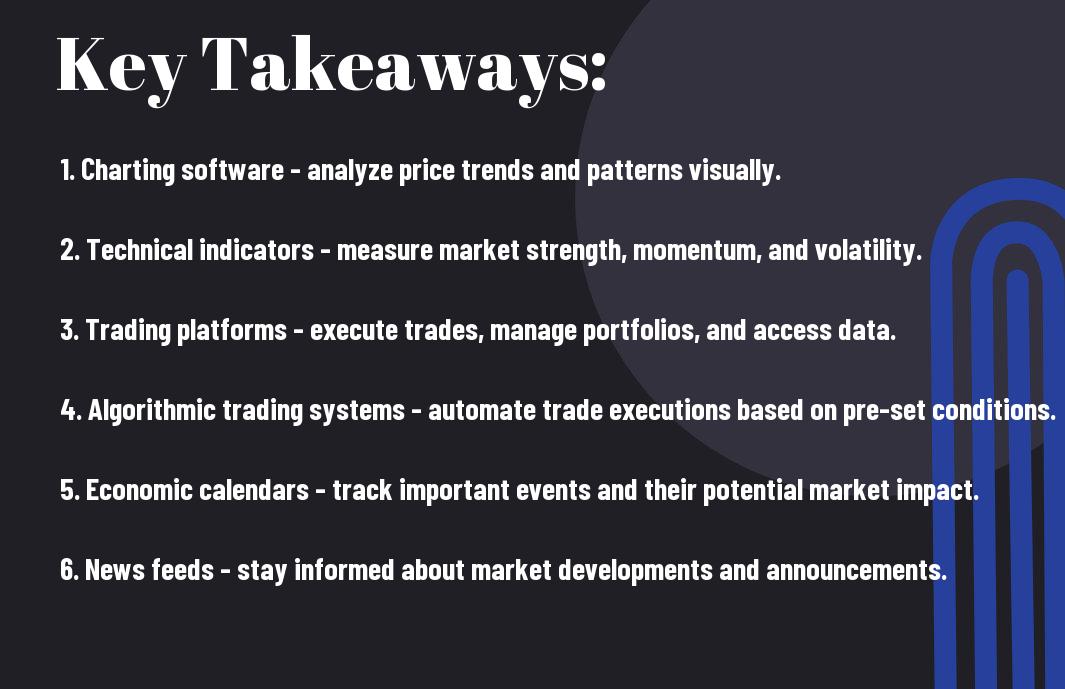
  • Charting Software: Charting tools like TradingView and MetaTrader are popular among individual traders for analyzing price movements and identifying trading opportunities.
  • Screeners and Scanners: Tools such as Finviz and StockFetcher help traders filter stocks based on certain criteria like volume, price, and technical indicators.
  • Algorithmic Trading Platforms: Platforms like Thinkorswim and NinjaTrader offer features for automated trading and backtesting trading strategies, appealing to traders looking for more advanced tools.

Types of Market Trading Tools

While trading in the markets, it’s important to have the right tools at your disposal to make informed decisions. There are various types of market trading tools available for individual traders to utilize. These tools can help you analyze market trends, track stock movements, and make well-informed trading decisions.

  • Technical Analysis Tools
  • Fundamental Analysis Tools
  • Trading Platforms
  • Financial News Sources
  • Charting Software

After familiarizing yourself with the different types of market trading tools, you can choose the ones that best suit your trading style and preferences.

Technical Analysis Tools

One of the crucial types of market trading tools is technical analysis tools. These tools help you analyze historical price data, identify patterns, and make predictions about future price movements. Common technical analysis tools include moving averages, MACD (Moving Average Convergence Divergence), RSI (Relative Strength Index), and Fibonacci retracement levels.

Technical Analysis Tools Function
Moving Averages Smooth out price data to identify trends
MACD Indicates the relationship between two moving averages
RSI Measures the momentum of price movements
Fibonacci Retracement Levels Identifies potential support and resistance levels

Fundamental Analysis Tools

The other crucial type of market trading tools is fundamental analysis tools. These tools help you evaluate a company’s financial health, growth potential, and overall value. Fundamental analysis tools include financial statements, earnings reports, economic indicators, and industry trends. By analyzing these factors, you can make more informed investment decisions based on the underlying strength of a company.

A fundamental analysis tool like financial statements can provide you with valuable information about a company’s profitability, revenue, and expenses. By examining these financial metrics, you can assess the financial stability and performance of a company, helping you make better investment choices.

Charting and Visualization Tools

Even in today’s digital age, charting and visualization tools remain necessary for individual traders looking to analyze market trends and make informed trading decisions. These tools help you visualize historical price data and identify patterns that can assist you in predicting future market movements.

Candlestick Charts

With candlestick charts, you can easily track the open, high, low, and closing prices of a security over a specific time period. Each candlestick provides you with valuable information about the market sentiment and can help you determine potential entry and exit points for your trades.

Line Charts

With line charts, you can see the general price movements of a security over time. These charts connect the closing prices of each period with a line, offering a clear and straightforward visualization of trends. While line charts may not provide as much detail as candlestick or bar charts, they are great for gaining a quick overview of how a stock is performing.

The simplicity of line charts makes them ideal for beginner traders who are just starting to analyze market data. They can help you develop a basic understanding of how prices are moving and provide a solid foundation for more advanced charting techniques.

Bar Charts

Charts with bar formations display the open, high, low, and close prices of a security for a specific period. Each bar represents this price information, making it easy for you to assess price movements and volatility. Bar charts can be particularly useful in identifying potential trend reversals and market turning points.

Another benefit of bar charts is their ability to show price action more clearly than line charts. By analyzing the length and position of the bars, you can gain insights into market strength and potential price direction. This information can be valuable when making trading decisions in volatile market conditions.

Market Data and News Feeds

Despite the myriad of trading tools available to individual traders, having access to up-to-date market data and news feeds is crucial for making informed decisions in the fast-paced world of trading. You can access real-time market data and news feeds through various online brokers. Forbes provides a list of the 6 Best Online Brokers For Day Trading Of June 2024 that offer top-notch market data and news services.

Real-time Market Data

To stay on top of market trends, real-time market data is important. It allows you to track price movements, volume fluctuations, and other key indicators that can influence your trading decisions. With access to real-time market data, you can react quickly to market changes and seize profitable opportunities.

News Aggregators

News aggregators compile news articles and updates from various sources into one platform, allowing you to stay informed about market-moving events and developments. By utilizing news aggregators, you can access a wealth of information and analysis that can help you anticipate market movements and make informed trading decisions based on current events.

Data from news feeds can provide valuable insights into how news events impact different asset classes and industries. By staying informed about the latest news through news aggregators, you can gain a competitive edge in the markets and adjust your trading strategies accordingly.

Economic Calendars

Market volatility often spikes around economic releases, making economic calendars a valuable tool for traders. Economic calendars list upcoming economic indicators and events, such as employment reports and GDP releases, along with their expected impact on the markets. By consulting an economic calendar, you can plan your trading around major economic events and manage risk more effectively.

The ability to anticipate market reactions to economic data can help you make more informed trading decisions and avoid unexpected volatility. By incorporating economic calendars into your trading routine, you can stay ahead of market developments and adjust your strategy based on upcoming events.

Automated Trading Tools

Algorithmic Trading Platforms

Not all traders have the time or expertise to constantly monitor the markets and execute trades. This is where algorithmic trading platforms come in handy. These tools use pre-set parameters to automatically place trades on your behalf based on market conditions, trading signals, and strategies.

One popular algorithmic trading platform is MetaTrader, which allows you to create customized trading algorithms using MQL programming language. These platforms can help you execute trades faster and more efficiently, taking emotion out of the equation.

Expert Advisors

Any trader looking to automate their trading strategies should consider using Expert Advisors (EAs). EAs are programs that run on trading platforms like MetaTrader and can analyze the markets, generate signals, and execute trades automatically based on your set criteria.

A well-designed EA can help you take advantage of trading opportunities 24/7, without the need for constant monitoring. You can also backtest EAs using historical data to see how they would have performed in the past.

Trading Bots

Algorithmic trading bots are automated software programs that interact directly with exchanges to place trades on your behalf. These bots can be programmed to execute trades based on specific parameters, such as price movements, volume, and technical indicators.

Trading bots can be especially useful for executing high-frequency trades or for trading in multiple markets simultaneously. However, it’s vital to choose a reputable bot and keep a close eye on its performance to ensure it aligns with your trading objectives.

Risk Management and Analysis Tools

Many market trading tools cater to individual traders by providing risk management and analysis features. These tools help you make informed decisions and manage your trading risks effectively.

Position Sizing Calculators

With position sizing calculators, you can determine the ideal position size for your trades based on your risk tolerance and trading strategy. By inputting variables such as your account size, risk percentage per trade, and stop-loss level, these calculators help you avoid overleveraging and potential losses.

Risk-Reward Ratio Analyzers

To enhance your risk management strategy, utilizing risk-reward ratio analyzers is necessary. These tools allow you to assess the potential risk and reward of each trade before entering the market. By calculating the ratio between your potential profit and potential loss, you can make data-driven decisions and improve the overall risk-reward balance in your trading.

Another valuable tool in your trading arsenal is portfolio optimization tools. These tools help you diversify your investments effectively, reducing overall risk and maximizing returns. By analyzing correlation, volatility, and historical performance data, portfolio optimization tools aid in creating a well-balanced and resilient investment portfolio.

Portfolio Optimization Tools

For successful trading and long-term investment growth, utilizing portfolio optimization tools is crucial. These tools help you identify the optimal asset allocation based on your risk preferences and return objectives. By considering various factors such as asset correlation and historical returns, you can construct a diversified portfolio that aligns with your financial goals.

Trading Platforms and Brokers

Once again, when it comes to market trading, having access to the right tools is crucial for your success. Trading platforms and brokers play a significant role in enabling individual traders to execute trades efficiently and effectively. These tools provide you with the necessary interface to access the financial markets and make informed decisions about your investments.

Online Trading Platforms

Any serious trader knows the importance of a reliable online trading platform. These platforms offer a wide range of features such as real-time market data, advanced charting tools, and order execution capabilities. They allow you to trade various financial instruments, monitor your portfolio, and analyze market trends from the comfort of your own home.

Mobile Trading Apps

Trading on the go has never been easier with the availability of mobile trading apps. These apps allow you to access your trading account from your smartphone or tablet, enabling you to monitor your positions, place trades, and stay updated on market news no matter where you are. They provide you with flexibility and convenience, ensuring that you never miss out on trading opportunities.

Online trading platforms have revolutionized the way individual traders participate in the financial markets. With just a few clicks, you can access a world of trading possibilities and take control of your investments like never before.

Brokerage Firms

Brokerage firms serve as the intermediary between you and the financial markets, facilitating your trades and providing you with access to various investment products. They offer a range of services, including trade execution, research and analysis tools, and customer support to assist you in your trading endeavors. Choosing the right brokerage firm is vital to ensure a seamless trading experience and maximize your potential returns.

For instance, some brokerage firms specialize in certain markets or investment products, so it’s important to select one that aligns with your trading preferences and goals. By partnering with a reputable brokerage firm, you can benefit from their expertise and resources to enhance your trading performance and achieve your financial objectives.

Summing up

Presently, you have learned about some of the most popular market trading tools available for individual traders. By utilizing tools such as technical analysis software, economic calendars, news sources, and social trading platforms, you can enhance your decision-making process and potentially increase your chances of success in the market. Remember to research and test each tool to find the best fit for your trading style and goals.

FAQ

Q: What are the most popular market trading tools available for individual traders?

A: The most popular market trading tools for individual traders include:

  • 1. Stock Screeners: Tools that help traders filter and find stocks based on specific criteria such as price, market capitalization, volume, etc.
  • 2. Technical Analysis Tools: Software that provides charts, indicators, and drawing tools to help traders analyze price movements and make informed decisions.
  • 3. Trading Platforms: Online platforms that allow traders to buy and sell financial instruments, access real-time data, and manage their portfolios.
  • 4. News and Research Tools: Services that provide market news, analysis, and research reports to help traders stay informed about the latest developments.

Q: How can stock screeners help individual traders in their trading activities?

A: Stock screeners are vital market trading tools for individual traders as they enable traders to:

  • 1. Identify Opportunities: Screeners help traders find stocks that meet specific criteria or parameters set by the trader, allowing them to discover potential trading opportunities.
  • 2. Save Time: Instead of manually searching for stocks, screeners automate the process, saving traders time and effort.
  • 3. Make Informed Decisions: By using screeners to filter stocks based on fundamental or technical factors, traders can make more informed trading decisions.

Q: What features should individual traders look for in a trading platform?

A: When dicking out a trading platform, individual traders should consider the following features:

  • 1. User-Friendly Interface: A platform that is easy to navigate and use, especially for beginners.
  • 2. Real-time Data: Access to up-to-date market data, news, and charts for informed decision-making.
  • 3. Order Types: The ability to place different types of orders such as market orders, limit orders, and stop orders.
  • 4. Portfolio Management Tools: Features that help traders track and manage their investments and performance.
  • 5. Customer Support: Responsive customer service and technical support to address any issues or questions.
Skip to content